Optimizing Retail Layouts with Modern Commercial Display and Storage Systems
According to FortisRack, the company's newly released 2026 Supermarket Fixtures Guide for global buyers zeroes in on three pillars every floor manager needs on the table right now: heavy-duty racking…
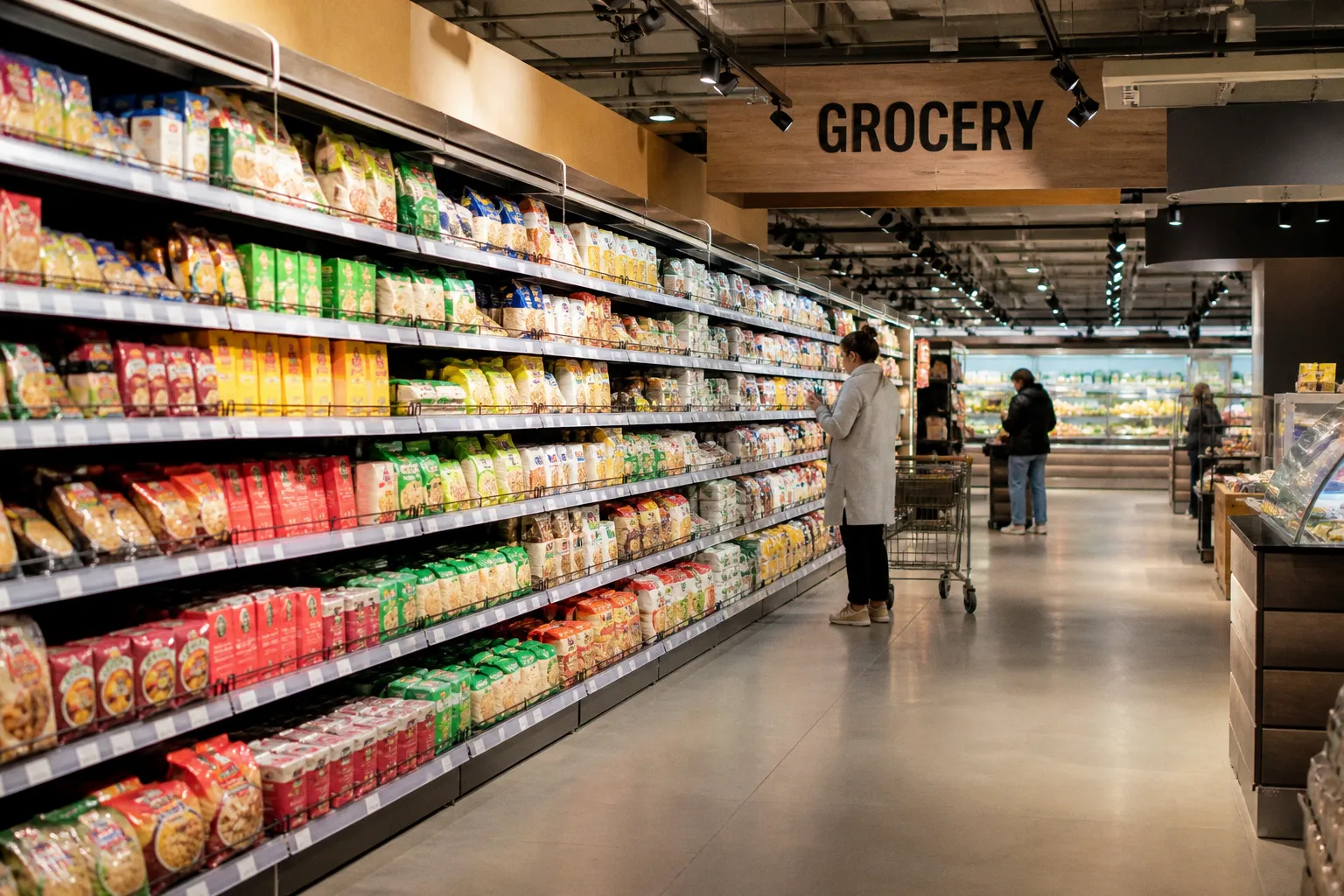
According to FortisRack, the company's newly released 2026 Supermarket Fixtures Guide for global buyers zeroes in on three pillars every floor manager needs on the table right now: heavy-duty racking systems, store display stands, and customizable shelving solutions that flex with seasonal resets. We talk a lot about dead zones and sightline trouble on these pages, so when a manufacturer puts pen to paper on what "good" actually looks like across categories, we pay attention. This guide lands at a moment when buyers are juggling tighter footprints, hungrier SKU counts, and shopper expectations that keep climbing — and the stakes for getting fixture spec right have never been higher.
What the guide actually puts on the table
FortisRack's guide, published this month, frames fixtures not as a commodity purchase but as the backbone of conversion. Walk your produce endcap with me: the right angled shelving can add a full row of facings without eating into aisle width, and the guide walks through how heavy-duty racking keeps heavier categories — bottled beverages, bagged pet food, the soft-drink stack — stable under constant restocking. If you're speccing gondola runs for a 12,000-square-foot box, those load ratings matter more than the brochure gloss suggests. We've walked too many openings where a shelf deflected under a summer promo and the whole run had to be pulled mid-afternoon.
The guide also leans into customizable shelving solutions, and this is where the merchandising math gets interesting. Planograms go "final" three weeks before the doors swing open and then get re-engineered on day nine — that's the rhythm of any real store. Modular bays, adjustable shelf heights, and quick-swap brackets aren't nice-to-haves; they're how you keep labor costs from ballooning every time the category manager pivots. The faster your team can reset an aisle without power tools, the more SKUs you can test per quarter, and the cleaner your dwell-time data reads at the back end.
Where this connects to the wider 2026 signal
This isn't happening in a vacuum, and you'll want to read FortisRack's guide alongside Future Space Rack's 2026 trends report, published within days of each other. Both point the same direction: modularity, smart-shelf integration, and sustainable materials are reshaping how shelves get specced at the buying desk. The overlap tells us where the supplier conversation is heading — fixtures engineered to carry sensors, accept recycled-metal components, and reconfigure between grocery and general merchandise without a forklift crew showing up.
If you're writing next year's capex request, take the cue: spec flexibility first, finish second. The retailers who treat their racking like adaptable infrastructure — not a one-and-done install — will protect sightlines, SKU density, and conversion when the next category shift hits. The ones who locked in fixed-position shelving in 2024 are already feeling the cost of that decision in 2026, and they're the first call we get when a buyer wants to know what to change before the next refresh cycle.