Scaling Your Retail Inventory: Why Small Businesses Are Moving to Off-Site Storage
According to US Storage Units, a nationwide storage directory cited by citybuzz, more small businesses are moving inventory, equipment, and documents into off-site storage as e-commerce expands.
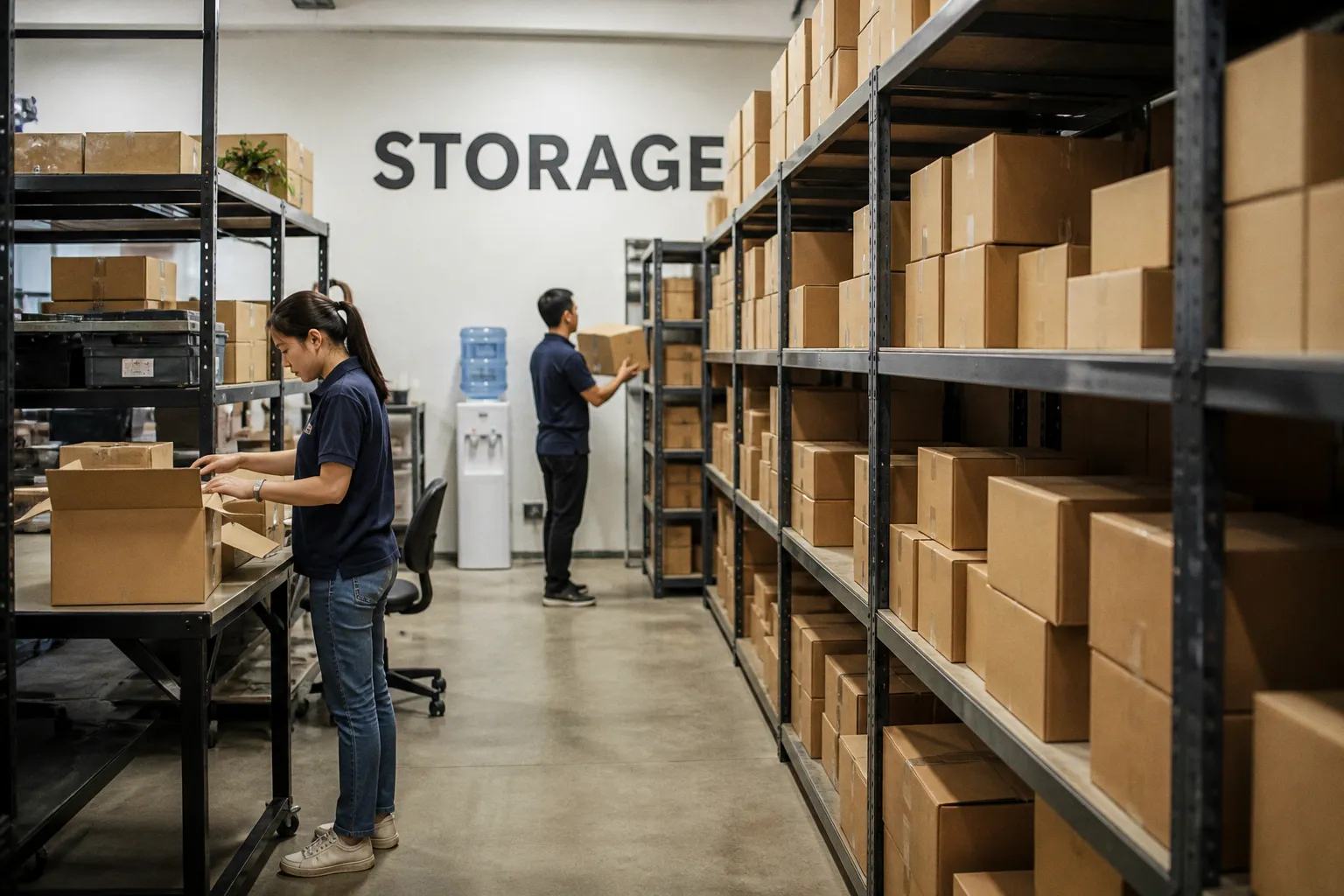
The shift matters for retailers and online sellers because the first bottleneck is often not demand—it is clearance: boxes taking over offices, homes, and packing areas long before a larger warehouse makes financial sense. I have seen enough “flexible” storage plans to know that the unit is only half the decision; access, shelving, and usable footprint determine whether the arrangement helps or simply relocates the mess.
The storage problem is becoming operational
US Storage Units reports growing demand from business owners looking for additional space without the overhead of a larger office or warehouse. Its explanation points to several pressures: e-commerce inventory exceeding available home or office space, remote and hybrid work reducing the need for large commercial offices, seasonal stock swings, and the need to store business records, client files, equipment, and point-of-sale displays between uses.
That makes off-site storage a practical overflow layer for several business types:
- e-commerce sellers and retailers holding inventory;
- contractors and service providers storing equipment;
- businesses archiving records and tax paperwork;
- companies managing office transitions;
- retailers keeping displays and point-of-sale equipment out of the active workspace.
The appeal is obvious. A business can use storage on a month-to-month basis and scale its footprint as needs change. The less obvious issue is handling friction. If staff must dig through stacked cartons every time an order is dispatched, the cheap square footage is not cheap operationally. It is just a remote cupboard with a monthly invoice.
For garment sellers, the distinction is especially important. Clothing inventory needs a clear route from receiving to shelving, picking, packing, and dispatch. The evidence does not establish a universal rack configuration, but it does identify a 5×15 unit as a size that can accommodate shelving and boxes. That is a useful starting point—not a guarantee that every rack, aisle, or garment rail will fit comfortably.
Footprint is not the same as usable capacity
US Storage Units lists several common size categories. A 5×5 unit is positioned for business records and small equipment. A 5×10 unit is described as suitable for inventory pallets or seasonal stock. A 5×15 unit offers room for shelving and boxes, while a 10×10 unit is intended for substantial inventory or multiple pieces of equipment. Larger units, up to 10×30, are described as suitable for bulk inventory and long-term archives.
These dimensions give businesses a route through the decision, but they do not remove the physical constraints. A unit may have enough floor area on paper and still fail once shelving consumes the perimeter, cartons need to be opened, or staff require a clear path to the back wall. Verticality can improve capacity, but only if the storage system is accessible and the unit allows it. Otherwise, every extra layer becomes another small act of warehouse archaeology.
Access is another variable. The directory identifies climate-controlled units as relevant for sensitive items such as documents and electronics, while 24-hour access may suit businesses with irregular schedules. Those features should be matched to the stock rather than treated as premium decorations. A retailer storing electronics has a different requirement from one holding empty display fixtures. A business storing vehicles also needs a dedicated car-storage option, according to the source.
The practical question is not simply, “What size unit can I afford?” It is, “What must enter, leave, and remain reachable?” That means measuring the storage footprint of shelving, allowing clearance for picking, and separating fast-moving stock from archive material. The source material supports comparing facilities by amenities and reserving units nearby; it does not support assuming that proximity or a larger unit automatically solves workflow problems.
Reality check before signing
For businesses considering off-site storage, I would check the following before committing:
- Measure the working footprint, not just the carton volume. Include shelving, boxes, garment rails if needed, and a route to the rear of the unit.
- Match the unit to the stock pattern. The cited guidance places 5×5, 5×10, 5×15, 10×10, and larger 10×30 units in different use cases; seasonal overflow and daily-pick inventory should not be treated as identical loads.
- Confirm access requirements. Twenty-four-hour access may matter more than a marginal difference in floor area if dispatch happens outside standard hours.
- Identify sensitive items. Climate control is specifically relevant to documents and electronics.
- Separate overflow from active inventory. Archive records, spare displays, and daily-sale garments create very different clearance demands.
- Check whether the arrangement can scale. Month-to-month flexibility is useful, but only if changing units will not disrupt picking, records access, or stock control.
Off-site storage can relieve pressure created by e-commerce growth and smaller commercial footprints. But the unit is not the system. Without clearance, access, and a sensible vertical layout, it is merely a larger box—one that happens to be farther away.