Optimizing Retail Floor Layouts Using August Market Intelligence
Trend Hunter's monthly index is essentially a heat map of what consumers are gravitating toward across categories — and every trend on that list eventually lands on your fixtures.
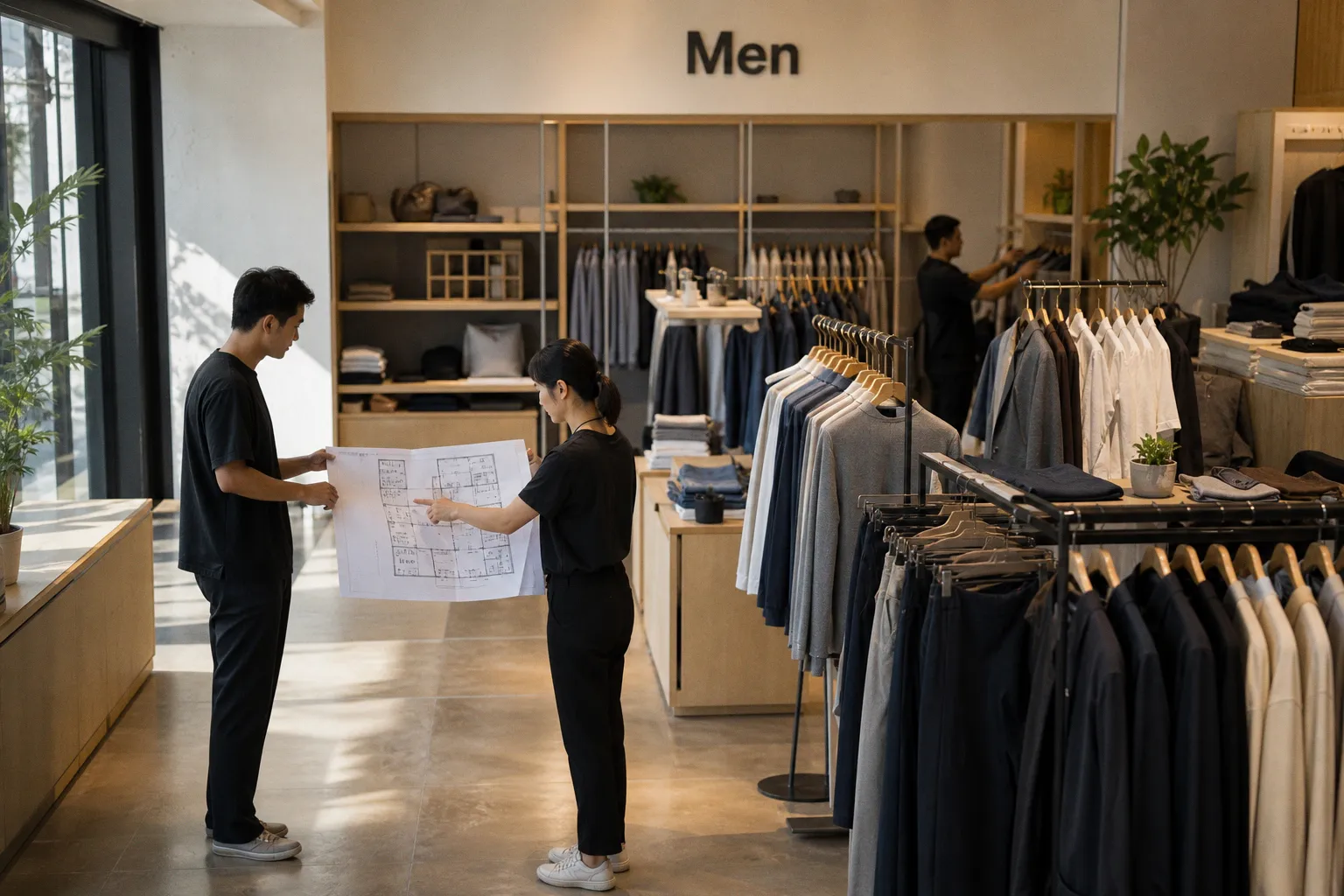
We're deep into August, and the signal is clear: Trend Hunter has published its Top 100 Retail Trends roundup for the month, joined by fresh market intelligence from Newmark's Q2 2026 U.S. Retail Market Conditions report and a forward-looking forecast from Market Growth Reports sizing up food and grocery retail through 2035. If you manage floor layouts, garment racks, or endcap programs, these snapshots are your early-warning system — they tell you which shopper behaviors are accelerating so you can adjust planograms and display configurations before the back-to-school and early-fall reset windows close.
What the Trend Pulse Means for Your Floor Plan
When a cluster of reports lands in the same week from sources like Trend Hunter, Newmark, and Market Growth Reports, it usually signals a convergence: macroeconomic conditions shifting retail foot traffic patterns while long-term category forecasts get revised. For anyone managing SKU density on gondola shelving or deciding how many linear feet of garment storage to allocate to a new brand, the practical move right now is to audit your sightlines. Walk your store with fresh eyes: are the products riding the trends actually visible within the first three seconds of a shopper entering the aisle, or are they buried in a dead zone behind a promo stack?
Grocery Focus and Display Priorities
The food-and-grocery forecast reaching out to 2035, alongside Kalkine Media's note on Metro Inc.'s upcoming grocery update, underscores a point we hammer constantly: grocery retail is not slowing down, and neither can the infrastructure that supports it. If your store blends grocery with general merchandise, your refrigerated display cases, wire basket endcaps, and impulse-purchase racks near checkout need to flex with category growth. Dwell time in grocery aisles is already among the longest in any retail environment — use that. Position high-margin, trend-aligned SKUs at eye level on adjustable shelving where the shopper naturally pauses. If your current garment storage area sits adjacent to food, consider whether a strategic repositioning of soft-goods fixtures could capture cross-category browsing without creating aisle congestion.
Your August Action Checklist
Before the month closes, run a three-point layout check. First, pull the Trend Hunter list and flag any trend that maps to products you already carry — then verify those items have prime facing on your best-performing display racks. Second, cross-reference Newmark's Q2 market read against your own foot-traffic data: if vacancy rates or lease trends are shifting in your trade area, your visual merchandising has to compensate for any change in store traffic flow. Third, review your garment storage zones for seasonal readiness — fall inventory is inbound, and every day a rack sits with stale summer markdowns is a day you lose conversion on fresh arrivals. Keep your planograms living documents, not once-a-quarter rituals. The trend reports tell you where the market is headed; your fixtures decide whether you catch the wave or watch it pass from a poorly placed endcap.