How AI-Driven Retail Fixtures Are Transforming Store Merchandising
According to Sintop Fixtures, which has spent over two decades manufacturing custom retail displays for international brands, 2026 marks the year traditional product holders finally become…
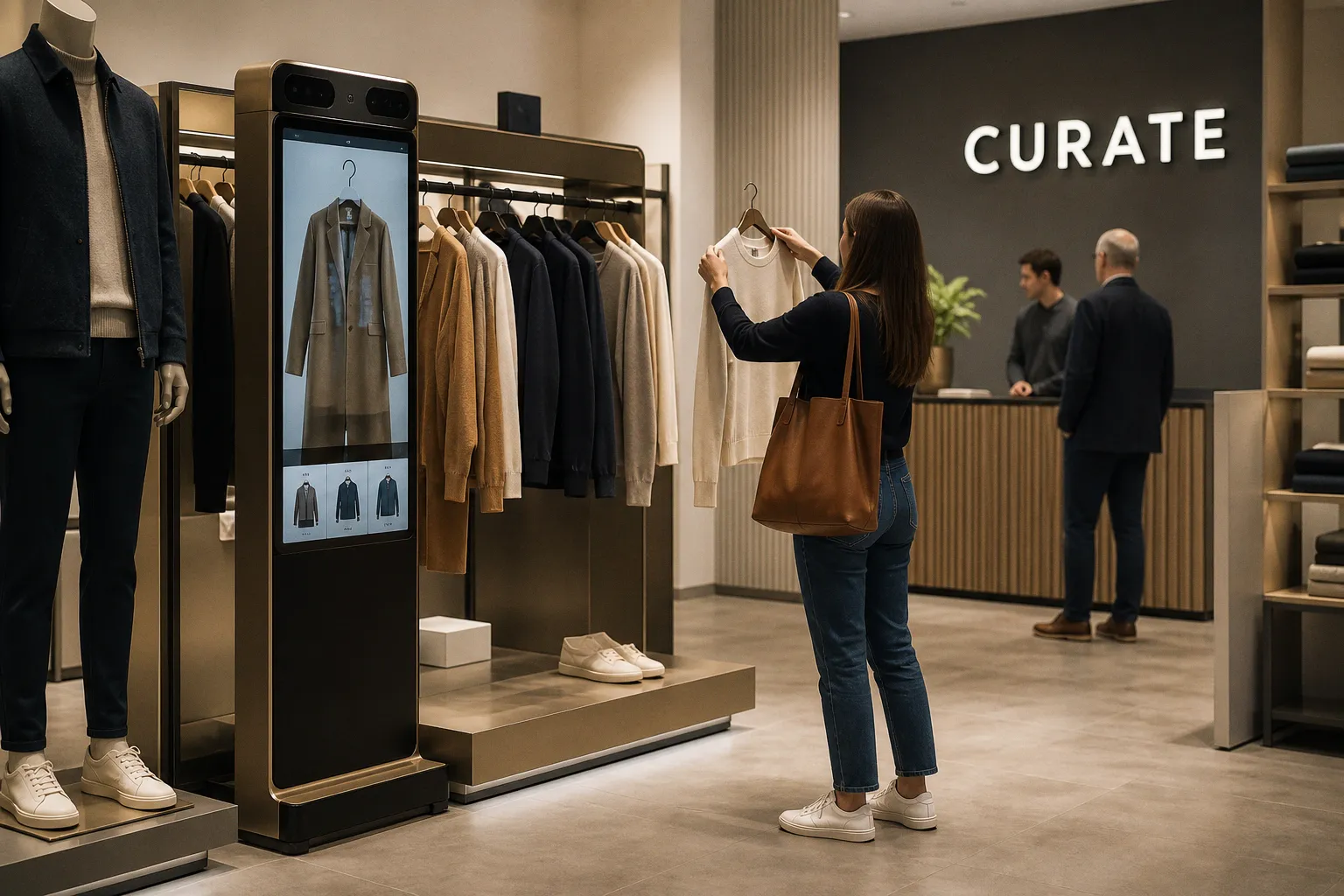
You know that endcap you spent two weeks planning — the one with the beautiful color story and the premium price point — and watched customers walk right past it like it was invisible? That blind spot is exactly what AI-powered display fixtures are designed to eliminate. According to Sintop Fixtures, which has spent over two decades manufacturing custom retail displays for international brands, 2026 marks the year traditional product holders finally become data-driven sales tools that read customer behavior in real time and feed inventory decisions on the fly. For anyone managing planograms, floor resets, or fixture procurement, this shift changes the conversation from "where does it look good" to "where does it sell."
From Static Shelf to Sensor-Led Decision Point
The core transformation is straightforward: modern custom display racks are now designed with technology integration built into the structure — sensors, digital screens, and connected software that turn an ordinary fixture into an active retail tool. A beauty aisle can use smart mirrors to recommend products based on skin tone; a sports retailer can suggest related equipment when a customer lingers near a specific SKU; a grocery gondola can highlight promotions based on local shopping habits. The fixture is no longer just holding inventory — it is gathering dwell-time data, tracking sightlines, and generating automated placement recommendations. Smart merchandising systems combine store-level data with customer analysis so that a supermarket can identify which shelf position drives stronger conversion, and a fashion retailer can measure which display rack earns the longest attention span.
Why Guessing Costs More Than Sensors
We have all been there: you invest heavily in an attractive display build-out, ship it to fifty locations, and discover six months later that half those units sit in dead zones with negligible foot traffic. The math on that mistake hurts. Sintop Fixtures notes that AI applications are expanding rapidly because retailers are searching for better customer understanding and operational improvement — not just prettier fixtures. The practical upside is real: if your rack-mounted sensors tell you that shoppers pause 40% longer when the mid-tier price point sits at eye level rather than the premium tier, that single data point reshapes your entire planogram strategy across every store. IBM Retail Technology Research is cited as supporting AI adoption for forecasting and operational efficiency, while McKinsey's AI research highlights how companies are using these tools to close the gap between what customers want and what the floor actually shows them.
What to Check Before Your Next Fixture Order
If you are spec'ing new displays for 2027 rollouts, start asking your fixture vendor three questions now. First, are the racks sensor-ready — can they accept integrated readers, cameras, or NFC modules without a full retrofit? Second, does the vendor offer a software layer that translates shelf data into actionable SKU-density recommendations, or are you buying raw hardware and bolting on analytics yourself? Third, what is the retrofit path for your existing installed base — can current fixtures accept clip-on sensors, or does the upgrade require new uprights and brackets? Technology should support strong design and quality manufacturing, not replace it, so the goal is a fixture that earns its footprint both visually and analytically. Track your dwell-time-to-conversion ratio per display zone before and after any sensor deployment; that single KPI will tell you whether the investment is paying back at shelf level or just generating dashboards nobody opens.