Leveraging High Gondola Shelving to Boost Retail Floor Capacity
Shop Solutions Midlands just dropped a practical guide on high gondola shelving, and it reads like a love letter to every retailer cramming SKUs into waist-high fixtures and wondering why turnover has gone flat.
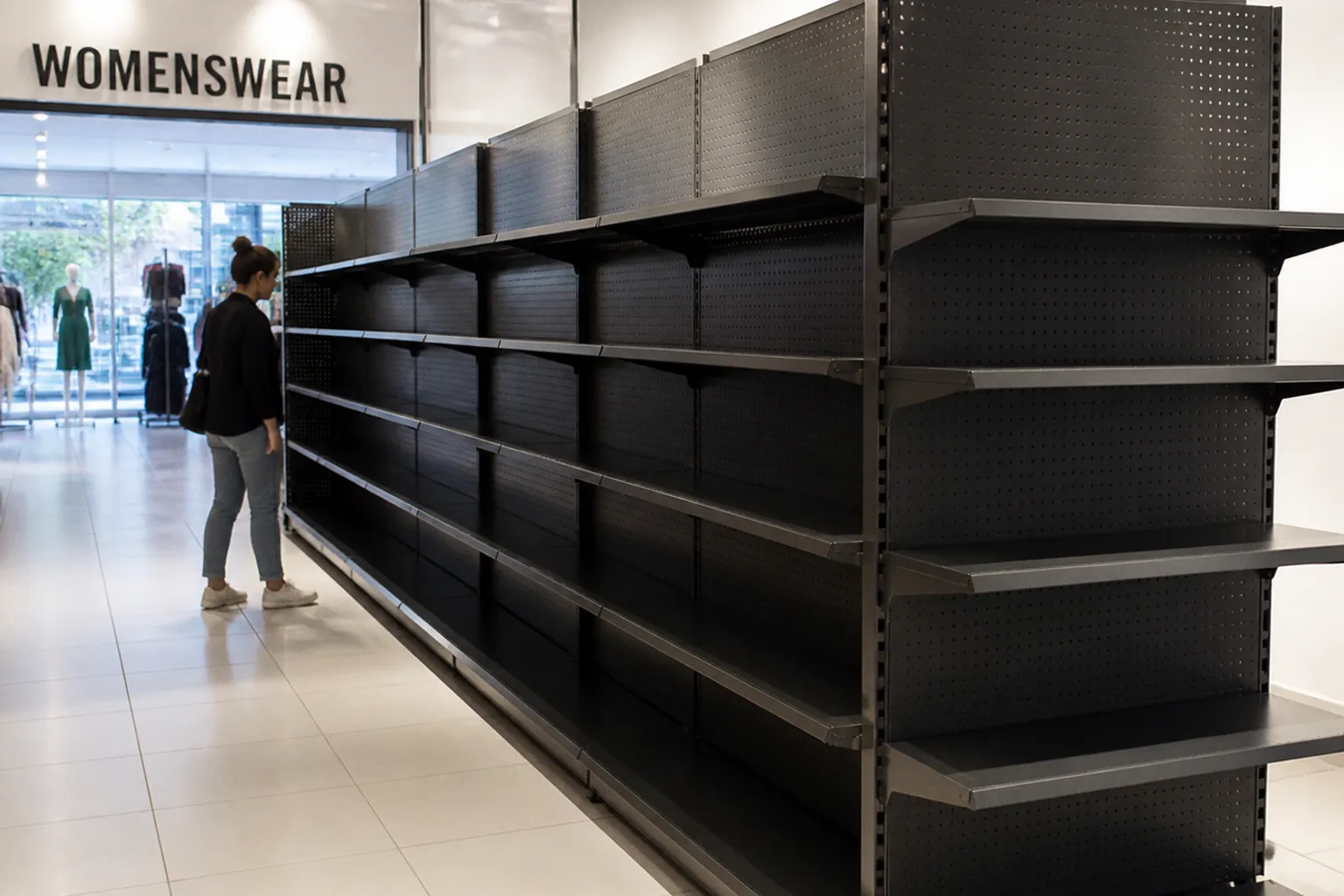
Floor managers, listen up — that back wall is bleeding margin. Shop Solutions Midlands just dropped a practical guide on high gondola shelving, and it reads like a love letter to every retailer cramming SKUs into waist-high fixtures and wondering why turnover has gone flat. The core idea is straightforward: taller freestanding steel units, ranging from 1.8m to 2.4m, let you expand upward instead of outward, which matters enormously when you're paying premium rent per square metre and your aisles already feel like sardine cans.
Why height changes the math on a crowded shop floor
Most convenience stores and small supermarkets I walk with owners are sitting on floor-to-ceiling clearance they're barely using. High gondolas — steel uprights with adjustable shelf heights, base decks built for heavy loads, and flexible end panels — turn that wasted vertical air into sellable space. If you're running canned goods, bottled water, paint tins, or tools, the load-bearing steel frame handles bulk and multipacks without the constant restocking shuffle. And here's the merchandising trick most people miss: taller shelving creates longer sightlines down the aisle, so customers see more categories at once and actually browse instead of hunting and grabbing. Planogram flexibility goes through the roof when your uprights adjust in height rather than getting locked into fixed bays.
We push double-sided runs into the centre of the store for high-traffic categories — they form natural aisles and double your product exposure per square metre. Single-sided bays belong on perimeter walls where stock only needs to face one direction. Mix them up and you'll kill flow, create dead zones, and watch dwell time crater near the entrance.
Accessories, data, and the bay that earns its keep
Here's where it gets interesting for anyone thinking beyond raw steel. Pegboard and slatwall inserts let you hang small or irregular items on the same gondola, so one bay flexes across categories without a full rebuild. EPOS strips keep pricing uniform across every shelf, which protects margin and kills the "is this on promotion?" hesitation at the till. Endcap configurations become your highest-margin real estate when you tie them into the gondola run with the same accessory logic.
And while we're talking about smarter gondola planning — Sintop Fixtures recently published a piece on AI-driven visual merchandising that pairs nicely with this conversation. The point isn't robots replacing your eye for layout; it's using movement data and attention patterns to confirm what you already suspect. If customers consistently skip the middle shelf on a particular gondola run, the data tells you to drop SKU density there or swap the product. You don't need enterprise AI to apply this — even a simple eye-tracking exercise with your team during a slow hour reveals where attention actually lands. Large groups like Walmart are pouring investment into this layer, and smaller retailers can borrow the principle without the enterprise budget.
What to check before you order
Before you commit to a high gondola installation, measure three things: floor-to-ceiling height, aisle width, and the heaviest stock weight per bay. Skip any of those and you'll be reordering or shimming within a month. A solid high gondola should handle the weight of your densest category — canned goods, water multipacks, paint tins, tool cases — without flexing. Fire safety clearance around the top shelf matters too; the guide flags accessibility as a non-negotiable.
If you're planning a wine department specifically, Grove Retail Design's recent guide comparing dedicated wine rooms against standard grocery gondola runs is worth a read before you commit layout. Basket size and dwell time behave differently depending on which route you choose, and a well-set gondola run can absolutely win on throughput if your sightlines and endcap placement are dialled in.
High gondola shelving isn't glamorous, but it's the backbone of every profitable small-footprint store I've ever audited. Get the height right, get the accessories in, audit your sightlines, and your square metres start pulling their weight.