Why Retail Shelving Is Evolving Into a High-Performance Sales Engine
Sintop Fixtures is reporting that Walmart's 2026 Supercenter remodel wave is pulling demand for custom display racks and retail fixtures into a new lane — and if you're a retailer watching from the…
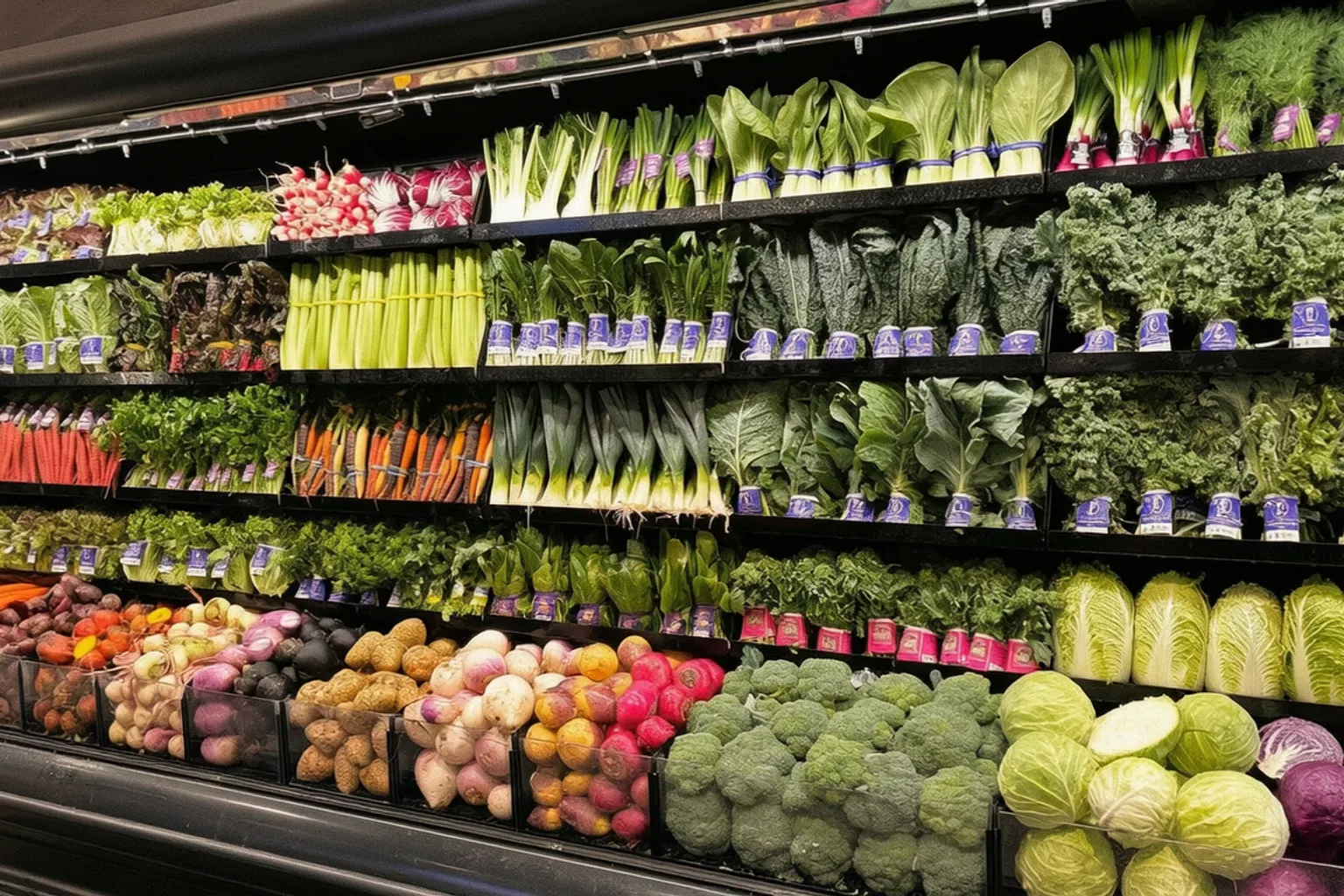
Sintop Fixtures is reporting that Walmart's 2026 Supercenter remodel wave is pulling demand for custom display racks and retail fixtures into a new lane — and if you're a retailer watching from the outside, you should care, because what the biggest box in the U.S. is doing with steel and pegboard this year tends to land in your comp set faster than you'd expect. The framing from Sintop — written from a display fixture manufacturer's seat — is that retail shelving is no longer passive storage; it's becoming part of the customer experience itself.
From backroom to the selling floor
The shift, according to Sintop's factory-side read, is that fixture suppliers are no longer winning bids on price-per-unit and lead time alone. Enterprise buyers now want partners who can sit in early design conversations, walk a planogram with the merchant team, and ship thousands of matched components without the tolerance drift that wrecks sightlines on install day. A single Supercenter renovation can require thousands of fixtures — gondola runs, endcap kits, produce decks, specialty racks — and when one retailer touches that many stores in a single program, every fixture decision becomes a conversion decision. That's the lens Sintop is applying: retail shelving has graduated from passive storage into a live piece of the customer journey, sitting somewhere between signage, merchandising, and store architecture. The article also flags that supermarkets specifically are redesigning floor space around shopper behavior — moving from "how many products can fit" to "how efficiently products sell" — which is exactly the metric we chase in a reset meeting.
What this means on your floor
Here's where we put our floor manager hat on. If you're spec'ing a remodel — or quietly refreshing a category bay while corporate isn't looking — three questions keep the project honest: Does the new fixture actually extend dwell time in the zone, or just clean up the photo for the next district visit? Can the same bay flex between a seasonal push, a vendor change, and a pack-size swap without a forklift intervention? And does the supplier's QA process hold at the multi-thousand-unit run the way it did at the sample-stage prototype? Sintop's piece lands the same point we hammer in every store walk: modern supermarket display racks are being judged on sales performance per square meter, not SKU density. Pair that with the National Retail Federation's note that physical store investment is still climbing, and the takeaway is clear — the fixture vendor you pick is now part of your long-term growth plan, not a line item buried in capex.
What to track next
Two signals worth watching as the year plays out. First, whether Walmart's program pulls smaller chains into the same remodeling rhythm — if your category buyer starts asking for modular gondola specs and digital integration in the same RFP, that's the wave reaching you. Second, whether the custom display rack conversation starts showing up in produce and perimeter departments, where the produce display and misting fixture trends flagged by Produce Business and the brand-consistency push discussed by Front Row Group both point to. The retailers who treat fixture spec'ing as a merchandising exercise — not a facilities purchase — are the ones who'll convert the remodel into dwell time and basket size, not just a shinier aisle.