Future-Proofing Your Retail Floor: 6 Essential Display Trends for 2026
ONI Display just dropped their report on the top 6 retail display design trends for 2026, and the throughline is something every floor manager already feels in their bones — a fixture has to look…
ONI Display just dropped their report on the top 6 retail display design trends for 2026, and the throughline is something every floor manager already feels in their bones — a fixture has to look beautiful, hold up to daily abuse, and reconfigure in under an hour, or it's quietly costing you sales. The report zeroes in on modular systems, experiential storytelling, digital integration, sustainable materials, integrated lighting, and smarter store planning as the six forces reshaping the modern retail floor. For anyone sourcing racks, gondolas, or garment storage right now, this is the brief worth reading before you sign the next PO.
Modularity is no longer optional
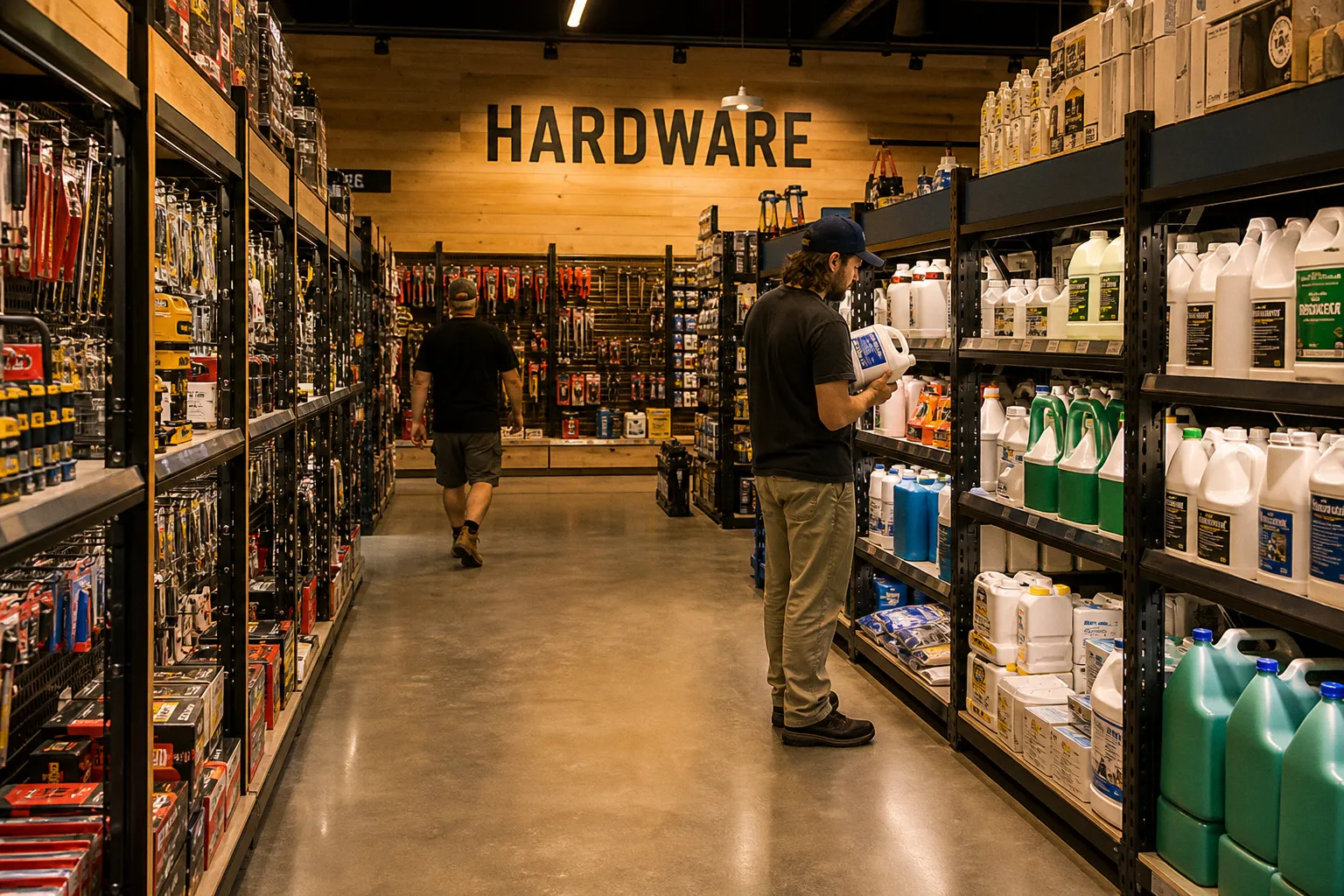
Here's what I want you to look at next time you walk your aisles: how many of your fixtures could you actually re-merchandise in a single shift? The ONI report makes the case that modularity isn't a "nice to have" anymore — it's the baseline. You keep the main gondola or wall structure consistent, then make the shelves, product holders, graphics, and accessories adjustable or swappable. That maps directly onto what we keep seeing with Lozier gondola shelving parts at pet stores, hardware shops, vape stores, and convenience markets, where the same base frame gets reconfigured for completely different SKU assortments and shelf spacings. If your planogram team is still calling in a carpenter every time the seasonal set changes, you're burning dwell time and labor dollars you will not get back.
Experience is the new SKU density
The other trend worth front-of-mind is experiential display design, and this is where the merchandising director in me gets genuinely excited. ONI argues that retailers should stop asking "how many facings can we cram in" and start asking "what feeling do we want the customer to walk away with?" That answer then drives product access, fixture form, materials, lighting, and focal points. A beauty counter leans into testing stations and mirrors. A jewelry boutique runs on controlled product density, premium finishes, and precise illumination. The fixture isn't just holding merchandise anymore — it's staging a story, and your sightlines, endcaps, and integrated lighting are the set designers working the scene.
What to check on your next floor walk
Pull out your phone and audit three things this week: which of your displays could be re-themed without a contractor, which zones lack a clear focal point the customer actually notices, and whether your materials story is something a sustainability-minded shopper could repeat to a friend. On that last point, EVERSUN Packaging's recent showcase at China Pack — highlighting responsibly sourced, recyclable paper for retail display boxes — signals where the supply chain is heading, even if you're not ready to swap every fixture out yet. And if you want a practical anchor on the modular side, Lozier Corporation's own retrospective on 1970s shelving is a reminder that good gondola bones never really go out of style; they just keep getting re-skinned for the next campaign.