Mastering Pop-Up Design: Essential Visual Merchandising Strategies for Temporary Retail
A new industry guide from VM Display Solution breaks down what pop-up design actually means in retail visual merchandising — and for anyone planning temporary retail spaces, the timing matters…
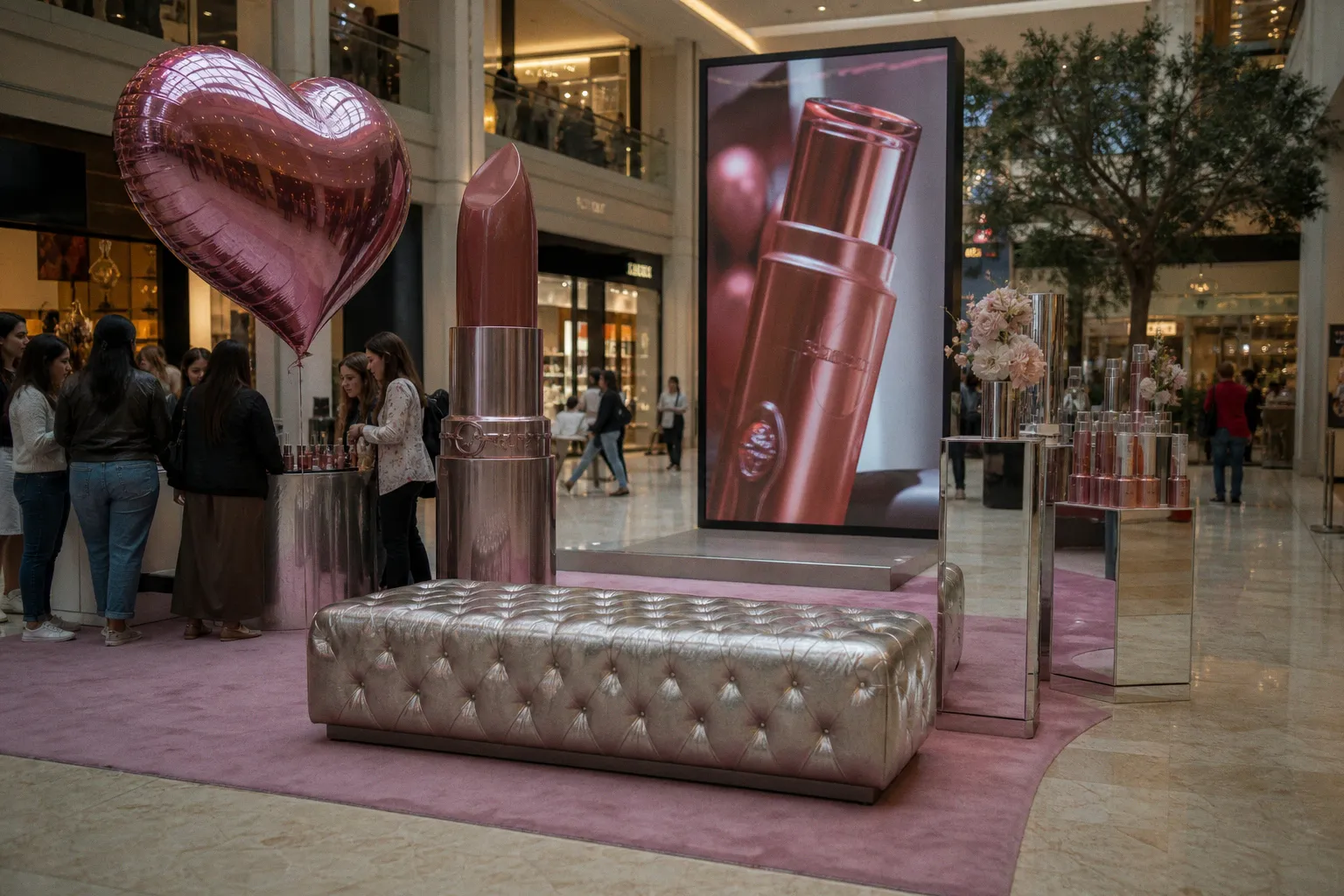
A new industry guide from VM Display Solution breaks down what pop-up design actually means in retail visual merchandising — and for anyone planning temporary retail spaces, the timing matters because the principles it outlines, from modular counters and pedestals to lightweight materials and tight production timelines, directly affect what you can realistically build, ship, and install before opening day. If you've ever watched a pop-up scramble to source props at the last minute, you already know why this distinction is worth your attention.
What "pop-up design" really covers — and what it doesn't
According to the guide, pop-up design is the visual merchandising layer of temporary retail: how the space looks and feels through display props, materials, lighting, colour palettes, and branded elements. It's the discipline that turns an empty shell into a brand environment a customer can read in seconds. Pop-up store design sits one level broader — it folds in site selection, lease negotiation, customer flow modelling, POS placement, and regulatory compliance alongside the visual layer. For floor managers and merchandisers, that split matters because it tells you exactly where your remit ends and where real estate or operations colleagues take over. You own the props, the sightlines, the dwell time. You do not own the lease.
The practical takeaway? When a brand activation lands on your plate, map the venue type first. A shopping mall inline or island pop-up occupies allocated floor space inside an atrium or corridor — that dictates sightline angles, what signage height reads from the entrance, and whether your endcaps will fight competing visual noise from neighbouring units. If your props are too heavy for the floor load rating, or too tall to clear mall sightline rules, no amount of brand storytelling saves you on opening day.
Production reality: where display planning meets manufacturing
Here's where most pop-ups bleed margin. The guide is clear: custom display props, lightboxes, pedestals, and branded backdrops all need to be manufactured, shipped, and installed before the opening date — and those timelines don't bend. When a design agency leads the spatial concept and a display props manufacturer advises on material feasibility, structural engineering, weight limits, and packing dimensions, the conversation has to happen early. If it doesn't, you're redesigning mid-production against a fixed opening date, which is the fastest way to burn your budget and your relationship with the brand.
The materials question is where we see the most preventable mistakes. Lightweight materials and modular counters are the go-to for pop-ups because they keep packing dimensions manageable and cut install time on-site — but "lightweight" can't mean "fragile." If a pedestal survives one weekend of customer touch but not two, your return on the prop investment collapses. Test your material specs against expected dwell time and traffic, not just the design render. The guide also calls out that modular setups need a packing plan — if everything arrives in one crate, your install team wastes hours on-site sorting instead of building.
What to track before signing off
A quick layout checklist before you green-light any pop-up prop order: confirm floor load rating against your heaviest fixture, verify sightline clearance from the mall corridor or street entrance, lock the production timeline with your manufacturer in writing, and stage a mock build off-site if the budget allows. If you can shave install time against your last pop-up, you've just bought yourself a weekend of trading — and that is the KPI that actually shows up on your P&L.