Retailers Push Back Against Legislative Attacks on Electronic Shelf Labeling
As The Packer reports, the retail industry is actively defending electronic shelf labels (ESLs) on store shelving against a growing push from unions and lawmakers who frame the technology as a…
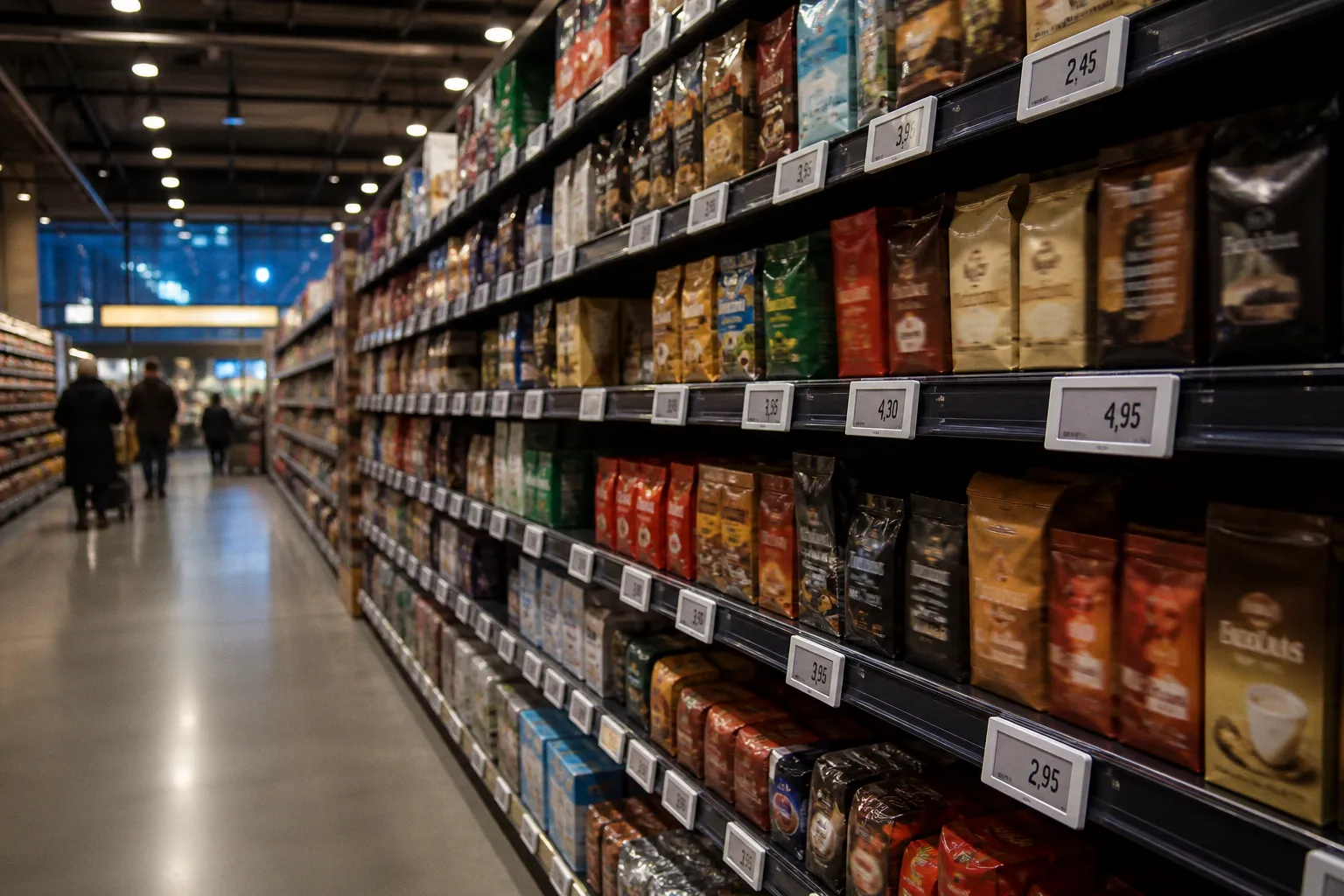
Walk into any grocery aisle today and the price tag has changed — literally. As The Packer reports, the retail industry is actively defending electronic shelf labels (ESLs) on store shelving against a growing push from unions and lawmakers who frame the technology as a gateway to dynamic price gouging. Proponents counter that ESLs deliver cleaner pricing accuracy and tighter operational control, and honestly, if you've spent a Saturday resetting a planogram by hand, you already know which side of that debate keeps the store running.
What the Fight Is Really About
This isn't a technology argument anymore — it's a perception argument. Critics worry ESLs let us change prices in minutes, so customers feel the floor moving under them. Supporters point to what we see every shift: fewer mismatches between the shelf and the point-of-sale, faster promo execution, and labor that gets redirected from sticker-printing to selling. When a price tag finally matches the register, dwell time at the endcap goes up and shrink goes down. That's not theory, that's Tuesday morning in a well-run store.
The nuance matters for merchandising directors because the ESL infrastructure changes how we design bays. We're no longer planning around printed label strips; we're planning around where a small display module and battery sit cleanly behind the rail without breaking sightlines or cluttering the shelf edge.
Where Adoption Is Actually Landing
UKTN reports accelerating rollout of digital shelf displays and ESLs across UK retail, with the hardware increasingly integrated directly into standard store shelving rather than bolted on as an afterthought. That shift matters — an integrated ESL keeps the shelf profile clean, protects SKU density, and lets your fixture vendor spec the right bracket from day one instead of retrofitting later.
If you're pricing a refit or a new gondola run, ask your shelving partner where the ESL mount lives before you freeze the planogram. Retrofitting a display pocket into a 30mm price channel after the steel is on the floor is the kind of decision that quietly eats a week of install time.
What to Watch on Your Floor
Here's the practical checklist we walk teams through when ESLs enter the conversation:
- Planogram shelf-edge height. Verify the label area doesn't crowd the bottom 25mm of your front rail — that's prime real estate for impulse SKUs.
- Communication hub placement. ESL gateways need line-of-sight to gondola runs; a back-of-house antenna won't reach the far endcap.
- Battery and module service access. Can a stocker swap a label without pulling product? If no, your reset times just doubled.
- Price-update cadence policy. Set it internally before a legislator sets it for you — that's the real defense the industry needs.
- Customer-facing signage. Tell shoppers prices may vary by location or day. Transparency kills the "surprise" complaint before it starts.
Bottom line: ESLs are winning the floor because they make stores more accurate, but they're winning the public argument only if we treat pricing cadence as a merchandising policy, not a hidden lever. Get the fixture spec right now and the rest of the debate stays where it belongs — in the news, not on your shelf.