Transforming GCC Retail Spaces into High-Converting Sales Assets
A new GCC playbook on visual merchandising and store design is making the rounds, and according to Salman Gul's industry guide, the biggest takeaway for retailers across the Gulf is simple: stop…
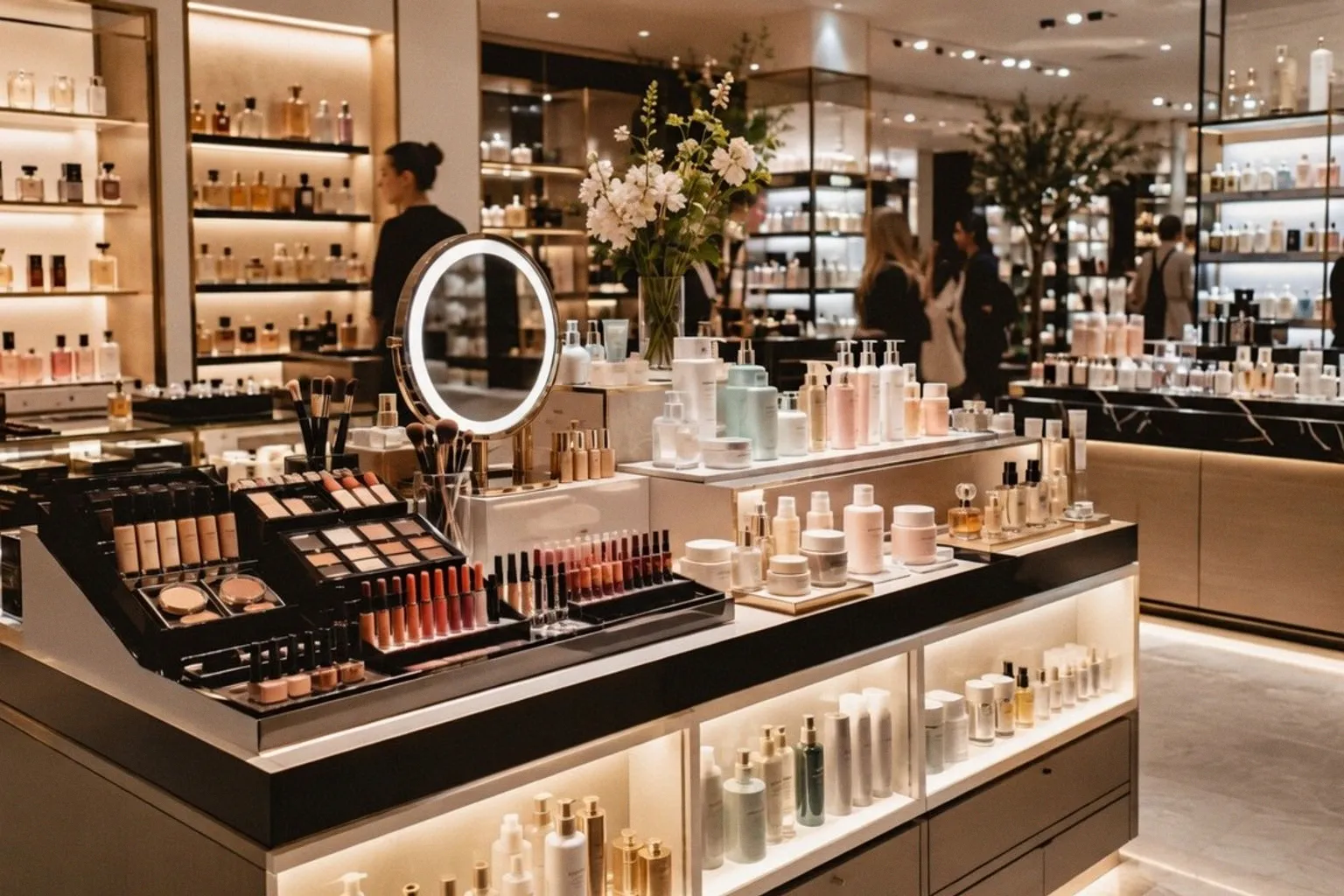
A new GCC playbook on visual merchandising and store design is making the rounds, and according to Salman Gul's industry guide, the biggest takeaway for retailers across the Gulf is simple: stop treating your store like overhead and start treating it like a high-converting asset. Roughly 8 in 10 shoppers make buying decisions based on what they see in-store, which means layout, lighting, placement and display are not operational afterthoughts but direct sales drivers. The guide lands in the same week that Tecnolegno published its own deep dive on visual merchandising in beauty, where route design, shelf hierarchy and modular fit-outs decide which bottle makes it to the till.
What changes on the floor
The Salman Gul guide points to a clear pivot toward fixtures you can re-arrange without a screwdriver. Weekly resets are now part of the merchandising calendar, and the playbook backs it with a stat worth pinning to your planning wall: shoppers spend roughly 14% more time in stores whose displays change seasonally. More dwell, more basket. The second shift is density. Lower-density product displays are winning because shopper attention spans have shrunk, and a gondola packed shoulder-to-shoulder with SKUs no longer reads as abundance; it reads as noise. If your aisle looks like a Tetris board, your customer is already gone.
Tecnolegno's beauty-sector read backs the same instinct from a different angle. In cosmetics and perfumery, the product occupies a few centimetres, the packaging does the heavy lifting, and shelf hierarchy, light, and trial surfaces decide the sale. Tester surfaces, mirrors and correctly aimed lighting are not extras; they are the merchandising brief.
The KPI that actually pays the rent
Here is the number every area manager should have tattooed: footfall is opportunity, conversion is execution. If 1,000 walk in and 200 buy, your conversion rate is 20%, and the commercially vital question is what happened to the other 800. The Salman Gul guide frames this as the mindset shift that unlocks predictable retail growth, and we agree. Driving traffic while ignoring what happens at the shelf is burning budget at the door.
This is also why space planning is moving closer to the supply chain in 2026. According to a Strategix analysis, the role of the merchandiser is no longer purely visual; it now sits next to inventory turnover and product availability. Planograms that ignore stock cover become ghost shelves. Planograms that talk to replenishment become sales engines.
And the macro picture is not slowing down. An openPR.com headline on the retail logistics market points the segment toward $429.84 billion in growth, which on your floor translates to more product, more SKUs and harder competition for every sightline.
Layout moves worth piloting next quarter
Run a sightline audit before your next reset. Check the decompression zone at the entrance, the power wall on the first natural sightline, and the eye-level shelf in every category. Eye level is buy level, and the bottom and top shelves are where hero products go to die. Build around modular fixtures so your next seasonal swap is a same-day job, not a six-week project. Then measure three numbers and nothing else: dwell time, conversion, basket size. If those three move, your floor is doing its job.