CAROLINE Modular Display System: Streamlining Retail Layouts for Optical Stores
Here's what's happening on the merchandising floor: Concept-s has rolled out an updated version of its modular CAROLINE furnishing and display system, built specifically for optical retailers and…
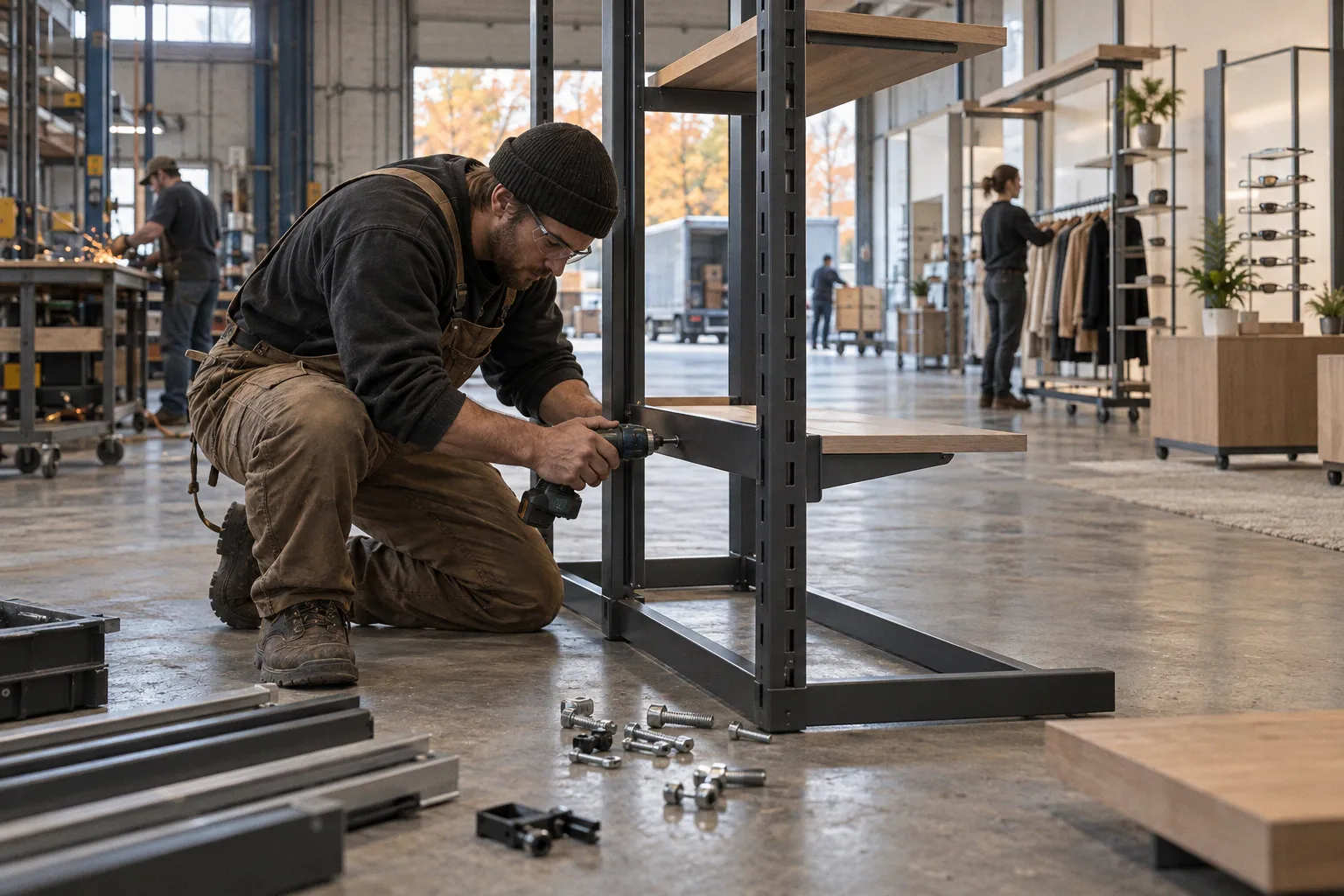
Here's what's happening on the merchandising floor: Concept-s has rolled out an updated version of its modular CAROLINE furnishing and display system, built specifically for optical retailers and specialty storefronts that need to swap presentations on the fly. For any of you running tight square footage where eyewear, accessories, or seasonal collections rotate every few weeks, this is the kind of kit we pay attention to — adaptable walls, flexible heights, and components that snap into place without a full reset.
What's actually inside CAROLINE
Think of it as a kit-of-parts for the optical floor. Concept-s designed CAROLINE around interchangeable graphic panels, plug-in shelving accessories, and modular components that you can reconfigure when your assortment changes. Window, wall, mid-floor, consultation zone, service counter — the system claims it can move between any of those contexts with adjustable heights, widths, and accessories. From a sightline perspective, that's exactly what we want: a fixture family that lets you keep the brand experience consistent while the merchandise planogram underneath gets rewritten every quarter.
If you've ever lost a weekend to a full prop rebuild just because sunglasses season kicked in, you'll feel the pull here. Transparent mid-floor frames keep the store feeling open, sloped presentation trays showcase frames cleanly, and the modular cabinets give you a structured place to backstock the SKUs that aren't in the rotation — without cluttering the customer zone.
Why this fits the wider modular moment
CAROLINE lands at the same time umdasch The Store Makers is finishing a 2,500-square-meter shelving overhaul for Austrian garden center bellaflora in Schwechat using their modular Basixx system, set to reopen on September 9. Two different retailers, two different verticals, same logic: standardized modular shelving as the backbone, plus custom fixtures layered on top for the zones that need their own personality. That's the playbook we keep coming back to — invest once in a flexible skeleton, then spend incrementally on the statement pieces that lift conversion.
Floor checklist before you spec it out
Before you pull the trigger on a modular system like CAROLINE, walk your store with a tape measure and a stopwatch. Map your dead zones — those aisle stretches where dwell time drops and customers drift. Confirm that any new system gives you at least three height options per bay so you can run a tiered planogram with hero frames at eye level and back-up SKUs above and below. And pressure-test the reconfiguration speed: if your team can't swap a panel or move a shelf accessory in under five minutes, you'll never actually use the flexibility, and the system becomes expensive static furniture. Modular only pays off when the modularity shows up in your weekly resets.