Optimizing Retail Efficiency with Shelf-Ready Packaging Strategies
That's the promise Silver Crane lays out in its latest look at shelf-ready packaging, and for anyone responsible for a retail floor, it reads like a playbook we've been waiting for.
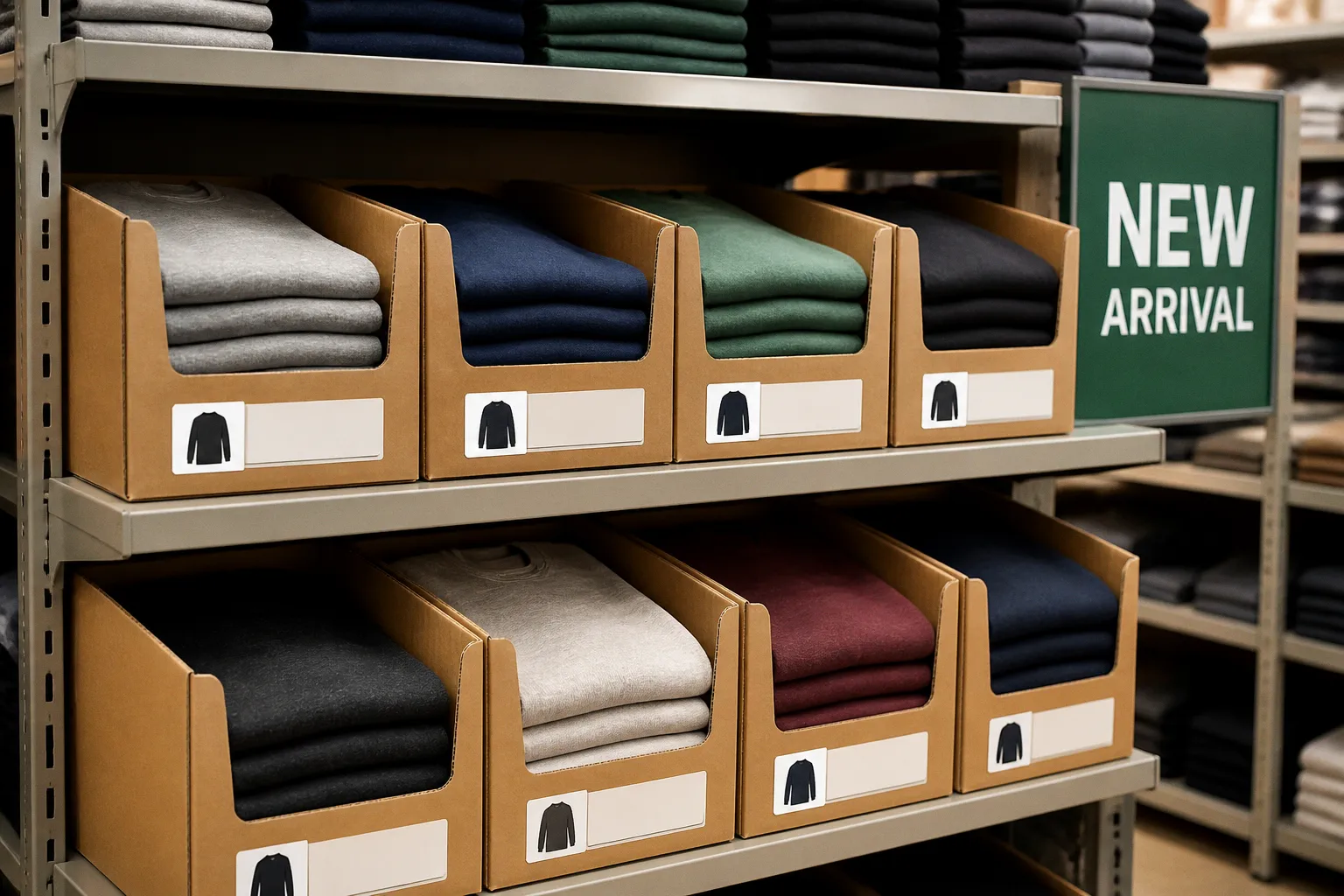
Walk into any well-run store before opening hours and you'll see the stock crew moving at full tilt — ripping open cases, breaking down corrugated, staging product for the shelves. Now picture those same shelves already dressed when the team arrives. That's the promise Silver Crane lays out in its latest look at shelf-ready packaging, and for anyone responsible for a retail floor, it reads like a playbook we've been waiting for.
Why SRP belongs on your merchandising checklist
Shelf-ready packaging isn't a new idea, but it's having a moment — and for good reason. According to Silver Crane, SRP is built to streamline how product moves from the back room to the sales floor, which is the exact choke point where most of us lose labor hours and impulse conversions at the same time.
When a case arrives designed to slide directly onto a gondola or fit inside an existing endcap, the stock team isn't spending half their shift breaking down cardboard and finding a place to stack empty trays. That time lands back on the shelf, on signage, on facing. Silver Crane points to improved product visibility as a core outcome — and visibility is the lever we all know controls dwell time at the aisle. If the customer can't see the SKU cleanly, they can't find it, and if they can't find it, it didn't matter how good the planogram was on paper.
What this looks like on a real floor
Here's the scenario I want you to run in your head: a Saturday morning, a seasonal promo launches, and your receiving team is staring at forty pallets. With traditional packaging, that crew is splitting cases, recycling corrugate, and building displays before a single customer walks in. With SRP-friendly cases, those pallets convert to shelf-ready units you can wheel straight to the department. You're not just saving labor — you're compressing the time between truck arrival and first scan.
Silver Crane's read is direct. SRP reduces labor costs, plain and simple, and it enhances the overall shopping experience because the shelf presents cleaner, faster, and more consistently across stores. For anyone running multiple locations, that consistency is the underrated win. Your Plano shopper in Store A sees the same clean sightline your shopper in Store B does, and the brand reads the same on both floors.
A quick layout-side test before you commit
Before you greenlight an SRP rollout with any supplier, walk the floor with this in mind:
- Sightline check. Does the outer case actually frame the product the way a fixture would, or is the customer still fighting glare and corrugate at the eye-level zone?
- Dwell-time test. In the endcap configuration, does the packaging guide the customer through the SKU range, or does it hide slower movers behind the hero item?
- Labor math. Count the minutes your team currently spends breaking down and staging each case. That's the number your SRP conversation should anchor to — not abstract savings projections.
- Planogram fit. Will the SRP footprint slot into the existing planogram dimensions, or will your merchandising team be rebuilding every shelf map to accommodate the new case?
If the packaging passes those four checks, Silver Crane's case for SRP translates cleanly to your bottom line: lower labor per unit, cleaner shelves at open, and a customer who actually finds what they came in for. That's the trifecta we're all chasing before the doors unlock.