Why Your Store Layout Is Silently Killing Your Profit Margins
That's roughly what your customer gives you — and according to industry analysis published in Powersports Business, the shop floor is either doing the selling for you or quietly costing you margin every hour you're open.
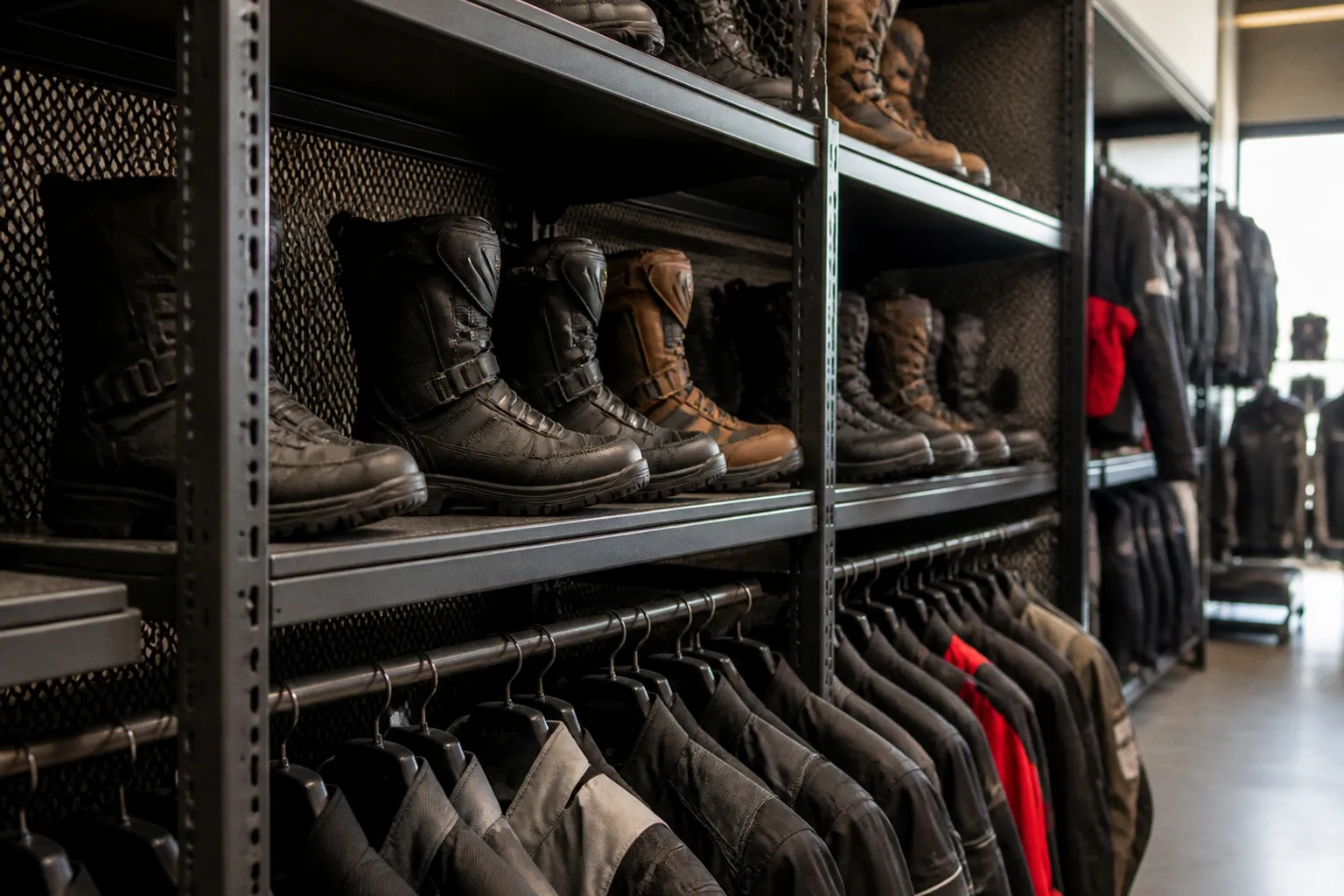
Walk into your store right now and freeze for ten seconds. That's roughly what your customer gives you — and according to industry analysis published in Powersports Business, the shop floor is either doing the selling for you or quietly costing you margin every hour you're open. Visual merchandising isn't a finishing touch; it's the first sales conversation you have, and for most of us, it's the one we keep skipping.
The Eight-Second Sale
We hear a lot about conversion rates and traffic counts, but the real metric to watch is what happens before a word is spoken. Powersports Business cites National Retail Federation data showing that 65% of shoppers say store layout and product presentation directly influence what they put in the basket. And here's the number that should keep every floor manager up at night: 76% of shoppers have walked out empty-handed simply because they couldn't find what they wanted in the time they were willing to spend looking.
That's not a product problem. That's a planogram problem, a sightline problem, and very often an endcap problem. The apparel rack nobody reset for two months is sending customers a message — this category isn't important here. We need to fix that, because the wallet always agrees with whatever the eye reported.
The Hardware Behind the Behavior
Falcon Shelving recently walked through the main shelving families we should all know cold: wall-mounted units for freeing up floor space and lifting smaller merchandise into the sightline, standalone systems you can drag into a new configuration between seasons, double-sided gondola shelving as the workhorse of grocery, hardware, and convenience, and slatwall panels when you need hooks, bins, and rails that can move with your SKU mix. Each one solves a different layout problem, and pairing them carelessly is exactly how we create dead zones in the middle of an otherwise busy aisle.
Meanwhile, OpenPR flagged the three biggest cost drivers when you spec a custom metal display rack — materials, design complexity, and surface finish. That's the order to think about too, because skimping on steel gauge to save on the quote shows up six months later as sagging shelves and an unplanned rework budget. Cheap powder coat, expensive replacement.
Where This Leaves Us This Quarter
Kiosk Marketplace's look at specialty retail points to where the smart capex is moving: modular fixtures and adaptable layouts that hold brand standards while letting your team swap seasonal product in a single afternoon, without power tools and a prayer. If your current fixtures can't be reconfigured by hand, that's your next line item — full stop.
Before the doors open tomorrow morning, here is the only checklist that matters: walk the entry sightline yourself, reset at least one endcap per department, and price anything that has been sitting on the same hook for more than six weeks. Your average ticket will tell you whether the floor is working — you just have to be willing to read the number honestly.