Bridging the Gap Between Retail Logistics and In-Store Merchandising
That disconnect between what's coming through the loading dock and what we can actually move off the shelf is exactly what DHL is putting under the microscope in its new industry brief, Consumer &…
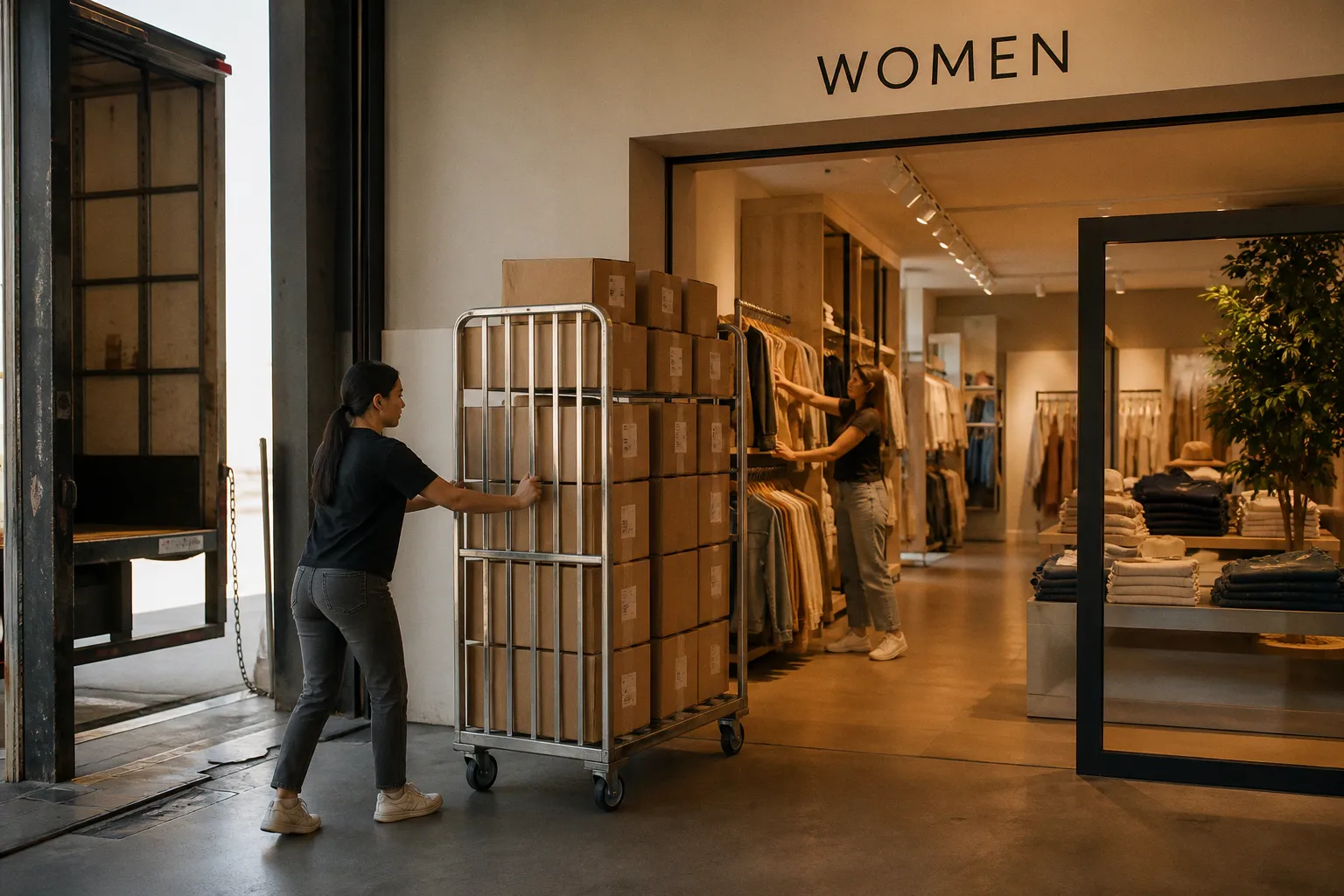
Picture the Monday morning walk-through: the endcap we built out last week is half-empty because the replenishment truck missed its window, and three SKUs we dropped from the planogram are sitting in the back because nobody flagged the packaging changeover. That disconnect between what's coming through the loading dock and what we can actually move off the shelf is exactly what DHL is putting under the microscope in its new industry brief, Consumer & Retail Logistics: Trends, Challenges & Solutions.
Why logistics noise is a merchandising problem
DHL's framing — that consumer and retail logistics is no longer just a supply-chain conversation — lines up with what we see on the floor every week. When inbound cadence slips, dwell time at the gondola drops, because the customer reads a half-stocked fixture as "they don't carry it" and keeps walking. If you've ever watched a shopper pass a thin endcap, lift one unit, see the gap behind it, and put it back, you already understand the conversion math. Pair that brief with the fresh IndexBox read on China's retail packaging market — $48.4B in 2024, roughly 12 million tons, with forecasts running out to 2035 — and the message is loud: case-pack dimensions and shelf-ready packaging aren't background decisions anymore. They're planogram variables, and they decide how many facings you can actually keep live.
Parallel reads worth skimming
Two other pieces landed in the same window and they're useful as triangulation. openPR.com's Retail E-Commerce Packaging Market Report walks through growth drivers and friction points in e-commerce packaging — and if you're running any kind of hybrid store-with-fulfillment operation, that's your pick-and-pack footprint talking straight back to your front-of-house sightlines. Kalkine Media's look at Wesfarmers' diversified retail and commerce trends is a useful reminder of how a multi-format retailer balances assortment breadth against the SKU density a single store can physically carry. None of these are silver bullets, but together they sketch a market where the shelf is the last mile of a much longer decision chain.
What to verify before your next reset
Here's where I'd start the audit. First, cross-check your top twenty turners against inbound lead time — if the truck is weekly but your sell-through is five days, you're either over-stocked on the fixtures or under-rotating the endcaps. Second, walk the back room with packaging in hand; if your case pack doesn't match your gondola depth, you're paying for the mismatch in labor every time someone refills. Third, recalibrate the planogram against actual dwell data, not last quarter's gut feel. The KPI to watch isn't sell-through alone — it's the gap between on-hand in the back and on-shelf at the moment of decision. Close that gap, and the layout starts doing half the selling for you.