Mall of America tickets: two ways to plan your park visit
The biggest mistake visitors make with Mall of America tickets is treating Nickelodeon Universe like a conventional theme park with one mandatory gate fee.
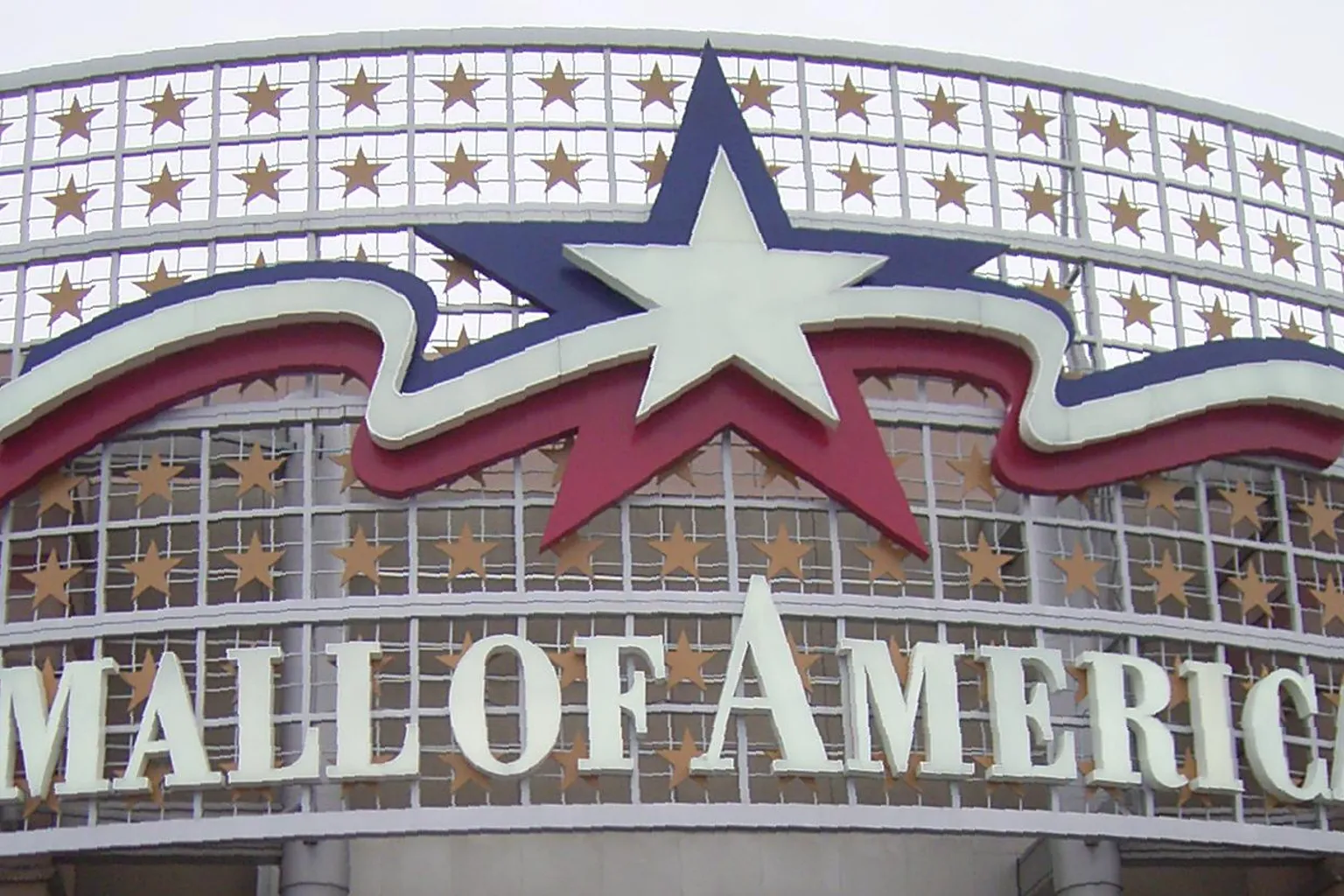
At Mall of America in Bloomington, you can walk through the seven-acre indoor park area without paying simply to enter. The decision comes later, at the ride platform: do you want unlimited access for one rider throughout the day, or do you want to buy ride access selectively and share it across your group?
Tickets and prices
Mall of America
I
Save
Box office and online booking
- Adult USD4.25
USD4.25
Official websiteII
entry ticket
Entry ticket · 1-hour 18-hole blacklight mini golf
Play an 18-hole music-themed blacklight mini golf course covering eras from the 1950s to the present for 1 hour.
USD11.55
Check availabilityIII
entry ticket
Entry ticket · 1-hour 18-hole Northwoods mini golf
Play an 18-hole miniature golf course with a Northwoods theme for 1 hour.
USD11.55
Check availabilityThat distinction changes the entire visit strategy. A family making one or two casual rides does not need the same ticket model as a teenager planning to stay in the park for hours, and a group combining SEA LIFE Minnesota Aquarium with Nickelodeon Universe may get more mileage from an attraction bundle than from treating every experience as a separate purchase.
The right choice is less about finding a universally “best” Mall of America ticket and more about matching ride volume, group behavior, and time on site to the access model.
First, separate park entry from ride access
Nickelodeon Universe occupies a large indoor footprint inside Mall of America, but the park’s walkways are not restricted behind a standard admission gate. You can enter the area, look around, watch the rides, meet your group, and move through the space without buying a ride ticket.
Tickets or wristbands are required when you board the attractions.
That makes Mall of America different from a typical outdoor amusement park, where admission usually covers the right to enter the grounds and rides are then included or added on top. Here, the practical question is not whether you need a ticket to get inside Nickelodeon Universe. You need to decide how much ride access your day actually requires.
This matters for groups that are splitting their time between attractions. One person may want to ride repeatedly while another prefers shopping, dining, SEA LIFE, or simply walking through the mall. Paying for the most intensive ride package for everyone can create a poor fit before the day has even started.
What the two main ticket models cover
Nickelodeon Universe offers two primary ride-access formats:
| Access model | Best for | How it works | Main planning advantage |
|---|---|---|---|
| Unlimited Ride Wristband | Guests planning repeated rides throughout the day | One person receives unlimited access to eligible rides for the day of purchase or activation | You can keep riding without tracking a remaining balance |
| Point Passes | Casual riders, mixed-interest groups, and shared family use | Rides require either three points or six points, depending on the attraction | Passes do not expire and can be shared among multiple guests |
The operational difference is straightforward. The wristband optimizes for frequency. Point Passes optimize for flexibility.
If your group is already talking about which ride to repeat first, an Unlimited Ride Wristband gives the day a clean rhythm: choose the next attraction, queue, ride, and continue. If the group is still deciding whether anyone wants to ride at all, Point Passes keep the commitment smaller and more adaptable.
The best Mall of America ticket is the one that matches your group’s ride count—not the one that sounds most comprehensive at the counter.
Unlimited Ride Wristbands: built for a full ride day
An Unlimited Ride Wristband is designed for one person who expects to use Nickelodeon Universe as a major part of the visit. It is valid for that individual on the day of purchase or activation, so it behaves like a personal all-day ride plan rather than a shared family pool.
This is the natural choice for thrill-seekers, older children, and anyone who wants to make the park the anchor of the itinerary. It also works well when a visitor wants the freedom to ride based on crowd movement instead of making a strict list in advance. If one attraction has a shorter wait, you can redirect immediately. If a favorite ride deserves another round, there is no need to calculate whether the next ride is worth spending more points.
From a visitor-flow perspective, the wristband removes friction at the moment of decision. There is no internal debate over whether the next ride justifies another deduction. That can make a noticeable difference in a large indoor park, where the experience is spread across a busy retail environment and your group may already be balancing food, shopping, attractions, and meeting points.
When the wristband makes sense
Choose the unlimited model when several of these conditions are true:
- Nickelodeon Universe is the primary purpose of your Mall of America visit.
- One guest expects to ride repeatedly rather than sample only one or two attractions.
- Your group wants flexibility to change the order of rides during the day.
- You are planning a long visit and do not want to count every ride individually.
- The rider is likely to use both family attractions and larger thrill rides.
- You value a simple, predictable ride-access plan more than the ability to share access.
There is one important limitation: the wristband is for one person. It is not a group credential that everyone can take turns using. If three family members want to ride, each rider needs the appropriate access.
That makes the wristband particularly effective for uneven groups. Suppose one teenager wants a concentrated ride session while the rest of the family plans to spend time elsewhere in Mall of America. The teenager may benefit from a wristband while other family members choose no ride access or a smaller Point Pass arrangement.
The wristband and dwell time
An all-day ride option also changes how you should schedule the visit. Instead of treating Nickelodeon Universe as a quick stop between stores, you can use it as a flexible home base. Meet there, divide the group, return for another ride cycle, then move to the next attraction when energy or interest changes.
That approach is useful in a destination mall because the park is not isolated from the rest of the building. You do not need to commit every member of the group to the same activity for the entire day. A good itinerary can let riders stay active while others shop, eat, visit SEA LIFE, or explore the mall.
The mistake is buying the unlimited option for everyone simply because one person has a high ride appetite. Match the access model to the individual rider, not the size of the party.
Point Passes: the flexible option for families and casual riders
Point Passes serve a different type of visit. They are non-expiring and shareable among multiple guests, which makes them useful when the group wants to pay per ride rather than reserve unlimited access for a specific person.
Nickelodeon Universe attractions use a three-point or six-point structure. Junior and family rides require three points per rider, while major thrill rides require six points per rider. That split gives you a quick way to forecast usage before committing: a family attraction consumes less access than a major thrill ride, while a group riding together uses points for each participating rider.
Because Point Passes can be shared, one pass can move between family members or friends. That is the major advantage over a wristband. You are not locked into assigning an all-day credential to one guest when the group’s plans are uncertain.
Point Passes work best when the group is selective
The point system is a strong fit when:
- Some members of the group may not ride at all.
- You expect only a few attractions during the mall visit.
- Adults and children will take turns rather than ride every attraction together.
- You are combining Nickelodeon Universe with shopping, dining, or another attraction.
- You want access that can be used on a future visit because the passes do not expire.
- The group would rather track individual rides than commit to unlimited access for one day.
The key is to think in riders, not just attractions. A six-point thrill ride does not consume the same amount of group access as a three-point family ride, and a ride taken by four people uses more points than a ride taken by one. Before buying, map the likely participation pattern:
1. Identify who actually wants to ride.
2. Separate junior, family, and major thrill attractions.
3. Estimate whether riders will repeat anything.
4. Treat shared points as a group resource rather than an individual ticket.
5. Leave room for a second decision later, since the passes do not expire.
That last point is where Point Passes can outperform a more aggressive purchase. A group does not have to solve the entire itinerary at the start of the day. You can walk through the park, observe the atmosphere, see which rides attract your group, and then decide how much ride access is appropriate.
The trade-off: flexibility versus simplicity
Point Passes give you control, but they introduce a small amount of operational work. Someone in the group needs to keep track of the balance and understand which rides require three points and which require six. That is manageable for most families, but it is not as frictionless as an unlimited wristband.
Use Point Passes when the group’s behavior is naturally selective. Use the wristband when the group wants to stop calculating and simply ride.
Neither model is automatically cheaper or better in every situation. The value comes from avoiding a mismatch between what you buy and how your group actually spends time.
Nickelodeon Universe tickets compared with attraction bundles
Mall of America offers more than Nickelodeon Universe, and that changes the way you should evaluate attraction passes. If the plan includes SEA LIFE Minnesota Aquarium, Crayola Experience, FlyOver, or Mini Golf, attraction bundles can combine an Unlimited Ride Wristband with access to another Mall of America experience.
A bundle is most useful when the second attraction is already part of the itinerary. It should not persuade you to add activities simply because the package appears broader. More access is not the same as better value if your group will spend the day rushing between attractions or skipping half of what it purchased.
When a bundle is the better route
Consider a bundle when:
- Nickelodeon Universe is a definite stop rather than a tentative option.
- Your group has enough time for at least one additional attraction.
- The itinerary benefits from alternating high-energy rides with a slower indoor experience.
- Different members of the group want different activities.
- You prefer arranging the day around a few planned anchors instead of buying each attraction separately.
SEA LIFE, for example, can serve a different kind of visitor need from Nickelodeon Universe. One is built around an aquarium experience; the other is a ride-focused indoor amusement park. That contrast can help a family manage different ages and energy levels, provided the schedule leaves enough room for both.
Crayola Experience and FlyOver also create different pacing options. A group can rotate activities rather than forcing every person to spend the entire day on rides. This is especially useful when one visitor is a committed thrill-seeker and another is more interested in interactive exhibits, animals, or a visual attraction.
Do not confuse a bundle with general mall admission
An attraction bundle does not turn Mall of America into a single-ticket venue with one universal admission gate. The mall itself remains a large mixed-use destination, and Nickelodeon Universe can be entered on foot without paying merely to walk through the park area.
Think of bundles as packaged access to selected attractions. They are a planning tool for a multi-stop day, not a replacement for understanding which experiences each guest actually wants.
Planning the day around time, not just tickets
The most efficient Mall of America itinerary usually has a clear anchor. Decide whether that anchor is rides, SEA LIFE, shopping, or a combination, then place the other activities around it.
If Nickelodeon Universe is the anchor, start by identifying the riders who need the most access. Give them the ticket model that matches their behavior, while allowing non-riders to keep their day open. If the mall is the primary destination and rides are secondary, Point Passes may keep the schedule from becoming overbuilt.
You should also establish a meeting point before the group separates. A large indoor destination creates the same wayfinding problem as a complex retail floor: people move at different speeds, sightlines break around attractions and storefronts, and a quick five-minute split can become a long search if nobody agreed where to regroup.
A practical itinerary model
A simple sequence works well for many groups:
- Begin with the attraction that has the firmest timing or the strongest interest.
- Use Nickelodeon Universe as either the first major activity or a flexible mid-day stop.
- Schedule a food break before the group reaches the point of making rushed ticket decisions.
- Let high-interest riders continue while other guests move to shopping or another attraction.
- Reassess the group’s energy before adding another ride cycle.
- Keep Point Passes available for a later visit or a future decision if the group’s plans change.
This is where the non-expiring nature of Point Passes matters. You do not have to force every point into one day simply because it was purchased for that day. The passes can remain part of a future visit, which makes them more forgiving for families whose plans change.
The wristband, by contrast, is a same-day strategy. Its value depends on that rider using it on the day of purchase or activation. Buy it when you have a realistic full-day ride plan, not as a hedge against the possibility that someone might become interested later.
Getting to Mall of America and managing the arrival
Mall of America is in Bloomington, Minnesota, and many visitors plan arrival around either the Metro Blue Line and the MOA Transit Station or the mall’s parking ramps. The best choice depends on group size, mobility needs, luggage, and how much equipment or shopping you expect to carry.
Arrival logistics affect ticket strategy more than people expect. If your group arrives together but intends to split immediately, decide who is responsible for purchasing or holding shared Point Passes. If you are using a wristband, identify the rider before the first attraction rather than buying an all-day option for a person who may leave the park after one ride.
If you are driving, allow time to move from the ramp to your chosen attraction rather than treating the parking location as the entrance to Nickelodeon Universe. If you are using the light rail, the MOA Transit Station gives you a direct arrival point, but the same internal navigation question remains: where is the group meeting, and which attraction starts the day?
These details sound minor until a family is standing inside the mall with one person in a ride queue, another looking for food, and a third trying to find the aquarium. A two-minute plan at arrival prevents a great deal of dead time later.
The best way to buy Mall of America tickets depends on uncertainty
Visitors often search for the best way to buy Mall of America tickets as though there is one correct transaction. In practice, the better question is how certain you are about the day.
If your group knows exactly who will ride and expects repeated access, arrange the Unlimited Ride Wristband around that person. If the group is uncertain, wants to share access, or plans only occasional rides, Point Passes preserve more flexibility. If the itinerary already includes another major attraction, compare the available attraction bundles before purchasing separate access.
Because temporary promotions and seasonal packages can change, treat published ticket options as a current planning snapshot rather than a permanent price guide. Check the live ticketing information when you are ready to buy, especially if your visit depends on a particular bundle or date-specific offer.
The decision can be reduced to three questions:
- Is one person likely to ride repeatedly throughout the day?
- Will several people take only a few rides or share access at different times?
- Are you definitely combining Nickelodeon Universe with SEA LIFE, Crayola Experience, FlyOver, or Mini Golf?
The first answer points toward an Unlimited Ride Wristband. The second points toward Point Passes. The third makes attraction bundles worth examining.
Treat ride access like a floor plan: assign space to the activity that will earn the most attention, and do not build the entire layout around one high-volume customer.
A quick visitor decision map
Use this as a final planning pass before you commit:
1. Rides are the main event.
Choose an Unlimited Ride Wristband for the rider who expects repeated access, especially if the group wants to move freely between attractions without counting every ride.
2. Rides are one small part of a larger mall day.
Start with Point Passes so the group can sample attractions without overcommitting the schedule.
3. The group has mixed interests.
Avoid buying the same access model for everyone. A committed rider may need a wristband, while occasional riders can use shared Point Passes—or skip ride access entirely.
4. You are planning several Mall of America attractions.
Compare attraction bundles that combine Nickelodeon Universe with SEA LIFE, Crayola Experience, FlyOver, or Mini Golf.
5. You are unsure about the timing.
Remember that the Nickelodeon Universe park area itself is free to walk through, so you can orient the group before boarding rides. Point Passes also offer more flexibility when the itinerary is still developing.
6. You are buying for one specific day.
A wristband is tied to one person and the day of purchase or activation. Make sure that rider is genuinely planning to use it.
Mall of America tickets are easiest to understand once you stop thinking of them as a single admission product. Nickelodeon Universe offers two distinct ride-access systems: one built for all-day use by one rider, and one built for selective, shareable participation. Add the possibility of attraction bundles, and the real planning task becomes clear.
Build the day around actual behavior. If the rides will drive the schedule, buy for frequency. If the group is exploring, buy for flexibility. If several attractions are already on the itinerary, compare the combined route before you lock in separate access. That approach keeps the ticket decision aligned with time on site, group energy, and the experience visitors came to Mall of America to have.