Soft Architecture: How to Integrate Rounded Fixtures into Modern Retail and Home Storage
According to Apartment Therapy, “soft architecture” is gaining ground in 2026: fabric details, rounded corners and tactile materials are moving into furniture as well as commercial interiors.
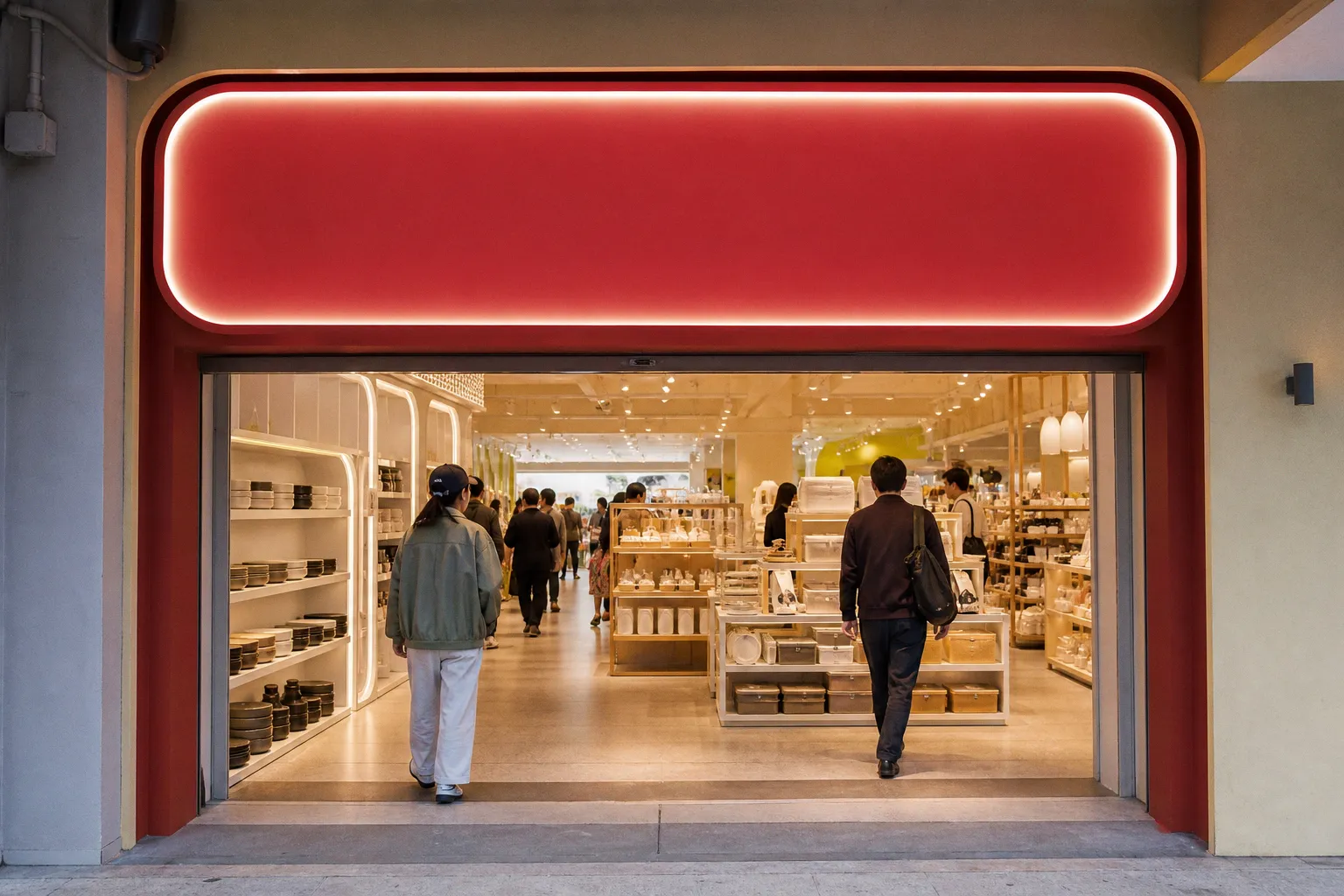
For anyone planning display racks, garment storage or a compact home retail-style closet, the useful signal is not “make everything squishy.” It is that hard-edged fixtures now need to earn their footprint.
I have watched plenty of projects confuse visual softness with physical convenience. A rounded rail is still an obstruction if it steals hanger clearance. Upholstery on a display wall is still dead space if stock access becomes a two-handed ceremony. The trend matters because customers may stay longer in softened retail and hospitality environments, as the report suggests—but only if the layout remains legible and usable.
Soft surfaces are entering the fixture conversation
The reported look combines textile elements, tactile finishes and curved forms to reduce the severity of rigid interiors. In commercial settings, that puts conventional steel shelving and straight-run garment systems in an awkward but fixable position. They do not need to disappear; they need a better supporting cast.
Think of the rack as the load-bearing skeleton, not the whole visual experience. A straightforward modular bay can sit behind a fabric-backed display, beside a rounded end panel, or under a softer visual canopy. The structural parts stay structural. The customer-facing edges do the softening.
That distinction matters in homes too. Open garment storage often looks harsh not because the rail exists, but because every component is exposed: brackets, shelf corners, stacked bins, hanger hooks. A textile curtain, a tactile backing panel or a rounded accessory zone can interrupt that visual grid without forcing a full retrofit.
Curves need clearance, not applause
The current appetite for rounded corners has a very predictable friction point: curves consume usable geometry. In a tight bedroom, stockroom or boutique aisle, a generously shaped end unit can quietly reduce the straight hanging run, shelf width or turning space that made the system work in the first place. Design poetry is lovely. Finding that your garment rail ends before your coats do is less lovely.
My practical read is to apply softness at touchpoints and perimeter conditions rather than across every module. Round the exposed end of a run. Add a tactile surface where people pause. Use fabric elements to break up a tall vertical plane. Keep the middle of the system disciplined: accessible shelves, clear sightlines, uncomplicated replenishment.
For retail, that means avoiding a soft-looking display that conceals where products begin and end. For residential organization, it means preserving the boring essentials—door swing, drawer pull-out, hanger clearance and reach range. Those are not glamorous words, but they decide whether a storage solution gets used or merely photographed.
A softer envelope, a modular core
Apartment Therapy frames the movement as a way to soften rigid structures and encourage people to linger in commercial and hospitality spaces. That is a worthwhile brief for fixture planning, provided the soft layer remains replaceable.
Fabric features and tactile treatments can change faster than the underlying rack system. So can branding, merchandise mix and a household’s storage needs. I would rather retrofit a reliable modular frame with softer panels, rounded trim or adaptable visual layers than replace the whole assembly for a trend cycle. The core should preserve verticality and capacity; the finish should be allowed to evolve.
Reality check before buying or retrofitting:
- Measure usable hanging and shelf clearance after adding rounded panels or textile layers.
- Keep product access and replenishment routes obvious; softness should not become camouflage.
- Put tactile materials at customer-facing or touch-heavy zones, not where they obstruct storage.
- Favor modular components that can be updated without sacrificing the rack’s structural job.
- Treat “soft architecture” as an envelope around the system—not an excuse to make the system less functional.