How Aurora Lighting’s Experience Centre Redefines Retail Through Immersive Sequencing
According to Retail4growth, Aurora Lighting has opened a roughly 9,000 sq ft Experience Centre in Rajkot, designed by FRDC, that reverses the conventional showroom sequence: visitors walk through…
A Showroom That Sells the Effect, Not the Fixture
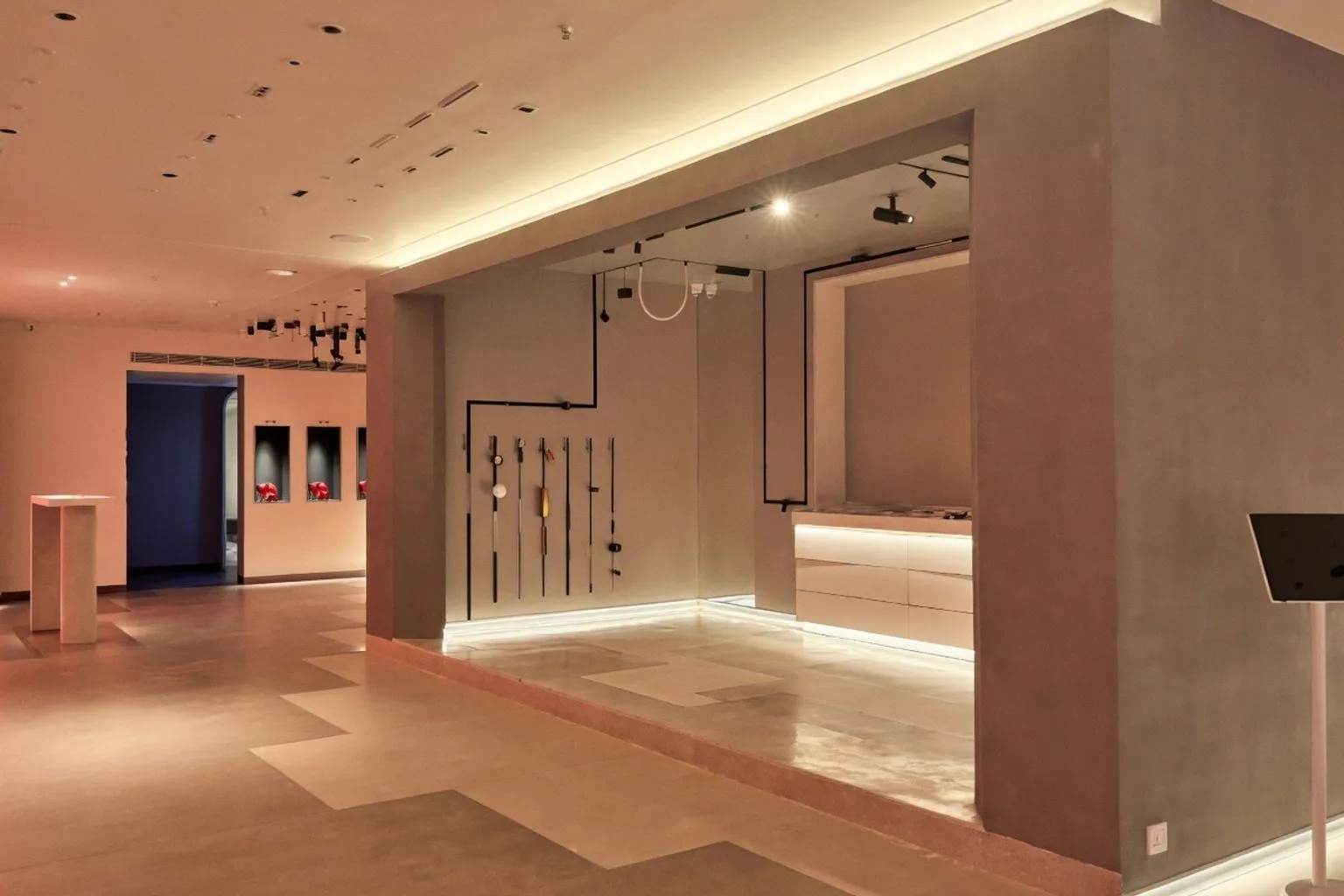
If your category displays aren't moving product, the problem may not be the SKUs — it may be the order you show them in. According to Retail4growth, Aurora Lighting has opened a roughly 9,000 sq ft Experience Centre in Rajkot, designed by FRDC, that reverses the conventional showroom sequence: visitors walk through recreated rooms and only afterward encounter the fixtures themselves.
The retail lesson hiding inside a lighting store is one every floor manager should study. The space sequences shoppers past living rooms, bedrooms, kitchens, wardrobes, and washrooms, plus outdoor applications like facades, compound walls, and under-surface lighting. Each zone stages a lighting outcome before the hardware is revealed. Customers feel the color temperature shift, watch a textured wall come alive, see a step illuminate — and only then does anyone talk about wattage, CRI, or finish.
Where the Layout Earns Its Dwell Time
We obsess over sightlines and dwell time, and this floor plan is built around both. Ruchi Mehta, Design Director at FRDC, explained to Retail4growth that the centre was designed so visitors can compare color temperatures, RGB effects, concealed lighting, skirting lights, and under-step illumination on their own — no designer hovering, no spec sheet first. That self-guided dwell is where conversion lives: longer engagement, stronger emotional response, less decision fatigue at the till.
The sequencing is the real strategy. Sanjay Agarwal, Co-Founder and MD of FRDC, described the visitor journey as one where customers arrive with the question of what lighting can do to their space, experience the effect, and then select the fixture. Hitesh, founder of Aurora Lights, added that because the category is technical, shoppers need to evaluate the outcome before they can pick the right product. In merchandising terms, that is the difference between a transactional endcap and an experiential one — and the experiential version almost always wins on basket size.
What to Lift for Your Own Floor
- Lead with outcome zones, not product walls. If your category carries any technical explanation — lighting, audio, smart home, fitness gear — let shoppers feel the result before they read the spec.
- Engineer the dwell. Rajkot works because each recreated room slows the customer down enough to notice the difference between a warm wash and a cool one.
- Treat fixtures as the answer, not the opening line. The whole centre is built on the idea that once a customer has felt what light does to a surface, the SKU conversation sells itself.
Quick read for the next store walk: if your shopper has to imagine the result, you have already lost thirty seconds of dwell. Build the moment first, then place the product where the eye is already pointing.