Transforming Retail Floors: Integrating Interactive Tech into Durable Display Fixtures
According to Sintop Fixtures, pairing interactive 3D screens with traditional retail fixtures is already lifting customer dwell time by 14%, and that's reshaping how store owners think about every endcap and sightline.
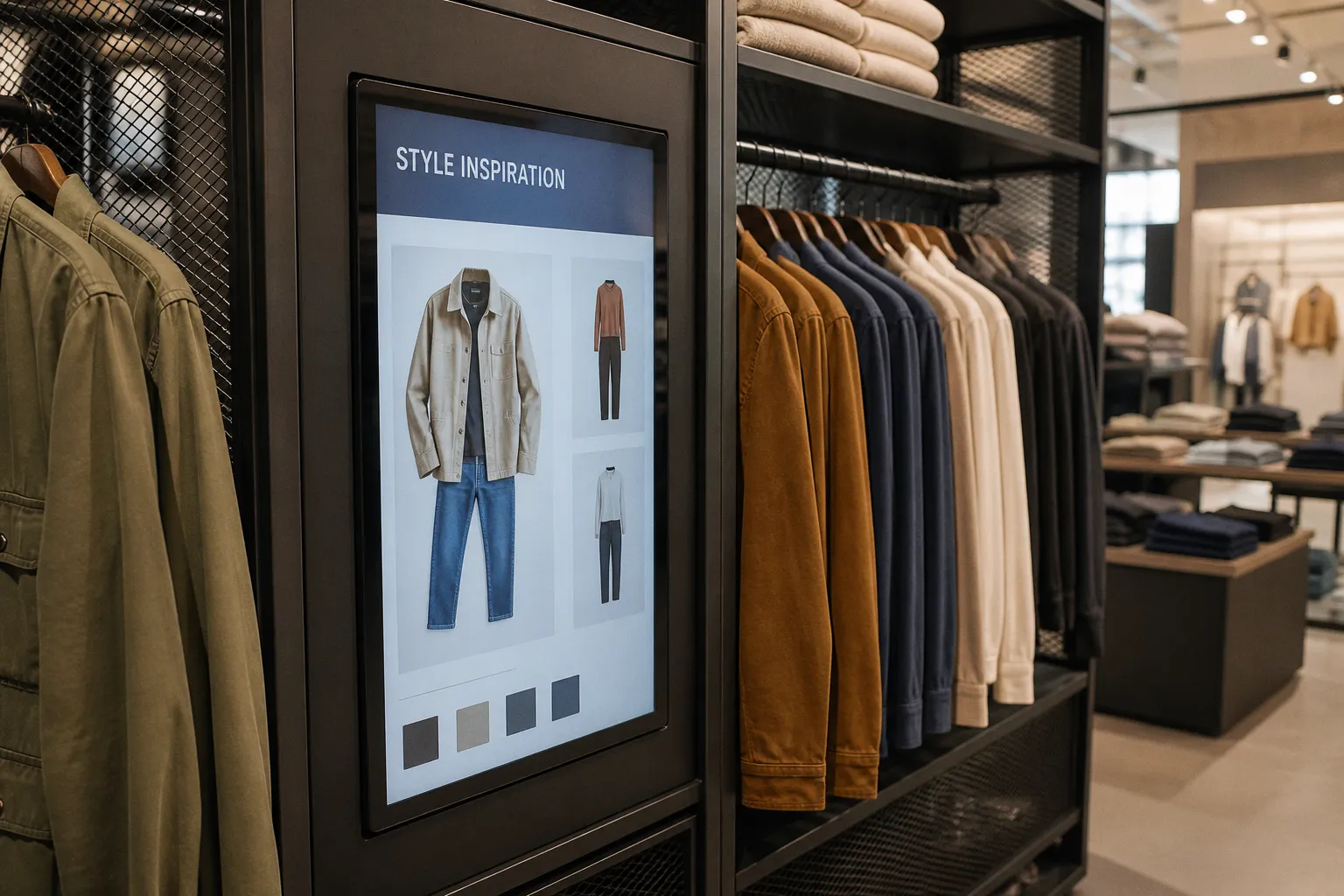
As the convenience sector heads to C-StoreTEC 2026 in October to debate layout, loyalty tech, and AI integration, the question for floor managers is no longer whether to add digital layers — it's which fixtures can survive the heat, glare, and a 15-year procurement horizon.
The endcap is now a network node
We talk a lot about dead zones in the back third of a gondola run, but in 2026 the real dead zone is any fixture without a data drop. Sintop's reporting tracks a clear pivot: digital signage, smart retail displays, and interactive screens are moving from experimental tech into the primary engine of footfall resilience. That 14% dwell-time lift isn't coming from the screen alone — it's the combination of a depth-perception panel mounted in a frame that can route power, dissipate heat, and still let you swap planograms without a screwdriver.
If you're a buyer right now, your spec sheet has to answer three questions before the SKU density conversation even begins: Can the frame vent enough heat to run a high-brightness display through an August heat dome? Does the bracket system leave clearance for power and network runs without gutting your sightlines? And can the supplier commit to modular replacements in five years, not a forklift upgrade in three?
What the convenience floor is actually planning
C-StoreTEC 2026 returns to Lombard, Illinois on October 26–28, and the agenda reads like a roadmap for every cramped c-store box trying to grow basket size without growing footprint. Operators from bp, Circle K, RaceTrac, Sheetz, Parker's, and Royal Farms are slated to share how they're wiring loyalty, retail media, and increasingly complex vendor ecosystems into a footprint that averages around 2,800 square feet.
The framing from Kate Hibbard of Informa is one we hear from buyers every week: "C-StoreTEC has always been about creating an environment where technology leaders can learn from one another and have candid conversations about what is actually happening inside their businesses." NexChapter's Art Sebastian pushes the same point one step further: "We are moving quickly from experimentation with generative AI toward a world where predictive, generative and agentic capabilities become embedded in how retailers operate."
For you, the practical translation is simple. AI-driven audience sensing, shelf-edge retail media, and interactive endcap screens aren't pilot projects anymore; they're showing up on the 2027 capex line, and your fixture partner needs to have answers about thermal management, network redundancy, and modular serviceability — not just glossy renderings.
Your layout checklist before the next refresh
Before you sign the next fixture PO, walk the floor with this on your tablet:
- Network drops per fixture run. Count the gondola sections that will carry a screen. If the answer is zero, you're buying obsolescence.
- Heat clearance. Walk the proposed screen locations with a thermal gun during a Saturday peak. If the existing vent path doesn't clear ten degrees above ambient, rethink the frame.
- Planogram agility. Confirm the panel mount doesn't lock you into a single SKU depth. Your seasonal flex depends on it.
- Service window. Ask the supplier for a five-year modular replacement commitment. Anything less is a budget hit waiting to happen.
The retailers pulling ahead in 2026 aren't the ones with the biggest screens. They're the ones who built the fixture backbone to handle whatever screen comes next.