Strategic Retail Millwork: Designing Store Fixtures for Maximum Sales
According to a newly published guide from Boreal Architectural, that effortless choreography doesn't happen by accident.
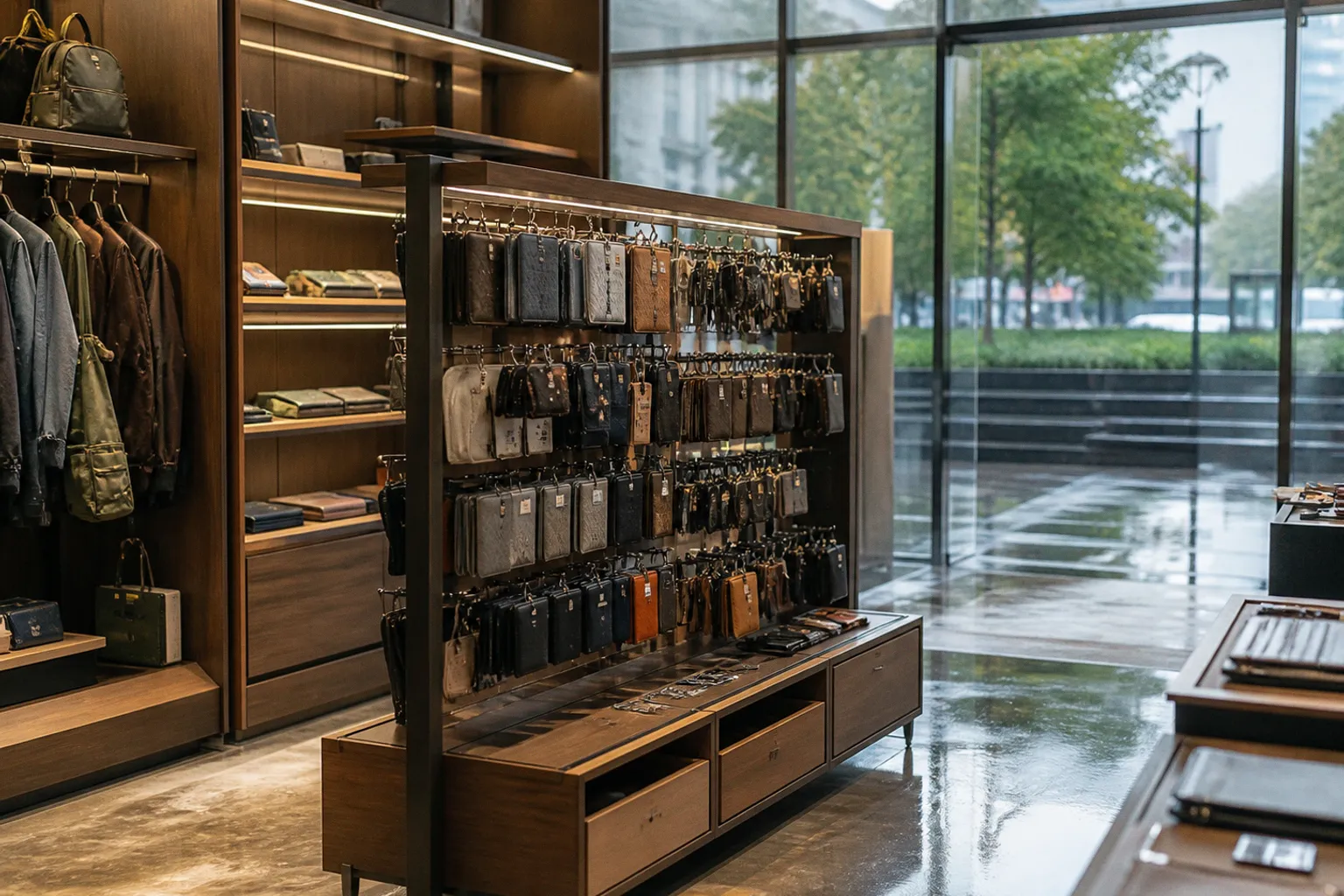
You know the feeling — you walk into a store and within ten seconds your eyes already have a path: entrance, hero display, fitting rooms, checkout. According to a newly published guide from Boreal Architectural, that effortless choreography doesn't happen by accident. It's engineered from the first layout review through the final install, and it's exactly the kind of structural thinking that separates a busy floor from a profitable one.
Customer Flow Drives the Blueprint
The Boreal piece pushes one idea hard: customer flow should guide fixture decisions from day one, not the other way around. A store entrance needs clear sightlines and enough open floor for shoppers to settle in before they begin browsing — if your threshold is cluttered with a greeting table and a promotional tower, you're already losing dwell time before the customer sees a single SKU. From there, display areas should funnel attention toward key merchandise, feature walls, fitting rooms, service counters, or the cash desk.
Here's the practical move before you commit to a planogram. Walk the empty shell and mark where your eyes naturally land from the entrance. If the brand's hero endcap isn't visible from ten feet in, your SKU density in that dead zone is working against you, not for you. Then check it again at peak hours, because sightlines compress when the floor fills with people and baskets. If a customer can't see the feature wall through the crowd, neither can your conversion rate.
Why Custom Millwork Earns Its Keep
Off-the-shelf fixtures force your brand into a template. Custom millwork, the Boreal team argues, gets engineered around the actual floor plan — columns, tight service areas, unusual wall conditions, established building constraints, all of it. And here's the part retailers tend to skip: a fixture is touched, opened, cleaned, loaded, and nudged around hundreds of times during normal use. So commercial millwork has to account for more than appearance. It needs to handle product weight, repeated customer contact, secure storage, and the daily grind from staff.
During design development, that means reviewing anchoring, wall backing, electrical connections, integrated lighting, signage locations, and security equipment on paper, not on site. If you wait until the truck arrives to discover a clearance issue, you've just burned your install window. The guide also notes that local production — Boreal manufactures in Canada — gives buyers direct oversight of finish review and quality control throughout fabrication, which is why we always push for shop drawings and material specs before a single panel is cut.
The Sourcing Reality: Compliance Is Now a Design Variable
If you're sourcing internationally, two adjacent signals deserve attention this season. EIN Presswire surfaced a roundup of leading accessory display rack manufacturers in China for 2026 — a useful map of where global retail buyers are actively shopping right now. And GP Metal Wares published a guide on how Chinese display factories adapt designs to meet local safety codes and international quarantine rules, including ISPM 15 phytosanitary requirements for wooden packaging.
For your next RFQ, the move is straightforward. Confirm packaging treatment certificates before the container is sealed, and verify that electrical and fire-safety components meet your jurisdiction's code. A rack that passes inspection in Shanghai can still fail at your local building department, and you've got no leverage once it's bolted to the floor.
Your Pre-Install Checklist
- Sightline audit: Stand at the entrance at three different times of day. Where do eyes land first — your hero display or a pillar?
- Dwell time at feature walls: Are customers stopping, or walking past?
- Staff replenishment paths: Can associates restock without crossing active customer flow?
- Fixture serviceability: Can panels, hardware, and lighting be swapped without dismantling the unit?
- Compliance file: Keep ISPM 15 and local electrical certs in one folder before shipment, not after.
Track those five and your next fixture program starts looking less like a gamble and more like a layout you can actually sell against.