Adapting Your Retail Display Strategy to Rising Mall Property Values
The Wall Street Journal is reporting that malls are leading the commercial real estate recovery, with property values climbing 13% in the latest round of assessments.
Malls Just Led CRE With a 13% Valuation Jump — Now Check Your Display Plan
If you're managing a store footprint, buying fixtures, or running visual standards inside a mall-based retail operation, that headline number carries direct consequences for your lease renewal, your floor plan, and your display infrastructure budget.
What a 13% Valuation Jump Actually Does to Your Floor
A bump of that size signals landlord confidence, and confident landlords behave predictably: they reinvest in common areas, reshuffle anchor tenants, and tighten the visual standard across their tenant base. We've watched this cycle play out before — a new anchor or a renovated court shifts the sightlines through your corridor, and the endcap you built your impulse strategy around turns into a dead zone almost overnight.
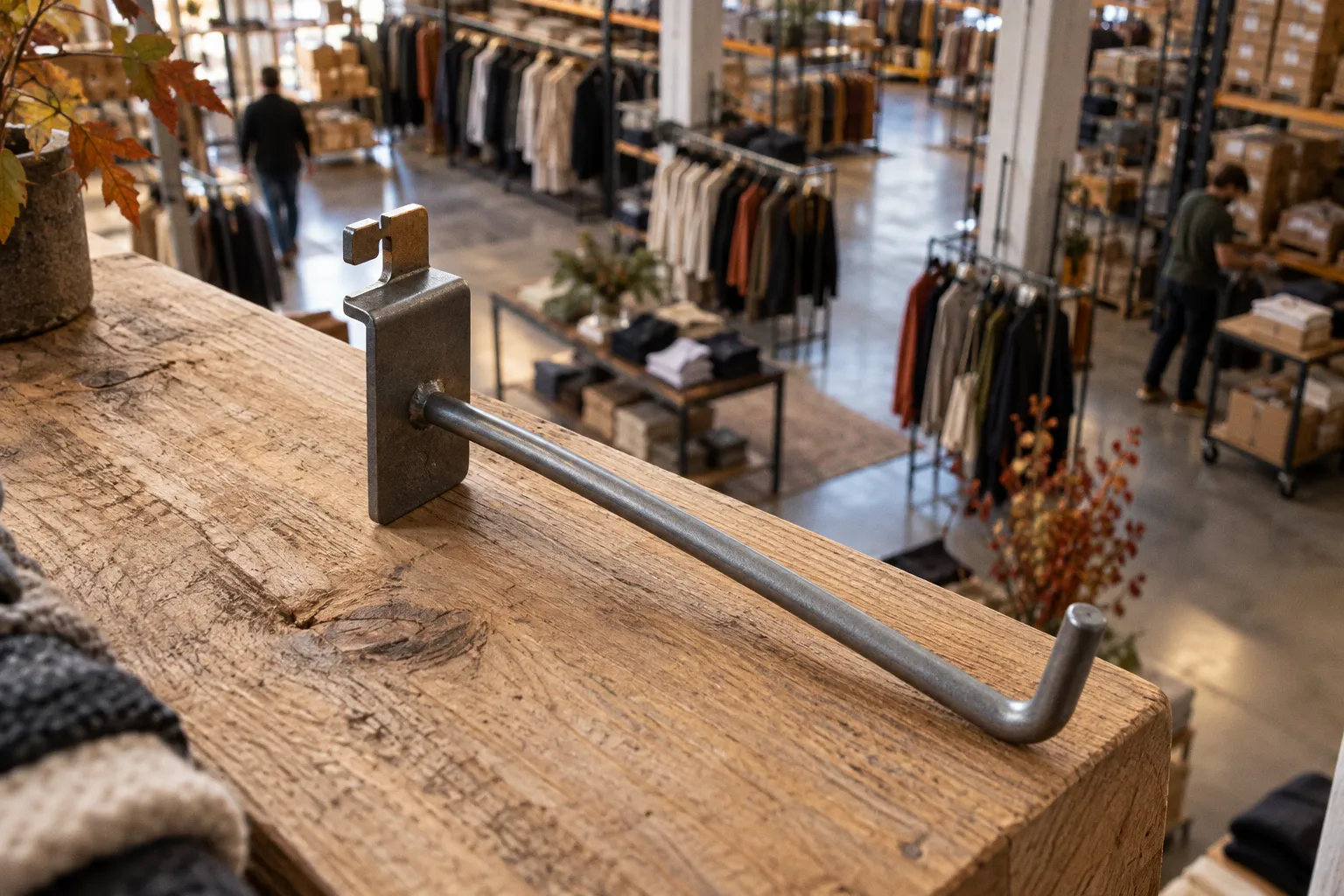
This is exactly where your display rack and gondola decisions earn their keep. If your landlord is signaling reinvestment, push for fixture allowances in your renewal — updated gondola runs, slatwall conversions, or a planogram reset timed to the new traffic flow. If reinvestment isn't coming, you're staring at rent pressure without the visual upgrades to back it up, and your dwell time will show the gap. Either way, your display infrastructure has to be ready to flex on short notice.
The Broader CRE Tide — and Your Pre-Renewal Audit
This valuation bump isn't happening in isolation. A Baltimore Sun report flags how data center expansion is pulling capital into commercial real estate broadly, and regional deal trackers like The Business Journal are logging significant lease activity in markets like Visalia. The Orange County Register is mapping what to expect from commercial real estate for the rest of 2026. The through-line for us: institutional capital is rotating back into physical retail property, and malls are leading that rotation.
For your floor, that translates into a straightforward dynamic — landlords and REITs will hold more leverage at renewal, and they'll expect tenants to look the part. Stores running on aging gondolas, fixed wall standards, or planograms that haven't been refreshed in three years will feel that pressure first. This is the window to audit your fixture condition before renewal season locks you in.
Walk the floor with one question: can my display infrastructure flex if the mall reconfigures around me?
- Sightlines — Merchandising to today's anchor map, or the one from your last lease signing?
- Density — Gondola spacing tuned to current dwell time, or packing low-traffic zones while under-serving hotspots?
- Modularity — Racks and wall standards accepting planogram changes in hours, or locked into a footprint that resists quick resets?
If that last answer is "locked in," the 13% valuation jump is your cue to budget for modular fixturing before your next renewal cycle. Rising property values give landlords momentum — your display strategy needs the same.