Optimizing Retail Storage Systems for Modern Logistics Demands
Into this cautious environment, the global logistics giant DHL is promoting its focus on transforming consumer and retail logistics.
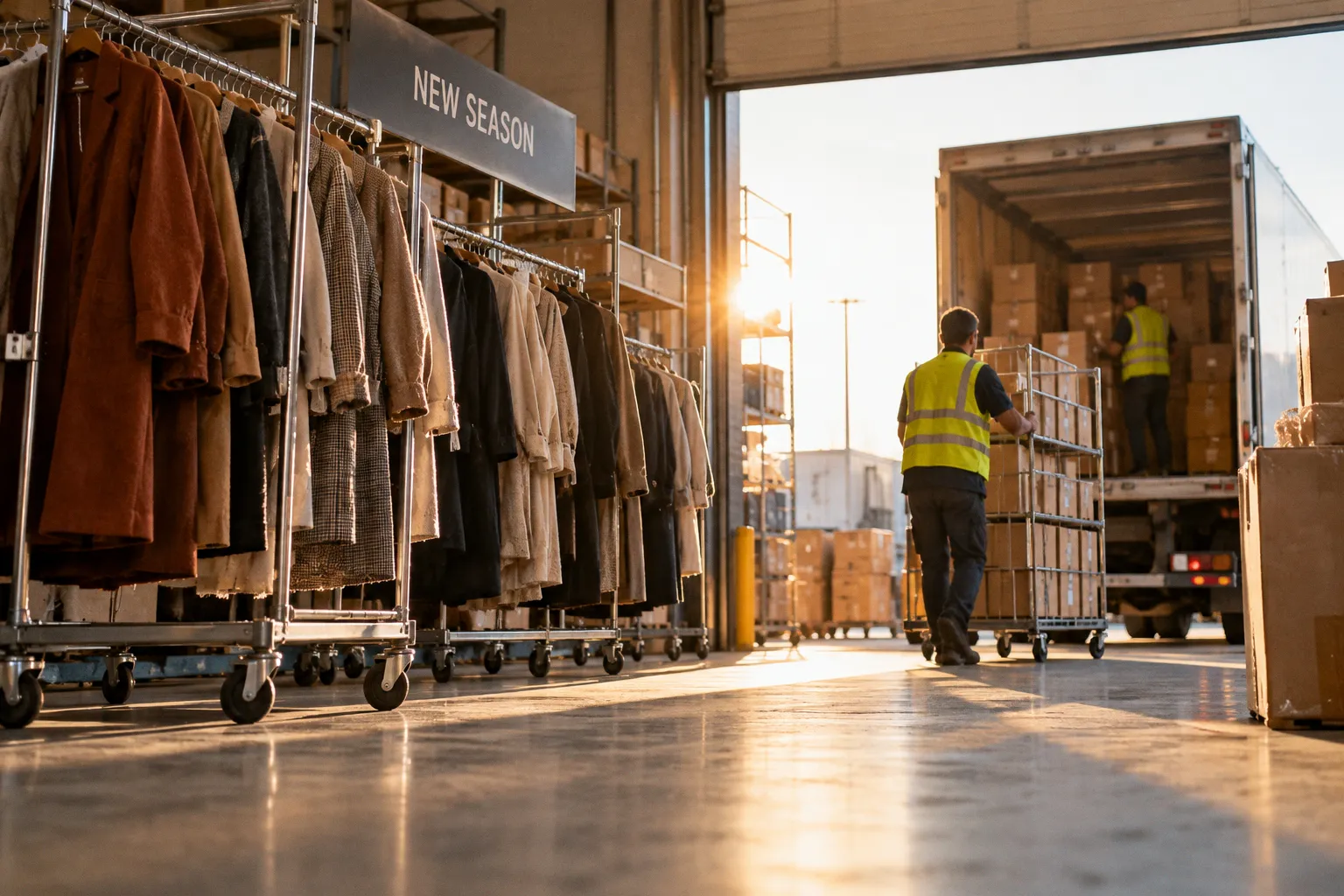
The retail sales data pouring in for August tells a familiar, grating story for anyone involved in the physical infrastructure of stores: growth is cooling. According to reports, UK retail sales growth slowed to 0.7%, even as shoppers showed renewed interest in autumn clothing. Meanwhile, north of the border, Retail Insider's Canadian Retail Monitor noted strengthening demand and rising volumes. This isn't just abstract economics; it's the background hum that dictates how much pressure your floor layout and stockroom can take. When consumer demand wobbles, the efficiency of every square foot of retail and warehouse space gets scrutinized—and that’s where the real work begins.
The Logistics Backbone Gets a Nudge
While the specific details of their initiative aren't unpacked in the available snippets, the very announcement is a signal. Major players are doubling down on rethinking the flow of goods, from regional distribution centers right to the shop floor. For store planners and warehouse managers, this macro movement trickles down. It means faster potential restock cycles, shifting inventory buffers, and ultimately, different demands on your storage systems. A shelving unit that made sense with quarterly bulk shipments might create bottlenecks if logistics aim for more frequent, smaller deliveries.
What This Means for Your Rack Footprint
Let’s be clear: no logistics overhaul will magically fix a poorly planned gondola or a garment rack with zero clearance. But these shifts will change the pressure points on your existing setup. Slower sales growth puts a premium on holding less buffer stock, freeing up backroom space that’s often poorly utilized. A logistics push for agility, however, might mean your front-of-house display needs to accommodate more frequent product rotations without collapsing under the strain of constant re-merchandising.
The real opportunity here isn't in waiting for a vendor's "one-size-fits-all" solution. It’s in stress-testing your current layout against these two converging trends: a possible plateau in demand and a likely increase in logistical fluidity.
Before you spec your next racking project, run this reality check:
- Measure your verticality vs. access. That 12-foot steel rack looks efficient on paper, but if your staff needs a ladder for hourly restocks on a hot-selling garment, you’ve sacrificed agility for density.
- Audit your retrofitting capacity. Can your current system adapt if your supplier shifts from palletized bulk to mixed-case deliveries? Fixed-position shelving often can't.
- Calculate the real footprint of "empty" space. A half-loaded bay isn't wasted space; it's the flex capacity you'll need if demand strengthens as quickly as it cooled.