Barbour Adopts Modular Retail Fixtures to Streamline Store Refits
According to trade reports, heritage brand Barbour has become the first retailer to deploy a new British-designed modular display system aimed at slashing the cost and disruption of store refits.
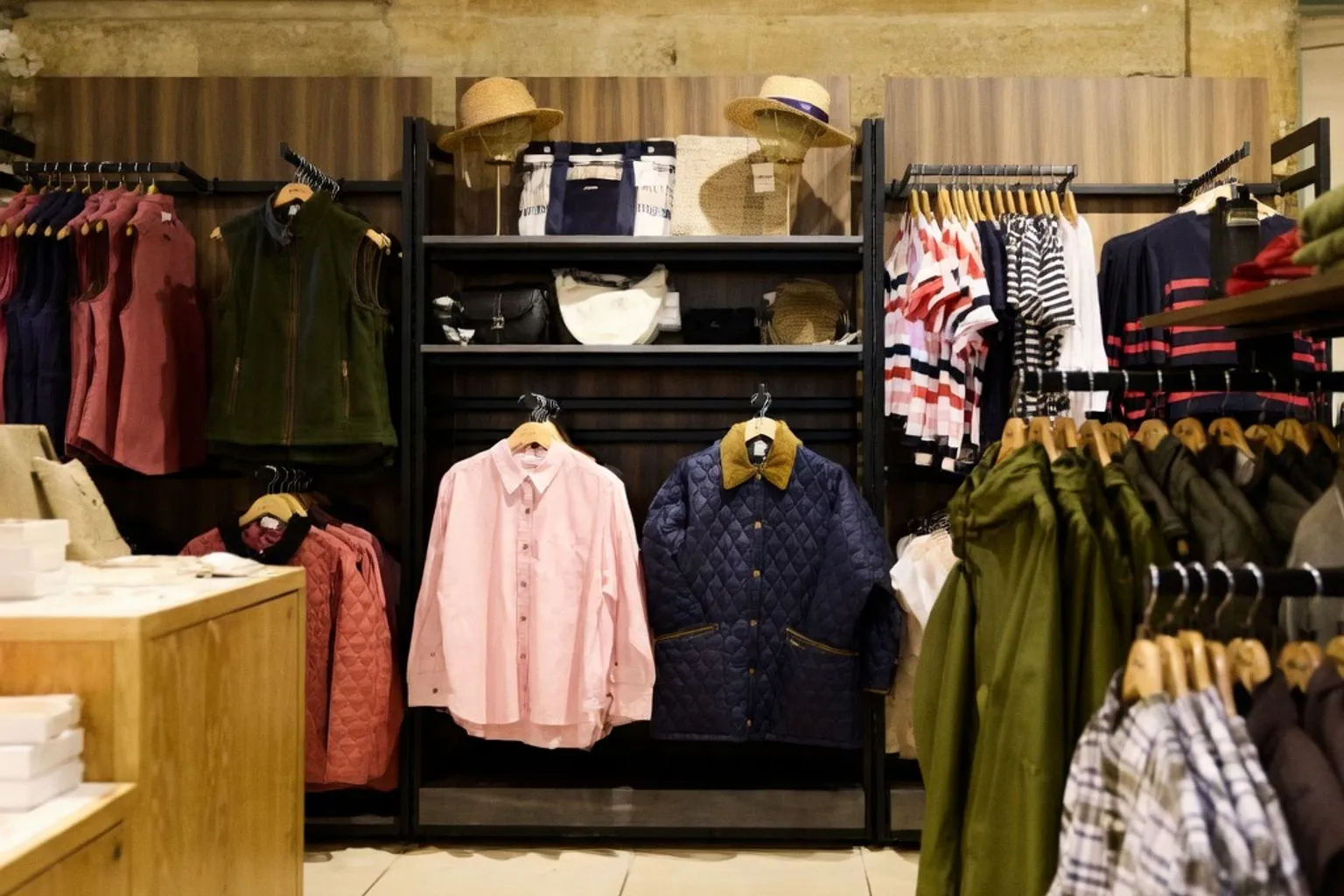
The move signals a growing demand for flexible, long-term fixture solutions that let you refresh your floor layout without ripping out and replacing the entire visual infrastructure.
Keeping the Framework, Changing the Show
The system, called ReFrame, was developed by Ripple and is designed around a simple, powerful idea: retain the core structural framework and simply swap out the merchandising elements. At Blenheim Palace, this created a dedicated Barbour retail space using a three-bay wall display, gondolas, and display tables. Think of it as a permanent, high-quality skeleton that you dress differently for each season or collection. By keeping the fundamental structure, you avoid the waste, cost, and trading downtime of a full refit every time your planogram changes. This directly protects your investment and lets your team adapt the space in hours, not days.
The Anatomy of a Flexible Fixture
So what does "modular" actually mean here for your floor? The system breaks down into four core components: the framework, finishes, modules, and accessories. This translates into a tangible toolkit of shelving, counters, clothing rails, hooks, and even illuminated screens that all interchange. You get the brand consistency of a bespoke layout across a national estate, but with the agility of a pop-up. Reports indicate the entire setup can be installed by a two-person team in a remarkably short timeframe, which is a game-changer for minimizing disruption to your trading day. It moves the visual refresh from a major capital project to a manageable operational task.
The Real Metric: Reduced Disruption, Increased Agility
Let's talk about what this means for your bottom line beyond just fixture costs. Every day your store is half-shut for a refit is a day of lost sales and dampened customer experience. Systems like this target that dead zone. The commercial debut with a heritage brand like Barbour at a premium destination like Blenheim Palace underscores the system's quality and adaptability—it’s not just for fast-fashion volume. For retail strategists, the key takeaway is the shift in mindset: from viewing fixtures as disposable installations to seeing them as adaptable, long-term stage sets. The question to ask your suppliers now isn't "what do you have?" but "how will this adapt with my next five collections?" Start mapping your own product turnover cycles and see where a modular approach could streamline your next seasonal changeover.