How Target’s Latest Floor Reset Redefines Modern Retail Fixture Strategy
As Retail TouchPoints reports, the retailer reworked endcaps and in-aisle displays across those zones, with Fun 101 now carving out dedicated space for wearable technology, Lego, trading cards, and collectibles.
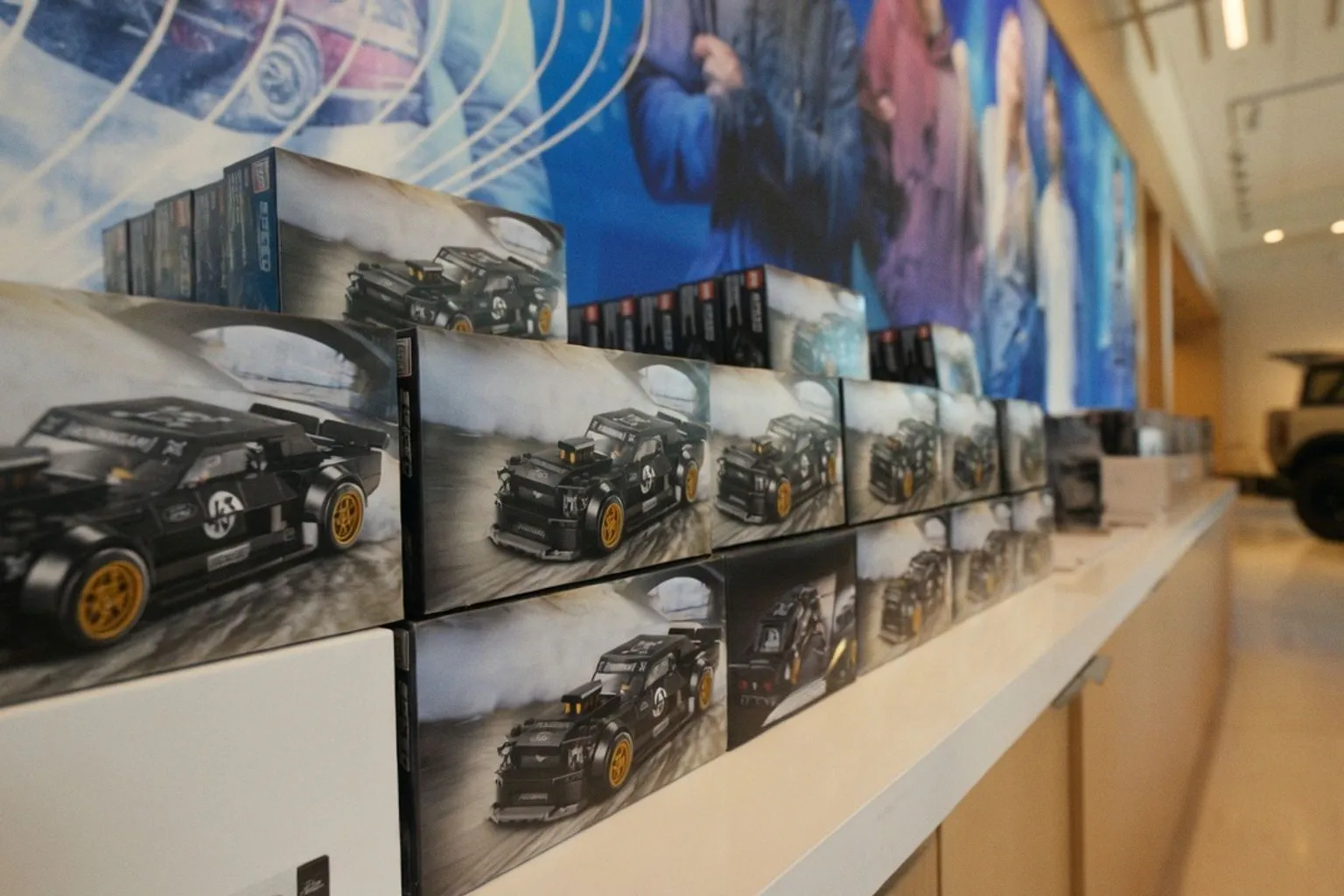
Target just wrapped one of its most aggressive floor resets in recent memory, touching nearly half its center-store grocery presentation while completely reimagining its Fun 101 hardlines experience. As Retail TouchPoints reports, the retailer reworked endcaps and in-aisle displays across those zones, with Fun 101 now carving out dedicated space for wearable technology, Lego, trading cards, and collectibles.
For anyone planning, building, or re-fixturing a large-format store, this is the kind of reset worth dissecting, because it tells us exactly where big-box gravity is shifting and which fixture strategies are winning.
Why the center-store reset matters on the rack
When a chain resets nearly half of its center-store grocery at once, the fixture implications ripple well beyond produce and dry goods. Endcap real estate is getting reallocated, in-aisle displays are being rebuilt, and the sightlines between departments are being redrawn. If you're a merchandising director watching this from the outside, the takeaway is simple: the days of static gondola runs holding the same SKUs for eighteen months are over. Target is treating center-store like a living planogram, rotating emphasis and presentation on a cadence closer to what we used to see only in seasonal aisles.
What I want every store planner watching this to ask is, does your current shelving system flex fast enough to support that? Heavy-duty uprights with adjustable shelving, modular endcap frames, and quick-change sign holders are no longer nice-to-haves. They are the baseline if you want to chase a chain's reset pace without paying for a refit every quarter.
The Fun 101 hardlines pivot
The Fun 101 overhaul is where this story gets really interesting for our corner of the industry. The retailer is leaning harder into wearable tech, Lego, trading cards, and collectibles, and that mix changes everything about how you merchandise the aisle. Collectibles and trading cards demand secure display cases, locked cases for higher-value SKUs, and grab-and-go pegwall or counter units for impulse baskets. Wearable tech needs sightline-friendly presentation, usually at eye level or on a power-integrated demo fixture. And Lego thrives on bulk merchandising, which means denser pack-out, lower shelves for kids' reach, and endcap moments that read like a billboard.
If you are reconfiguring a hardlines zone to chase a similar mix, think in terms of dwell time rather than linear footage. Trading card shoppers linger. Lego builders browse. Tech testers want to touch. Your racking has to invite all three behaviors without forcing them to collide, which usually means zoning the aisle into browse, demo, and checkout-pull zones rather than running one continuous run.
What to watch on your own floor
The pattern here is clear even from the outside: large-format retailers are reclaiming center-store and hardlines square footage from pure commodity grocery and putting it into higher-velocity, higher-margin, experience-driven categories. For your store, the practical move is to audit your own dead zones this week. Walk the aisles during a moderate-traffic hour, count the seconds a shopper pauses at each fixture, and flag any run where dwell time flatlines. Those are your reset candidates.
Before your next planogram meeting, pressure-test three things on your display hardware. Can your endcap frames accept new header signs without a service call? Are your in-aisle displays lockable enough to protect trading card and collectible inventory? And do your sightlines from the main aisle actually put the highest-margin, highest-velocity SKUs in the first three feet of customer eye contact? If the answer to any of those is no, you have your next fixture project, and you have a real-world reason to fund it that the CFO will understand.