How Modular Display Systems Streamline Retail Operations and Protect Brand Assets
A recent FAD Magazine feature is putting modular display framing systems under the microscope — and honestly, the timing could not be better for anyone juggling store refreshes on tight calendars.
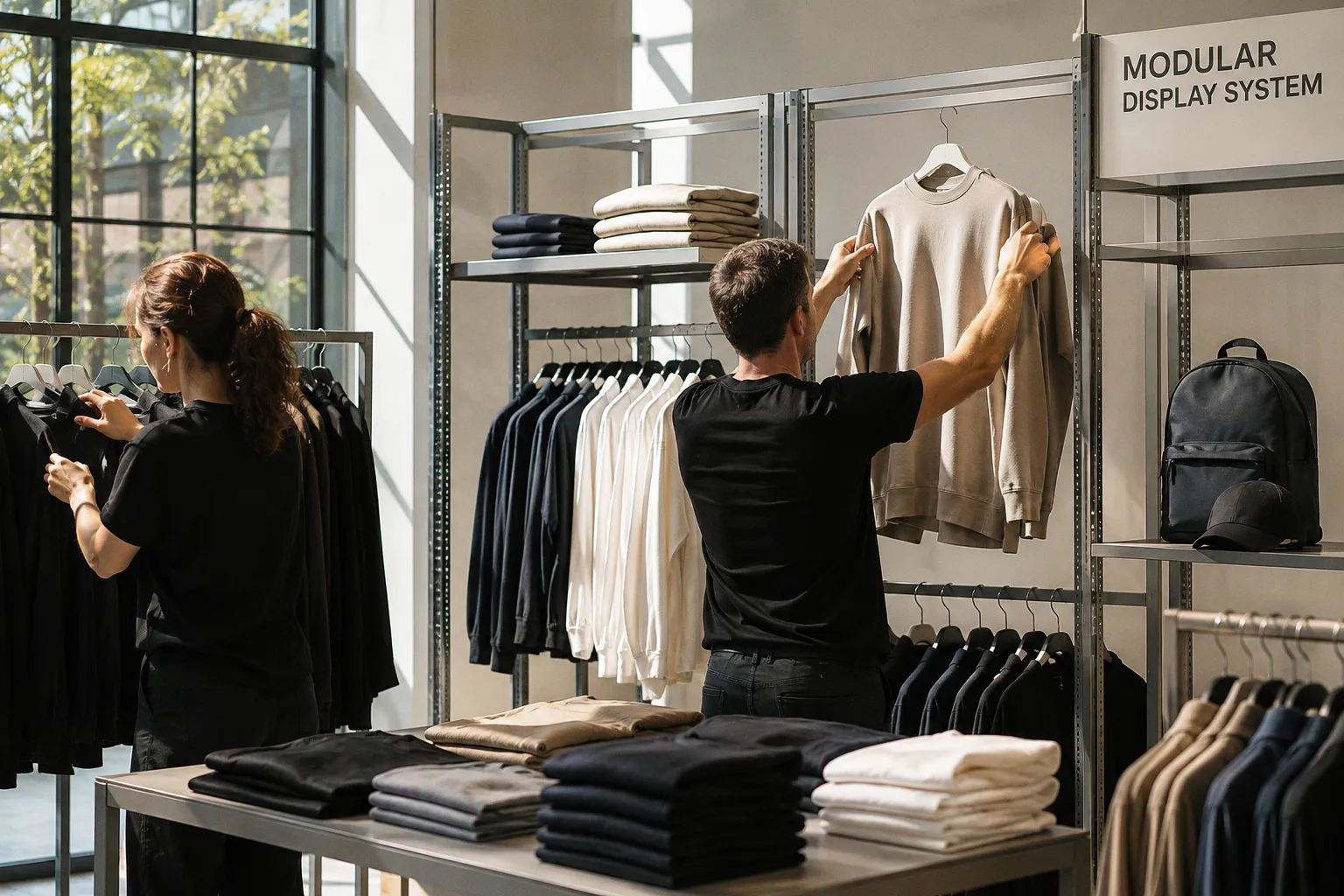
Standardized framing is the unglamorous purchase decision that quietly runs your promotional schedule, and the industry is finally treating it that way.
What Standardized Hardware Actually Buys You
The FAD piece walks through how modular display framing systems perform on both the technical spec sheet and the operating floor. The headline takeaway: standardized display hardware lets retail chains accelerate promotional graphic turnarounds while holding brand visual consistency across every location. In retail terms — you can swap a vinyl banner, a price-rail insert, or a full endcap graphic in hours, and the grid still lines up.
If you have ever walked into a store at 6 a.m. with a roll of new point-of-sale and a mismatched mounting clip, you already know why this matters. The right frame system collapses your reset time, keeps your sightlines clean, and frees your merchandising team to sell instead of improvise.
Where the Law Catches Up to the Planogram
On a parallel track, The Fashion Law recently mapped how trade dress protections extend well past the logo — into product packaging, signature colorways, and, crucially for us, the design and layout of retail stores. Apple's retail store design was cited as a protected asset in that piece, and the same logic reaches proprietary endcap treatments, fixture choreography, and branded sightlines everywhere else. What this means for you: your signature display configurations are not just aesthetic choices. They can be brand assets with real legal weight behind them. Worth flagging to whoever owns your IP file before the next concept refresh goes national.
The Floor Audit Before Your Next Spec
Before you spec new framing — or audit the system you already own — walk the floor for these:
- Modular grid compatibility across locations, so a graphic printed for Store 124 actually fits Store 412 without a trim cut.
- Tool-less or single-tool graphic swaps, because nothing kills a promo turnaround like hunting for an Allen key at the back door.
- Load ratings matched to the heaviest SKU you plan to merchandise on that frame, not the lightest.
- Brand-standard sightline consistency from the entrance threshold to the back wall — that is where dwell time either earns or leaks.
The modular framing conversation is not new, but it is finally getting the technical attention it deserves. For any retailer who has ever lost a weekend to a bad reset, that is good news.