How Inditex Uses Robotic Sorting to Streamline Garment Logistics in Liverpool
According to The Guardian, the Liverpool One store layers a robotic clothes-hanger sorter, fitting-room return hatches and RFID self-checkouts into one tight footprint, a layout decision every…
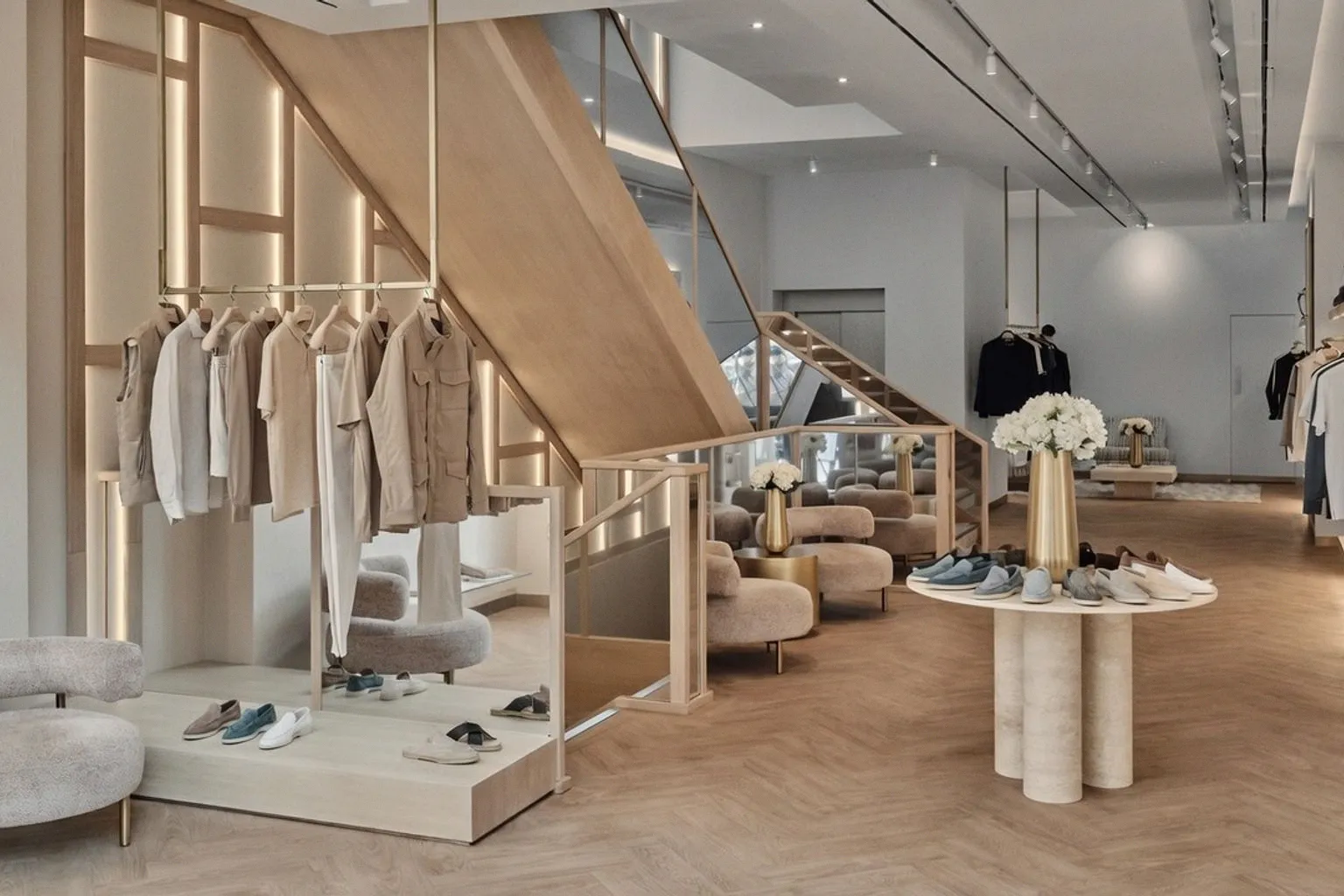
Inditex has rolled out its first UK Lefties flagship in Liverpool, and the headline isn't the price tag — it's the back-of-house machinery quietly rewriting how we move garments from rail to register. According to The Guardian, the Liverpool One store layers a robotic clothes-hanger sorter, fitting-room return hatches and RFID self-checkouts into one tight footprint, a layout decision every multi-floor fashion operator should be studying right now.
The Sorter Behind the Screen
Here's the bit that matters to your floor plan: shoppers drop their hangers into a slot at the till, and a hidden conveyor carries them to two robots tucked behind a screen. Those robots split the hangers into size-coded boxes, which then feed department-specific rails bound for the sales floor or stockroom.
If you're running a high-SKU fast-fashion box, think about what that removes from your operational drag. Hanger returns are one of those invisible labour sinks — they pull staff off the floor, slow replenishment and quietly kill dwell time at the rail. Inditex has already proven the base garment-sorting machine at five UK Zaras; the hanger-specific version is a UK first, and Lefties is the test lab. That's a clear signal that the wider group has decided where the engineering risk sits, and it isn't on the high-street flagship.
Fitting Room Hatches and the Back-Stage Rail
The fitting room carries the same logic. Unwanted pieces go through a hatch, and behind the scenes they meet the same sorting robots before they're re-merged onto the right department rail. Tight loop: try, reject, sort, return to floor.
For our purposes, it's a spatial story. The fitting-room block now needs a service corridor wide enough for the conveyor feed and a screened zone for the robotic cell. If you're retrofitting an existing box, that's a planning constraint most architects miss until late-stage. If you're building from a shell, it's a chance to shrink the back-of-house and reclaim square metres for sellable retail, which is exactly what keeps rent-per-square-foot honest.
RFID self-checkouts scan a whole basket in one pass, which compresses the till queue and lets you run a leaner front-end without losing throughput. Pair that with a thermal clothing range, the first Lefties anywhere to stock it, including bras from £7.99, and the store is deliberately leaning into basic, repeat-purchase categories where dwell time per shopper is low but basket frequency is high.
What to Watch on Your End
Three things to put on the radar before you sketch the next planogram:
- Back-of-house ratio. If robots can shrink the stockroom footprint, your sales-floor percentage climbs. Push your fit-out partner on what's now feasible.
- Hanger flow as a KPI. Track minutes-from-rail-to-rail. The Liverpool model is built around that metric; yours should be too.
- The next two doors. Lakeside in Essex and Metrocentre near Newcastle are the next UK openings this year. Once three stores are live, the layout template becomes a roll-out spec — and the moment to negotiate supplier terms is before that happens.
The chain's general director has said the group isn't targeting a fixed UK store count and will read the first three openings before committing further. That tells you the format is still being tuned, and that's the window where the smartest merchandising teams get a seat at the table.