Scaling Retail Presence: How ZEISS Standardized 700+ Optical Touchpoints
D'Art has rolled out what it's calling a strategic retail execution program across more than 700 ZEISS touchpoints, according to EIN News — a scale move that signals how premium optical brands are…
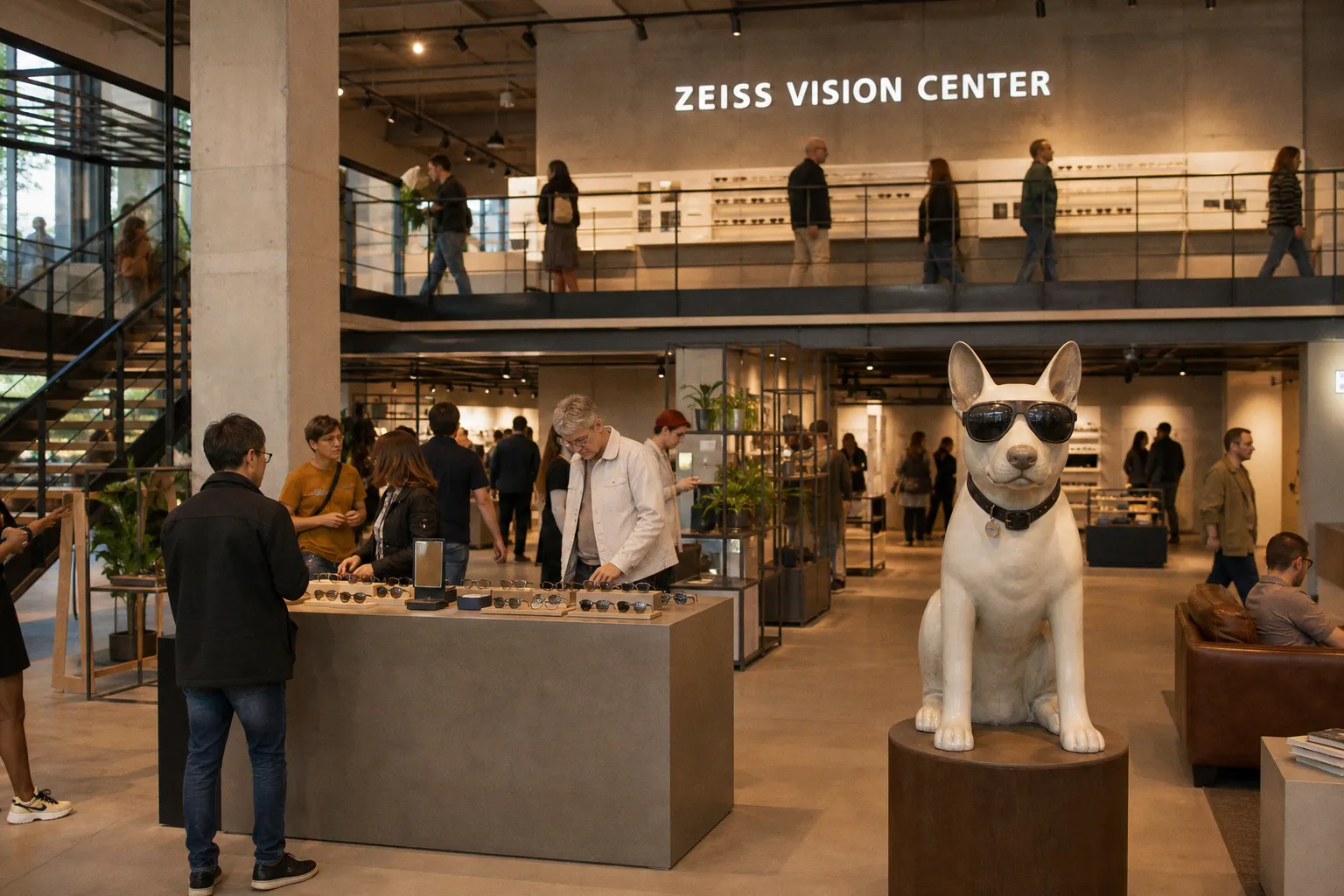
D'Art has rolled out what it's calling a strategic retail execution program across more than 700 ZEISS touchpoints, according to EIN News — a scale move that signals how premium optical brands are rethinking their in-store presence at portfolio level rather than store by store.
When a Brand Says 700, It Means a System, Not a Refresh
Look, we've all walked optical retail floors where the flagship looks like a museum and the franchise down the road looks like a leftover from 2014. That's the exact gap a 700-touchpoint rollout is designed to close, and it's worth pausing on what that actually requires on the ground. You don't hit that number with custom builds at every address — you hit it with a modular display vocabulary that travels: the same endcap logic, the same sightline discipline from the door to the dispensing table, the same product-to-counter height ratio whether the store sits in a Tier-1 mall or a regional high street. For ZEISS, that almost certainly means repeatable fixtures, plug-and-play POSM, and a planogram that can be installed without a bespoke engineering call at each location. The brand is buying consistency, and consistency at this scale only happens when the fixture is doing half the merchandising work for you before the customer even reaches the frame wall.
The Downstream Pressure on Fixture Suppliers
Here's where it gets interesting for anyone in our world — the people specifying commercial display racks and garment-and-accessory storage for premium retail. When a brand standardizes across 700 points of sale, the brief handed to the display partner changes overnight: shorter custom runs, higher SKU density per fixture, and tighter tolerances on materials so the same unit survives 700 installations without warranty drag or field-replacement drama. Watch for category managers quietly asking about modular optical display walls, lockable glass-front cases for premium frames, and integrated try-on mirror configurations — those are the workhorses of a rollout at this scale. If your current vendor can't hold tolerances across a 700-unit production run with consistent finish and predictable lead time, that's the conversation worth having this quarter, not next.
What to Track Next
The execution playbook itself is the real product here, not the announcement. If D'Art publishes the rollout timeline, the fixture spec sheets, or before-and-after dwell-time metrics from the field, grab them — for any of us running optical retail or premium-brand showrooms, the blueprint of a 700-point rollout is worth ten times more than the press release. Ask your display partner how they would spec a 700-unit run tomorrow, and what their tolerance, finish, and packaging story looks like at that volume. Their answer tells you everything about whether they belong on your next vendor shortlist.