Optimizing Retail Fixtures for the Rapid Costume Jewelry Sales Surge
Per an EIN News wire, the costume jewelry segment is tipped for strong growth as fast-fashion cycles collide with digital retail — and if you manage the floor firsthand, that's not abstract.
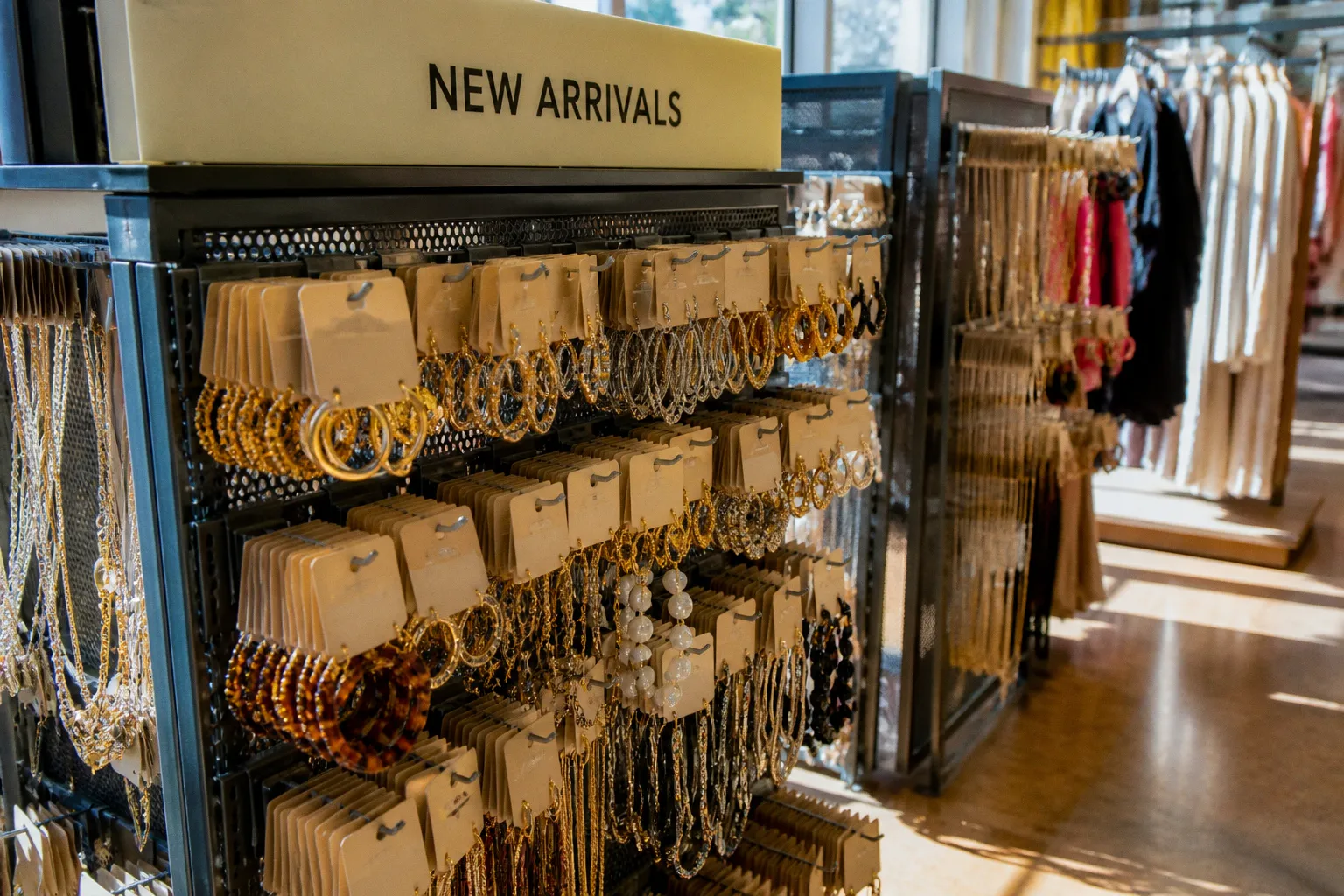
I've spent enough weekends wrestling with bent pegboard hooks in cramped stockrooms to know that a "booming market" headline usually arrives before the hardware does. Per an EIN News wire, the costume jewelry segment is tipped for strong growth as fast-fashion cycles collide with digital retail — and if you manage the floor firsthand, that's not abstract. It's another wave of small-format, high-turnover SKUs landing on fixtures that were never designed for them.
What "strong growth" actually means on the wall
Costume jewelry is the worst-case stress test for any display system. It's tiny, light, wildly varied, and seasonal — often rotating faster than the garments around it. When turnover accelerates and digital channels feed showroom traffic with hyper-trendy pieces, the bottleneck isn't the product; it's the wall behind it.
- Peg density matters. A standard quarter-inch pegboard panel that holds 30 hooks comfortably turns into a tangled mess past 45. Build around modular panels you can swap without re-drilling.
- Tray inserts beat loose bins. Small items in open trays walk. Inserts with finger wells or foam channels cut pickup time and shrinkage.
- Vertical clearance is your friend. When counter depth is fixed, a riser on a slatwall section doubles visible inventory without eating floor footprint.
- Lighting draws the eye before the fixture does. An under-lit small item reads as clutter; a properly angled puck turns the same hook into a hero.
The proof is already in someone else's receipts
The growth narrative isn't hypothetical. Urban Outfitters' Retail segment, per TradingView's coverage of its second-quarter fiscal 2027 results, posted an 8% year-over-year revenue gain to $1.39 billion, with comparable segment sales up 6.2%. Digital comps rose at a high-single-digit pace while store comps climbed mid-single digits. The accessories-heavy Anthropologie banner delivered a 3% comp, driven in part by apparel and accessories — precisely the small-format categories that punish under-spec fixtures. Management is guiding mid-single-digit comparable growth into the third quarter.
Translation for anyone running a tighter footprint: if a multi-brand operator with serious fixture budgets is still pulling traction from accessories, the demand signal is real. Your problem isn't sourcing the product. It's presenting it cleanly enough that a shopper can browse 80 pieces without a meltdown.
Before you order another rack
I've installed enough of these to know the catalog photo never matches the stockroom reality. Run through this before you commit:
- Measure your actual peg-to-peg spacing, not the panel's nominal spec — tolerances stack up fast.
- Confirm hook gauge. Cheap wire hooks bow under a few dozen pairs of earrings; spring steel actually lasts.
- Check slatwall compatibility. Some "universal" hooks are universal to nothing in particular.
- Plan for changeover. If the jewelry assortment swaps monthly, your hardware shouldn't need a drill.
- Leave a spare panel section. Trust me — you will want one at 11 p.m. on a Sunday.
The market can grow all it wants. What I care about is whether your fixtures can absorb the next drop without you rebuilding the wall on a ladder.