Five Decades of Retail Design: Lessons in Fixture Longevity and Store Layout Strategy
According to a recent report from BUCKSCO.Today, Telford Company is celebrating 50 years of designing signs, walls, and fixtures for retail stores across the nation.
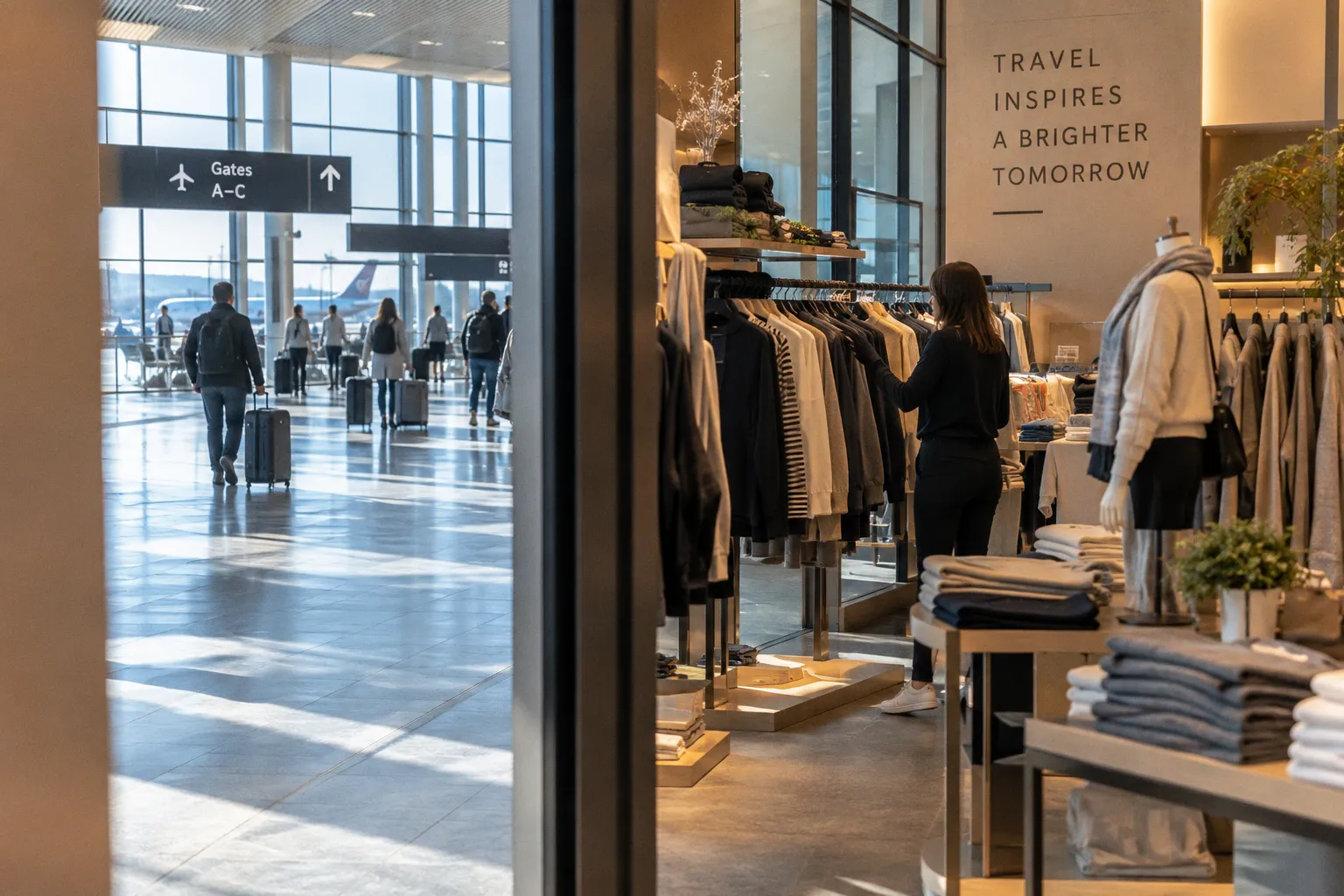
Fifty Years of Fixtures: What a Half-Century Sign and Display Maker Teaches Us About Store Staying Power
That's five decades of helping retailers turn bare square footage into branded selling environments — from the first endcap a shopper sees walking in, to the wall systems anchoring a store's visual identity. For anyone managing physical retail footprints today, this milestone is worth pausing over, because it raises the question we all face on the floor: what makes a fixture program survive, let alone thrive, for half a century?
The Fixture as Strategy, Not Decoration
We talk a lot about planograms, SKU density, and dwell time, but the underlying infrastructure — the walls, the signage rails, the modular display systems — is what makes all of that possible. A sign isn't just a label; it's a sightline tool. A wall fixture isn't just shelving; it's the backbone of how a customer navigates a space. Telford Company's reported five-decade run designing these elements nationwide suggests they've figured out something many fixture suppliers struggle with: adaptability. Retail environments shift — formats change, foot traffic patterns evolve, visual merchandising trends rotate — and the companies that survive are the ones whose systems can bend without breaking.
When we audit a store layout and find a dead zone — that low-traffic stretch mid-aisle where product just sits — the fix almost always starts at the infrastructure level. Better sightlines through smarter signage placement. Fixture reconfiguration to pull the eye deeper into the floor. These are spatial solutions, and they're exactly the kind of work that keeps a display company relevant for decades.
Where Physical Meets Digital
The retail conversation isn't happening in a vacuum. Reports from Communications Today highlight how cloud platforms and AI are reshaping digital transformation across the sector, while a recent feature from Passenger Terminal Today showcases Frankfurt Airport's Terminal 3 blending art and retail to reimagine the passenger experience. The thread connecting all of this? Physical environments are being rethought at every scale — from airport concourses to neighborhood stores — and the fixtures, walls, and signage that define those spaces need to carry more weight than ever. They're not just holding product; they're anchoring brand experience in a world where digital and physical retail are increasingly fused.
What This Means on Your Floor
If you're planning a refresh or evaluating your current fixture vendor, a company with 50 years in the business is worth studying — even if you never buy a single wall panel from them. Ask yourself: are your current display systems modular enough to adapt to seasonal resets without a full teardown? Do your signs guide sightlines the way you intend, or are they visual noise? Is your wall system load-rated and configured for the SKU mix you actually carry, not the one you had three years ago?
Quick check before your next reset:
- Walk your floor as a customer — where do your eyes land first? That's your signage doing its job, or failing to.
- Map your dead zones. If dwell time in a section is low, the fixture layout is likely the culprit before the product selection is.
- Verify load capacities on aging wall systems. A 50-year-old fixture philosophy is admirable; 15-year-old hardware with modern stock weights is a liability.
The takeaway from Telford Company's milestone isn't nostalgia — it's a reminder that the bones of your store matter. Fixtures, walls, and signs are the infrastructure layer that everything else sits on top of. Get that right, and the planograms, the promotions, and the customer flow all work harder for you.