Beyond the Gondola: How Tech-Driven Layouts Are Redefining Value Retail
According to Retail Times, that tension is exactly what Lefties is trying to solve with a tech-driven store concept — and the conversation is getting louder, because the approach could set a template…
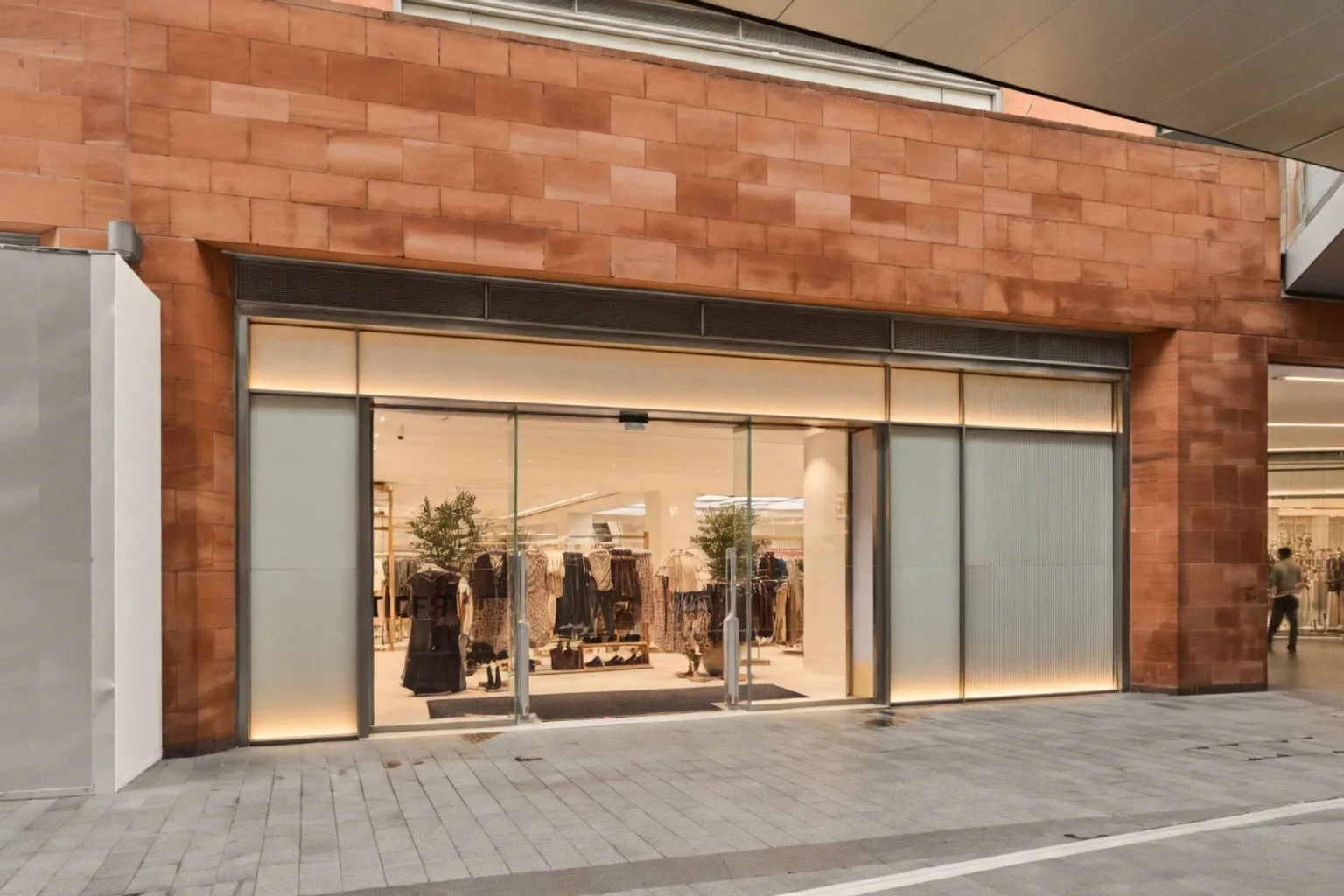
Walk into any value retailer right now and you'll feel the pressure point before you see it: tighter margins, denser SKU counts, and customers who want the experience of a premium shop without paying premium prices. According to Retail Times, that tension is exactly what Lefties is trying to solve with a tech-driven store concept — and the conversation is getting louder, because the approach could set a template for everyone from discount apparel chains to grocery. In our world, that matters deeply: when the fixture layout shifts underneath a new tech layer, the entire planogram conversation changes with it.
What's actually on the floor in value retail right now
Value retail has always lived by two rules — turn inventory fast, and make the shopper do the work. Lefties, per the Retail Times piece, is testing what happens when you layer technology over that discipline rather than just stacking more product on more gondolas. We don't have the full feature yet, but the headline framing tells you the thesis: the brand is treating digital tools as infrastructure for the selling floor, not as a side experiment. Retail Week reports a parallel move from B&M, which has opened a new-model "store of the future" built around redesigned layouts and new technology — proof that this isn't a one-off concept but a category-wide rethink of how discount space earns its rent.
If you've ever watched customers walk past a perfectly stocked endcap without stopping, you already understand why this shift is overdue. The problem isn't the product. The problem is sightlines, dwell time, and the fact that a value shopper is making faster decisions in a denser field. Tech-led layouts — think dynamic wayfinding, digital shelf edges, sensor-driven planogram swaps — attack that exact friction point. The fixture is still doing the heavy lifting, but it's now responding to where the customer actually pauses instead of where the merchandiser hoped they would.
What this means for your floor
Here's where you bring it home, because a "store of the future" headline is useless unless it changes what you do on Monday. First, audit your sightlines the way a tech-led layout would: stand at the entry and trace where a customer's eye lands in the first three seconds, then again at the first turn. If your highest-velocity SKU isn't sitting inside one of those two zones, your planogram is doing the opposite of what a sensor-driven system would do — it's guessing. Second, look at your endcaps as real estate, not decoration. In a Lefties-style model, those caps become dynamic, so ask whether yours are static because of habit or because of constraint. If it's habit, fix it this week.
Third, pressure-test your SKU density against dwell time. Most value retailers pack fixtures because square footage is sacred, but the tech-first approach generally rewards fewer SKUs per bay and faster turn cycles. Run a simple A/B on one aisle: pull the bottom 20% of movers and see whether the top 80% comp up. If they do, you've just proven that density was cannibalizing conversion. That's the KPI to track — units per basket, not units per shelf — and it's the number that any tech-driven layout will ultimately be judged on.
The checklist before you chase the trend
Before you start budgeting for sensors and digital shelf talkers, walk the floor with three questions written down. Where does the customer actually slow down — not where do you want them to slow down? Which fixtures are earning their footprint by sales per square foot, and which are surviving on habit? And if you swapped your top three endcaps tomorrow based on real-time data instead of last quarter's plan, which categories would move? Answer those honestly and you don't need to wait for Lefties' playbook — you'll already be operating in the same direction.
Watch this space closely. When the full Retail Times feature drops, we want to know which specific tech Lefties is leaning on, because the fixture implications — adjustable uprights, modular back panels, power-integrated gondolas — will tell us exactly what to spec into our next retail build-out.