Retail Show Australia 2026: Bridging the Gap Between Store Strategy and Floor Execution
Power Retail has flagged the Retail Show Australia 2026 as a headline where retail strategy meets practical store-level execution — and for anyone responsible for how a physical selling space…
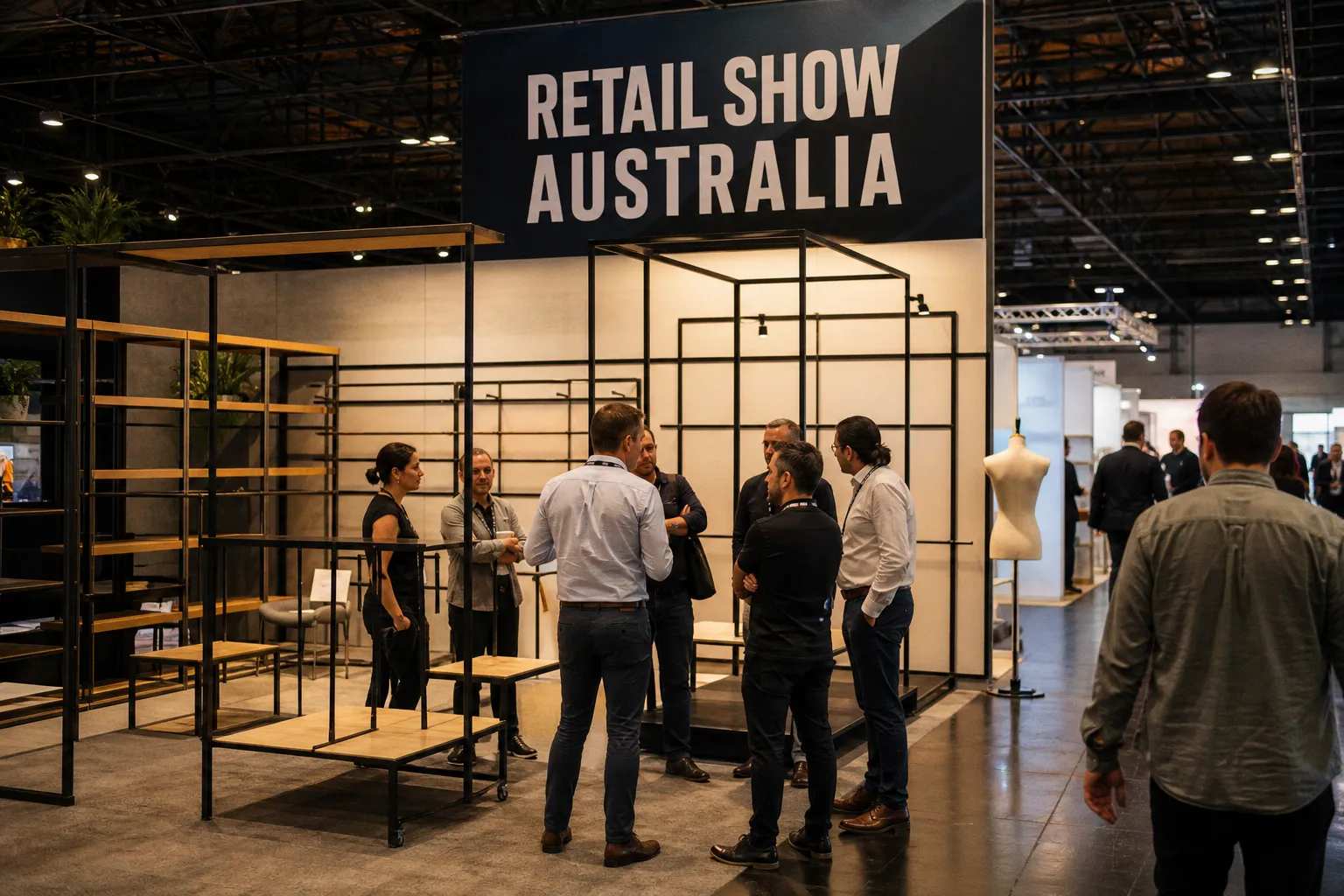
Power Retail has flagged the Retail Show Australia 2026 as a headline where retail strategy meets practical store-level execution — and for anyone responsible for how a physical selling space actually performs, that framing cuts straight to the question we wrestle with every reset season: are we designing floors for spreadsheets or for shoppers?
The Show Lands in a Moment of Store-Transformation Fatigue
The timing matters. According to a recent Bain/VuisionGroup survey cited by Shopify, some 75 percent of executives at top-250 retailers are planning large-scale store transformations within the next two years. That is a staggering wave of investment. Yet the same survey found that 86 percent of previous store-transformations failed to fully meet expectations. You read that right — nearly nine out of ten overhauls underdelivered.
If you have ever walked a freshly relaunched floor only to find dwell time flat and conversion stubbornly unchanged, you already know why. Strategy decks love the big picture; the aisles punish every detail you got wrong at planogram level. An event positioning itself around "practical store-level execution" is acknowledging a gap most conferences gloss over — the space between the vision deck and the gondola that actually moves units.
What This Signals for Display and Fixture Decisions
Shopify's analysis frames the top retailer priorities as improved product availability, sharper pricing and promotions, better customer engagement, and higher staff productivity. Notice how many of those goals depend on the physical infrastructure between your SKU and your customer's hand. Sightlines, endcap loading, the ratio of hanging versus folded presentation on a garment wall — these are not back-room logistics concerns. They are engagement and availability tools.
When the source notes that unified commerce platforms can lower total cost of ownership by 22 percent, the downstream question for us is simpler: which rack systems and display configurations actually let staff execute that unified inventory promise on the floor? If your garment storage cannot flex between a replenishment rush and a styled presentation without a full teardown, no POS integration will save your conversion rate.
What to Watch — and What to Do Before You Book a Flight
The confirmed details on the Retail Show Australia programme are still thin — Power Retail announced the positioning but full exhibitor lists and session tracks have not surfaced in our sources yet. We will update you as the agenda firms up.
In the meantime, here is your pre-show checklist if you are evaluating the trip:
- Audit your dead zones first. Walk your store with a stopwatch and a heat-map mindset. Where do shoppers stall, where do they skip? Bring those zones to the show floor and quiz fixture vendors on real dwell-time data, not brochure promises.
- Demand load-capacity specifics. Any display rack pitched for a retail reset should come with rated shelf loads, castor specifications, and reconfiguration time per bay. If the rep cannot quote them in under thirty seconds, move on.
- Link fixture decisions to your unified-commerce KPI. If your chain is investing in shared inventory visibility, your garment rails and shelving need to support rapid visual audits — not just look good on opening day.
The store is back at the centre of strategy, according to the executives surveyed. Whether the Retail Show Australia 2026 delivers on that promise depends on whether exhibitors bring answers that survive contact with a Saturday morning rush — not just keynote optimism. We will be watching.