Navigating EU Metal Rack Supply Chains Amidst Shifting Trade Tariffs and Market Volatility
According to IndexBox's latest market analysis, EU steel exports to the US plunged 34% after tariffs doubled to 50%, totaling just 1.94 million metric tons.
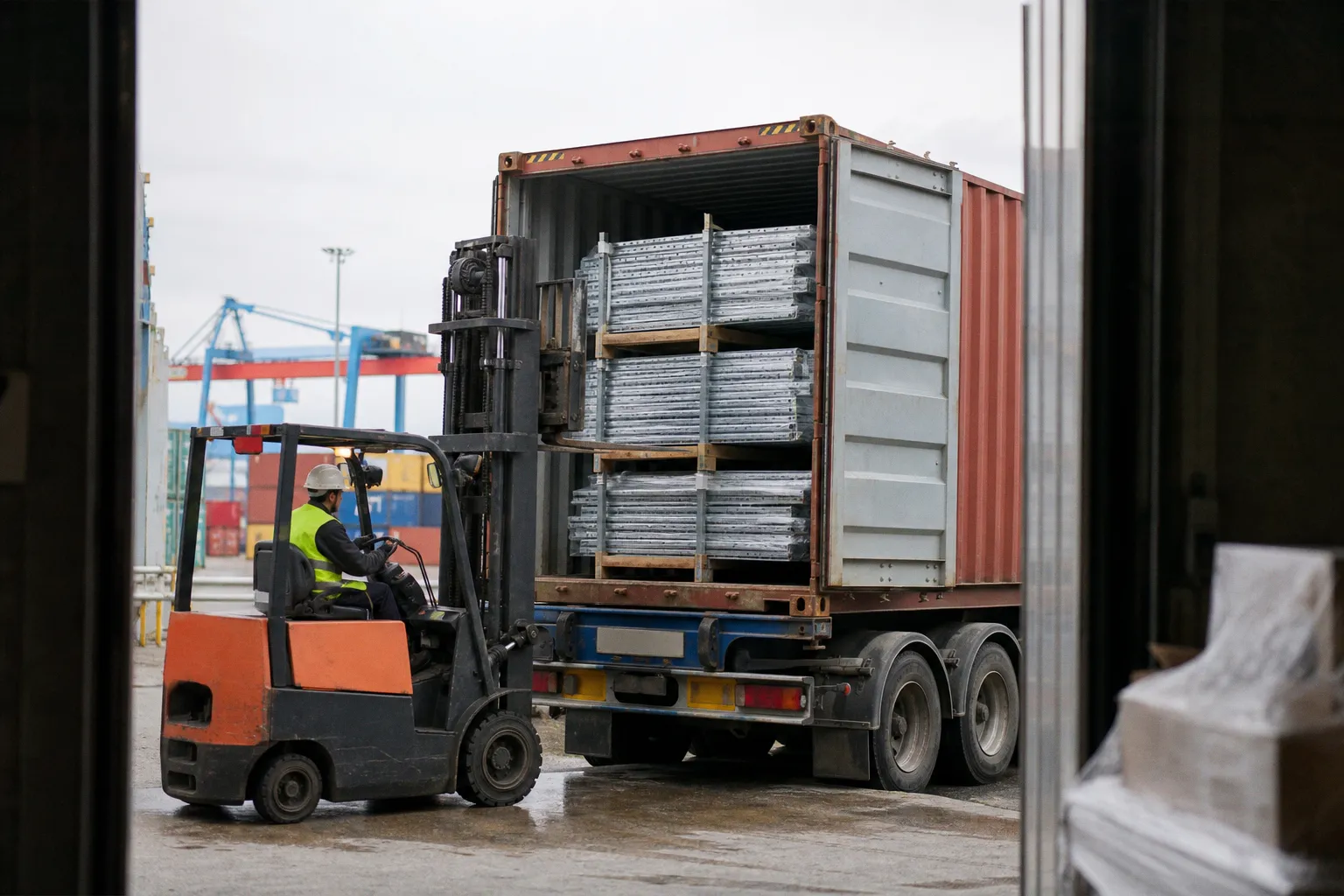
For anyone sourcing metal garment racks or commercial shelving, that's not an abstract trade headline — it's a warning flare about supply chains, lead times, and the next invoice from your distributor. I've watched too many "too good to be true" pricing quotes evaporate the moment a tariff footnote hits the paperwork.
What the numbers actually mean for your floor plan
Steel doesn't care about your boutique's opening date. When exports drop by a third practically overnight, the people who feel it first are the ones ordering welded frames, slotted uprights, and chrome garment bars — not the analysts writing about it from a climate-controlled desk. Eurofer, the European steel industry association, is pushing for full implementation of the July 2025 trade deal to bring barriers down and address chronic overcapacity. Until that moves, expect the squeeze to stay on importers and anyone routing product through US ports.
In plain terms: if your quote from a European rack supplier was valid last quarter, don't assume it survives this one. I always tell clients to lock pricing in writing with a stated validity window — not a handshake — precisely because tariff-driven volatility kills deals mid-shipment.
The overcapacity problem nobody on Instagram mentions
Here's the part that should actually make retailers feel something: overcapacity means mills want to move metal, which sounds like it should mean cheaper racks. It doesn't. Tariffs sit between the mill and your loading dock, and the people who absorb that cost are the importers — who pass it to distributors — who pass it to you, the person bolting brackets to drywall at 11 p.m. before a Monday opening.
If you're planning a seasonal restock or reconfiguring a floor, here's my reality check before you sign anything:
- Ask your supplier where the steel is actually rolled and finished — country of origin matters more than the brand label on the box.
- Confirm whether quotes are FOB, CIF, or DDP, because tariff responsibility shifts dramatically between those terms.
- Get lead times in weeks, not "ASAP" — I've seen delivery windows balloon from four weeks to twelve when a single shipment gets held at customs.
- Watch for "domestic alternative" upsells that may carry the same price as imported goods minus the paperwork headache.
- If you're working under the July 2025 deal structure, document the terms now while the rules are still being implemented — that window won't stay open forever.
The analysts at IndexBox will call this a "trend insight." I call it what it actually is: the same friction I've been navigating between spec sheets and unboxing for years, just wearing a fresh tariff label.