Impact of Continued Antidumping Duties on Chinese Boltless Steel Shelving
Department of Commerce has confirmed, in its final results of the second sunset review published via the Federal Register on July 31, that revoking the antidumping duty order on boltless steel…
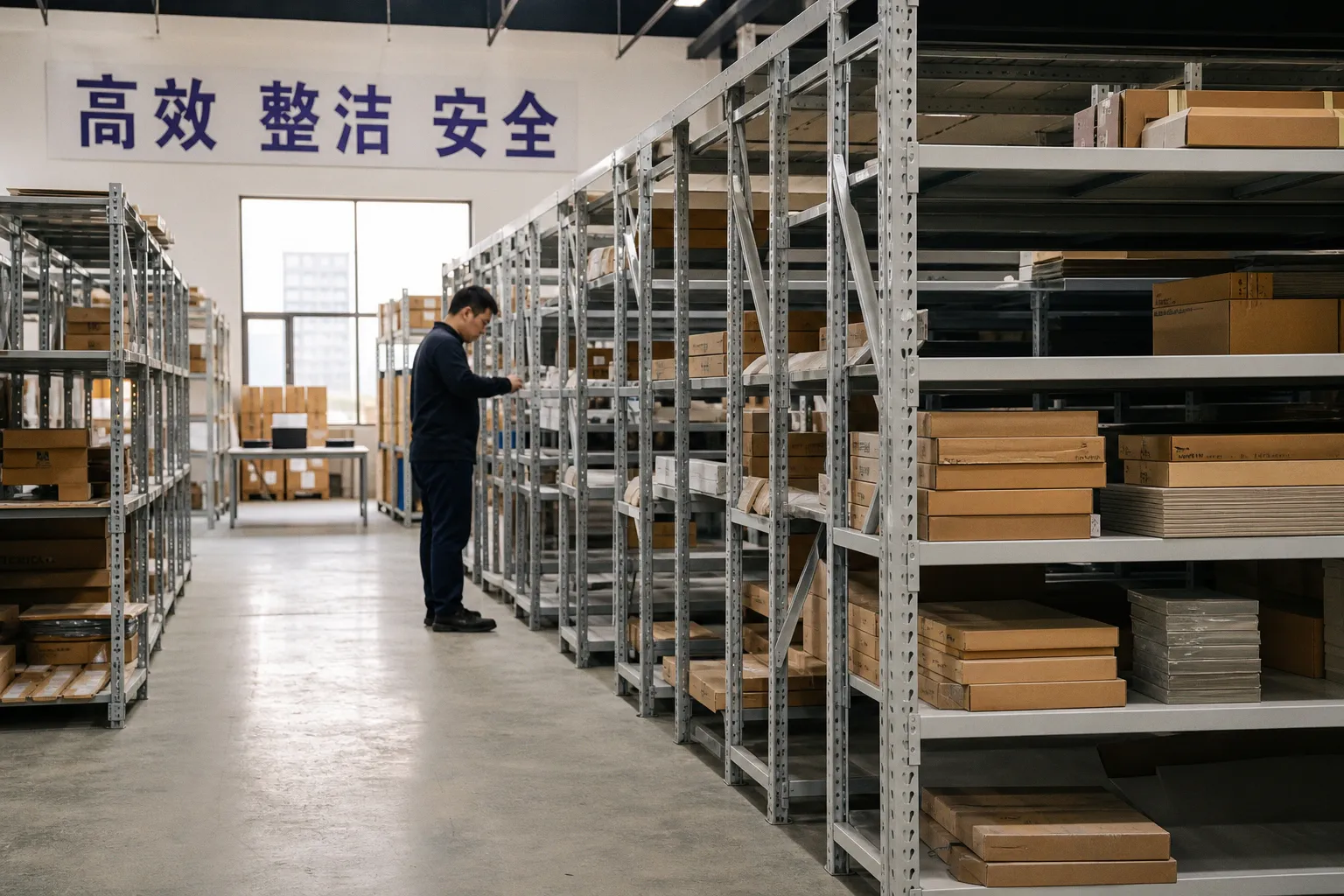
If you're sourcing boltless steel shelving from overseas, here's a development that just landed on your buying desk: the U.S. Department of Commerce has confirmed, in its final results of the second sunset review published via the Federal Register on July 31, that revoking the antidumping duty order on boltless steel shelving units prepackaged for sale from China would likely lead to a continuation or recurrence of dumping. For anyone running a planogram against imported gondola pricing, the practical takeaway is short and direct: those duties aren't going anywhere soon, and your landed cost on Chinese rack stays exactly where it's been. If your store-count expansion model was built around a duty sunset, it's time to re-paper the fixtures line.
What this does to your sourcing math
We talk a lot on this site about sightlines, dwell time, and SKU density, but every one of those layout decisions runs through a single line item — what the shelf actually costs once it's bolted, leveled, and stocked on the floor. With the antidumping duty holding, the price gap between Chinese boltless shelving and domestically produced rack doesn't close the way some buyers were quietly hoping. If your planogram assumed cheap imported endcap and sidecap runs for the next store rollout, refresh those numbers before you sign the PO. And if you were holding expansion plans in the hope that the sunset review would ease budget pressure on capex, that lever just got pulled out of the tool kit — which means the conversation with your CFO about fixture spend gets harder, not easier, and the ROI math on every gondola run now has to defend itself on dwell time and conversion, not on a cheaper unit price.
What to track from here
A sunset review is the moment Commerce re-examines whether foreign producers will dump again if protections lapse. The "likely continuation or recurrence" finding tells you the domestic industry's case held up under scrutiny, and that the playing field for U.S. manufacturers of boltless units stays protected. For buyers on the floor, the watchlist is short and practical: revisit the freight, tariff, and duty assumptions baked into your capex model now — if the import price floor was going to move, this was the vehicle, and it didn't. Pressure domestic suppliers for competitive pricing while the import math stays unfavorable to overseas competitors; if you operate a warehouse or stockroom annex, use this moment to renegotiate volume tiers before the next purchasing cycle; and audit any planogram that quietly assumed duty relief in the per-unit fixture cost. The KPI we lean on in this situation: plan-to-stock turnover on the SKU wall those shelves hold — that's the number that defends fixture spend in front of finance. Dead zones in the back room aren't going to merchandise themselves, and neither is your shelving budget.