Beyond the VR Hype: Why Physical Store Layouts Still Drive Retail Success
Every couple of years retail discovers a new toy. This time it's virtual reality shopping, pitched by openpr.com as a "market revolution" set to "reshape immersive shopping and customer engagement."
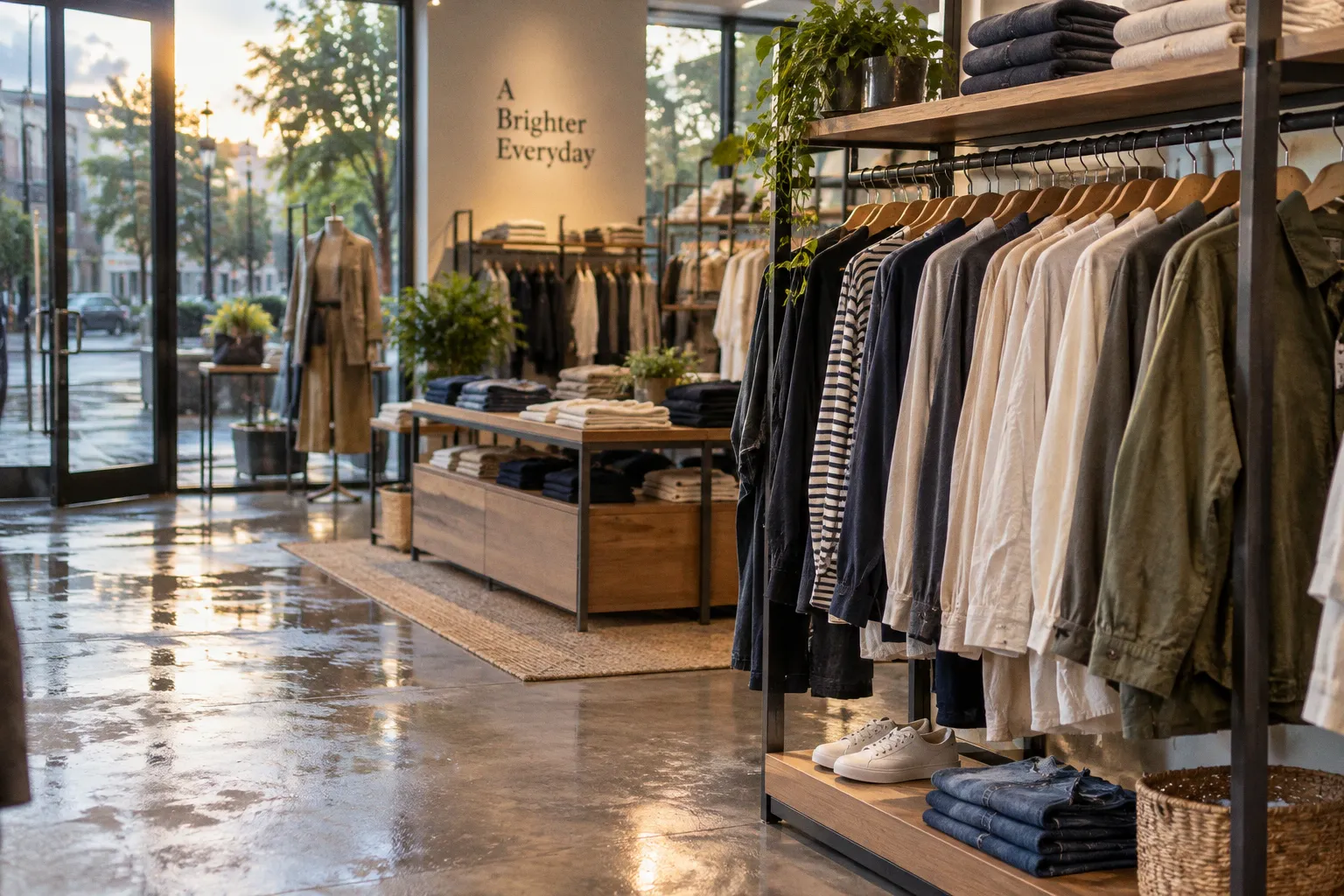
The Headset Won't Fix Your Sightlines
The reality at the rack face looks a lot less glamorous. AL.com reports that customers at a national retail chain are pulling back on spending and openly shopping for workarounds. The Economic Times notes that apparel retail growth is set to moderate to around 13% in FY27 as consumers spread their budgets elsewhere. And retail-insider.com surfaces accessibility as a sales lever — Pamela Shainhouse argues that how easily shoppers can physically reach merchandise shapes loyalty more than most digital flourishes.
Two Stories Pulling in Opposite Directions
The VR pitch and the accessibility argument look like different conversations, but they're really about the same problem from opposite ends of the room. One says: skip the trip, put on a headset, browse from the couch. The other says: stay, but make the store bend toward the shopper — lower sightlines, clearer aisles, fixtures that don't punish anyone in a wheelchair, anyone with a stroller, or anyone over five-foot-ten trying to read a price card.
When revenue softens and growth cools to low double digits, the temptation is to bolt on a gimmick. A VR showroom, a metaverse fitting room, an "immersive" pop-up that disappears after the press cycle. The cheaper, more durable answer lives in the steel — in clearance heights, bracket spacing, slatwall reconfigurability, endcap modularity. Those are the things that decide whether a shopper actually touches the garment, tries it on, and walks to the till.
I say this as someone who has installed enough gondola runs to know that no headset fixes a poorly placed fixture blocking a rack face.
Reality Check Before You Buy the Demo
- VR fittings still need a real mirror, a change-room bench, and a hook for the next size up. Plan the physical footprint first.
- Accessibility retrofits — lower reach ranges, widened fitting rooms, unobstructed turning radii — cost less than a pilot VR program and pay back in repeat visits.
- Modular slatwall and adjustable brackets let you A/B-test merchandising without ripping out fixtures, which is cheaper than any virtual rebuild.
- When apparel growth moderates, the surviving margin lives in labor efficiency and floor yield, not in headset demos.
- If a vendor promises VR will "revolutionize" your store, ask what they're doing about clearance, sightlines, and reach range first. If they can't answer, the headset will be a prop and the fixtures will still be the business.
The headset will get the press release. The bracket spacing gets the sale.