How AI-Driven Commercial Real Estate Trends Are Reshaping Retail Fixtures
A fresh Bloomberg.com report points to artificial intelligence as a quiet catalyst reviving select corners of the commercial real estate market — and if you run a store floor or a warehouse rack…
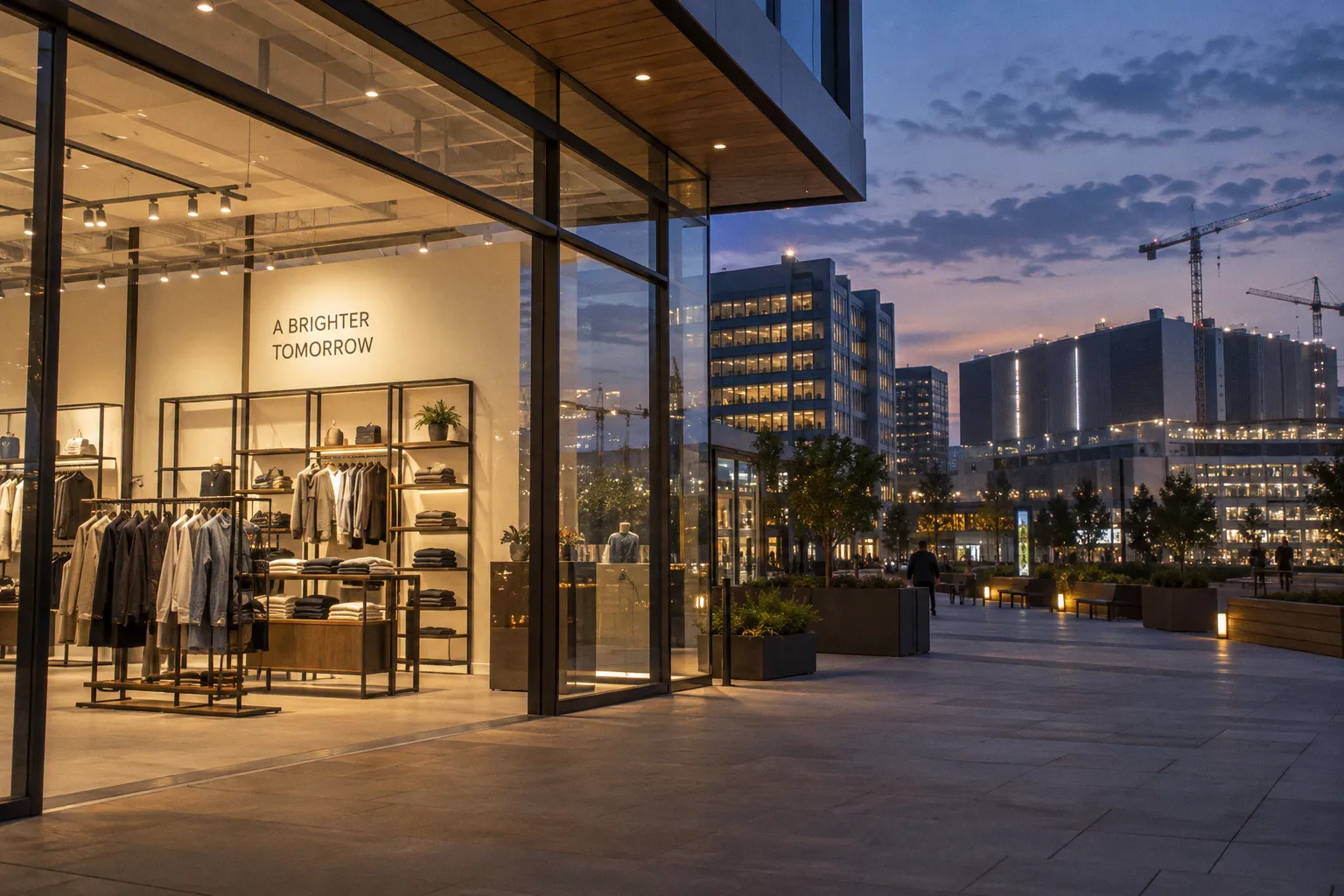
A fresh Bloomberg.com report points to artificial intelligence as a quiet catalyst reviving select corners of the commercial real estate market — and if you run a store floor or a warehouse rack line, that ripple is heading straight at your fixtures.
The piece, filed earlier this month under the headline "AI Is Helping to Revive Some Corners of Commercial Real Estate," sits inside a wider cluster of stories on how physical commercial space is being put back to work. Nearby coverage from Facilitate Magazine looks at rooftop solar as an infrastructure play for the same asset class, and other reports in the same news cycle point to data centers as a mixed driver of demand — boosting commercial real estate while reshaping the housing picture around it. None of these stories spell out what the AI revival means fixture by fixture, but the directional signal is hard to miss.
Where the rack line fits in
Here's where I want you to slow down before you scroll past the headline. "Commercial real estate" isn't only glass towers and logistics sheds — it's your store footprint, your back room, and every gondola run between them. When AI starts pulling capital and tenants back into physical retail space, the knock-on effect lands directly on sightlines, SKU density, dwell time, and the way we set endcaps before a season even kicks off.
If vacant strip-mall bays and big-box shells are being revived, expect landlords and category managers to push back hard on outdated planograms. The retailers who move first — the ones who walk the floor with a tablet showing dwell-time heatmaps and rack-level conversion data — will be the ones signing better lease terms and defending their square footage against the next wave of churn.
Three checks before your next reset
- Pull three weeks of POS by fixture. Before you redraw a single shelf, know what's selling off the endcap versus what's dying in the middle of the bay. AI may be doing the modeling in the headlines, but on your floor the math still starts at the rack level.
- Pressure-test the threshold sightline. Step back twelve feet from the door. If a corner is being "revived," it's because someone decided customers could actually find their way in. Your entry view is doing the same job — make sure the first fixture a shopper meets earns the rent it costs you.
- Audit the back room. The rooftop-solar angle and the data-center coverage both remind us the building envelope is changing fast. If your pallet racking or garment storage is eating more square footage than your selling floor, you've already lost the layout argument before AI ever walks in.
The Bloomberg headline is a signal, not a strategy. Until we see specific deployment numbers for retail — which the available snippets don't give us — treat this as your cue to walk the floor with fresh eyes and ask where the dead zones are hiding. That's where AI-style thinking earns its keep long before any algorithm ever shows up at your loading dock.